CNN live TV incident in Georgia: Derek Van Dam forced off private property during wildfire report
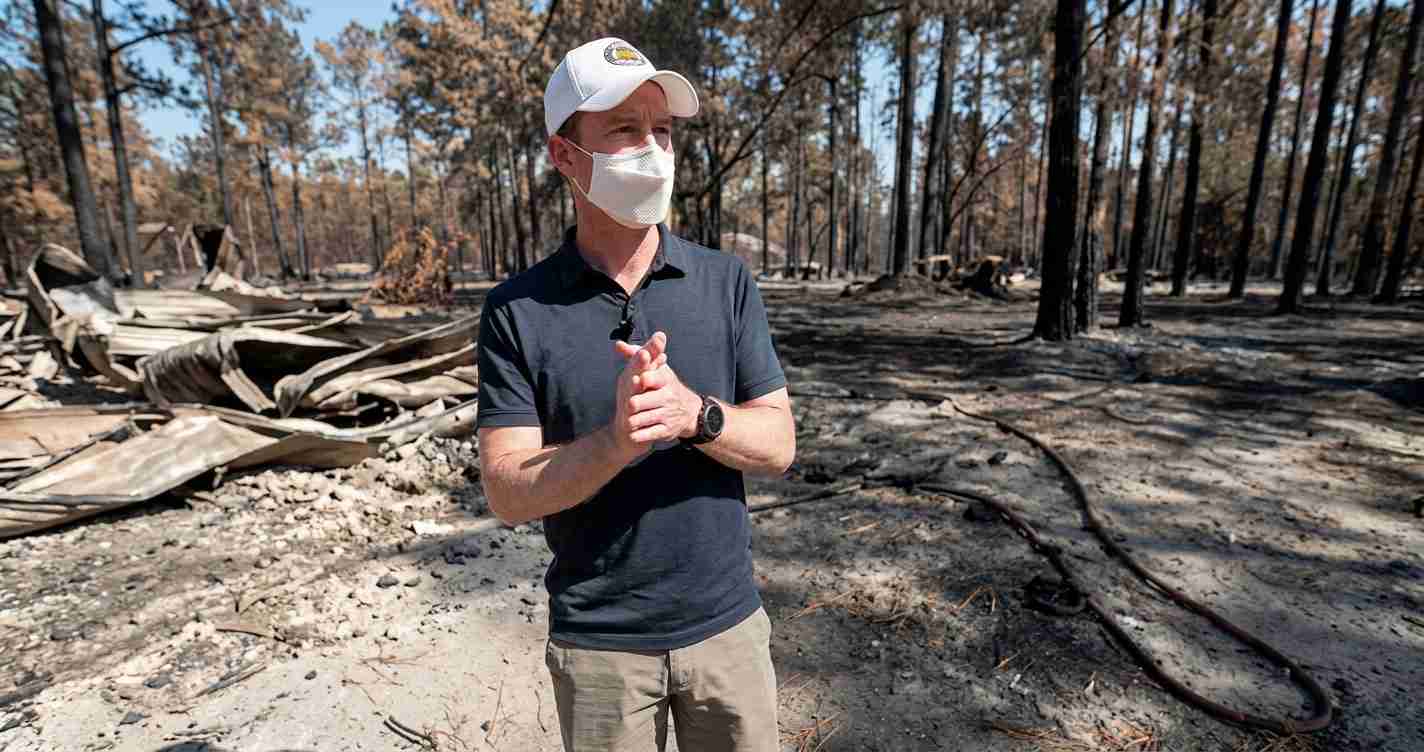
CNN weather anchor Derek Van Dam was forced off private property during a live wildfire report in Brantley County, Georgia, after an upset homeowner demanded reporters leave, highlighting hazards reporters face and tensions in active fire zones.
Key takeaways
- Live report interrupted: A homeowner demanded the crew leave, shouting,
“I don’t want nobody near my house! My dogs are out there. Get away, get away!”
- Reporter de-escalation: Derek Van Dam acknowledged the demand and exited the property, prioritizing safety over continuing the live shot.
- Dangerous conditions: The interruption occurred amid fast-moving wildfires that had burned more than 34,000 acres and destroyed about 87 homes.
- Source coverage: Video and reporting of the confrontation were documented by Mediaite.
Main content
The live interruption: what happened on air
During a live field report, Derek Van Dam was describing wildfire damage and evolving conditions when a homeowner unexpectedly entered the shot and loudly demanded the crew leave her private property. The woman’s voice cut the segment short; she insisted reporters move away because her dogs were outside.
“I don’t want nobody near my house! My dogs are out there. Get away, get away!”
Van Dam immediately acknowledged the demand and worked to de-escalate, saying, “You got it, you got it. We are — okay,”
and, “Yeah, we’re going to leave it here. Okay? You got it.”
The live shot was cut back to the studio, where anchor Pamela Brown reacted, “Let’s hope Derek gets to safety there.” Video and audio of the exchange were posted and reported by Mediaite.
Reporting under hazardous conditions
Van Dam’s live account underscored hazards crews face on the ground. He described fast-shifting winds that brought a strong burning odor, forcing the team to don masks. Crew members reported feeling lightheaded and nauseous — a reminder of the physical risks reporters and first responders encounter when fires change behavior rapidly.
Local officials had ordered mandatory evacuations and imposed a curfew as firefighters battled multiple blazes across drought-parched timber and brush. The combination of dry fuel and gusty winds contributed to volatile fire behavior and complicated containment efforts; official reporting at the time placed the burned area at more than 34,000 acres with about 87 homes destroyed, as cited in coverage by Mediaite.
Why the homeowner may have reacted
Residents in active fire zones often face acute fear for life and property. The homeowner’s forceful demand — citing pets left outside — likely reflected panic and a desire to control who was near her home during an emergency. The presence of cameras can heighten emotions if people feel media attention impedes rescue efforts or creates additional risk.
At the same time, journalists seek to document damage and inform the public. Live reporting serves public safety by communicating evacuation orders and conditions, but broadcasters must weigh the public interest against respect for private property and immediate safety concerns. Van Dam’s decision to leave matched common practice to avoid escalation.
Legal and ethical considerations for reporters on private land
Reporters may cover from public land or private property only with permission. In emergencies, residents may view media presence as intrusive or hazardous. News organizations train crews to request consent before entering private property and to comply if asked to leave.
Ethically, journalists must balance the public’s right to know against homeowners’ rights to privacy and safety. In volatile conditions, de-escalation and withdrawal are often the safest choices for crews and residents.
What the wildfire threat looks like in Georgia
Drought conditions left forests and undergrowth dry, and high winds carried embers and flames across wide areas. By the time of the live broadcast, reporting indicated more than 34,000 acres burned and dozens of homes destroyed. Officials issued mandatory evacuations and curfews to keep residents safe and to allow emergency crews to operate.
The CNN live TV incident and newsroom response
Live television exposes events in real time, including interruptions producers cannot control. CNN cut away from Van Dam’s live shot after the homeowner intervened; studio anchors expressed concern and moved to other coverage. The exchange illustrated the tension between delivering urgent information and respecting on-the-ground realities.
Implications for United States
Economic impact: Large wildfires drive local costs and broader economic effects — insurance claims, reduced timber and property values, and public spending for firefighting and rebuilding. For fiscally minded readers, rising wildfire frequency raises questions about land management, emergency funding, and rebuilding costs.
Political consequences: The episode intersects public safety and property rights. State and local leaders may face pressure to revisit wildfire prevention, evacuation policies, and firefighting funding. Policy discussions may emphasize forest management and infrastructure investments.
Social and cultural effects: Wildfires displace families, disrupt schools and businesses, and create lasting stress. The homeowner’s reaction underscores the fear residents feel and the cultural emphasis on private property and self-reliance. Balancing respect for property with community safety messaging remains a challenge.
Practical applications for residents
- Heed evacuation orders quickly. Officials issue them to save lives.
- Secure pets and family first. If media or responders approach, communicate calmly and clearly about safety needs.
- Know property access rules. State your wishes about journalists or volunteers on private land, but do so safely.
- Prepare an emergency plan. Clear fuel near the house, maintain an evacuation kit, and identify multiple escape routes.
Sources and reporting notes
This article compiles video and reporting of the live interruption and wildfire conditions as covered in available accounts. Key reporting on the live interruption and Van Dam’s on-camera response appeared in Mediaite.
Additional context about live reporting and wildfire risks is based on standard newsroom practices and wildfire management guidance from local emergency agencies and the U.S. Forest Service. For more information on wildfire safety and evacuation best practices, consult local emergency management offices and the U.S. Forest Service.
Reporting compiled for Times Media Service; primary incident coverage referenced from Mediaite.