Iran using AI to craft false narrative of victory over U.S., ex‑CISA official warns
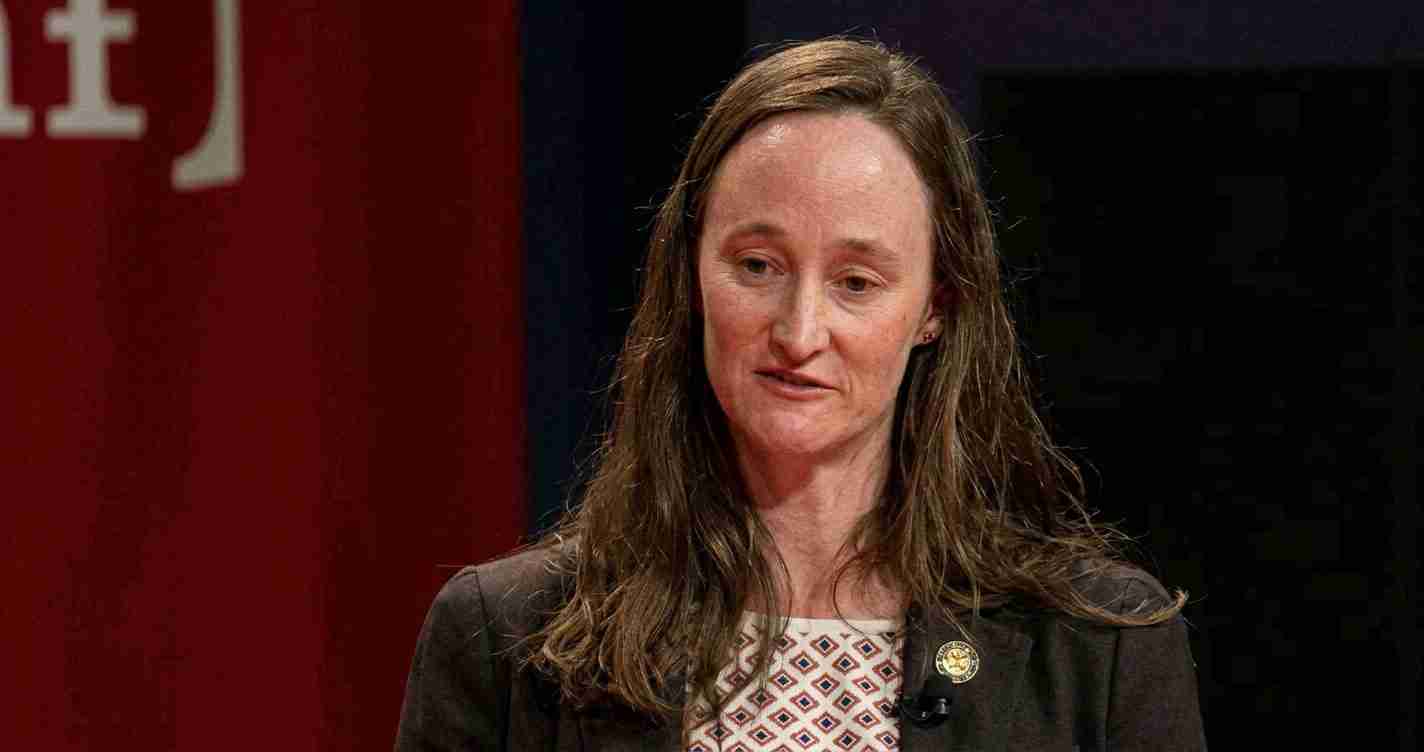
Bridget Bean, former acting CISA director, warns Iran is using AI to craft deceptive images and videos to promote a false narrative of victory over the United States — subtle, hard‑to‑detect manipulations that can mislead casual viewers.
Key takeaways
- Iran is applying subtle AI edits to real photos and footage to create plausible propaganda rather than obvious deepfakes.
- Verification after circulation is common: edited material can spread widely before journalists identify manipulations.
- Public caution advised: Bean urged ordinary users to pause, verify, and avoid sharing dramatic images without credible reporting.
- Primary public source: Bean laid out her concerns on Fox News video.
What Bean said and why it matters
Bridget Bean described to viewers on Fox News video how Iran has adapted its information operations to exploit widely available AI. “They can’t win on the battlefield, so they’re going to try and win through AI and through a global narrative,” Bean said.
She explained that rather than relying on obvious tricks — like badly synced audio or exaggerated facial distortions — state outlets now often apply “just a touch of AI” to authentic photos or footage. That subtlety makes the content pass a casual viewer’s scrutiny while bending the story in Tehran’s favor.
Examples and verification
A public example involved images of Mojtaba Khamenei that state outlets shared after reports he was too injured to appear publicly. Verification journalists, including BBC Verify’s Shayan Sardarizadeh, flagged editing telltale signs after the images circulated; reporting that relayed those findings appeared in outlets such as the New York Post.
The episode shows how state media may combine real content with AI edits to create convincing but misleading material. The primary recorded instance of Bean’s warning is her appearance on Fox News video, which Bean and other experts cite as a public alert about the tactic.
How the manipulation works: a brief explanation
- Real source material: Start with genuine photos or video of officials, events or scenes.
- Subtle AI editing: Apply small AI adjustments — smoothing faces, changing expressions, altering lighting, or syncing audio — so content looks authentic at a glance.
- Rapid distribution: State media and social accounts repost edited content quickly, often before independent verification.
- Public reaction: Scrolling users may miss minor anomalies; a subtle edit can pass the “gut test.”
What officials and experts are saying
Bean’s comments mirror broader concern among U.S. security officials and cybersecurity researchers: adversaries increasingly mix traditional influence techniques with generative AI to produce propaganda, influence campaigns, and convincing deepfakes.
Open‑source verification remains limited in some areas, but journalists and investigators have documented multiple instances where edited imagery circulated widely before verification work identified manipulation.
Practical steps for media, platforms and the public
- Platforms: Increase automated and human review for accounts tied to state media; label or limit suspicious content quickly.
- Newsrooms & fact‑checkers: Use metadata checks, reverse image searches and forensic tools to spot edits and speed verification.
- Agencies & firms: Share technical indicators publicly so journalists and the public can recognize manipulation.
- Individuals: Be skeptical of dramatic claims supported only by images or short videos; pause before sharing and look for reporting from trusted outlets.
Implications for the United States
National security: AI-crafted narratives of victory target domestic and international audiences to erode confidence in U.S. resolve and alliances.
Political consequences: Misleading visuals can rapidly shape public opinion and pressure policymakers to react to perceptions rather than verified intelligence.
Social effects: Repeated exposure to subtle manipulations can erode trust in mainstream media and institutions; casual viewers may not spot a small AI edit while scrolling.
Economic & cultural: Propaganda campaigns can affect markets, amplify polarizing narratives, and challenge shared facts that underpin civic discourse.
What’s missing and next steps for reporters
Public evidence about the full scale and methods of Iran’s AI campaigns is still developing. Bean’s warning (see Fox News video) highlights the threat but relies on expert observation and a few public examples.
Reporters need better access to platform data, more transparency from social media companies about state‑linked accounts, and broader sharing of technical indicators that reveal how images are altered. Media outlets should prioritize verification, platforms must adopt stronger labeling policies, and government agencies should coordinate clearer public guidance on recognizing manipulated content.
Bottom line
Be skeptical, verify, and rely on reputable outlets. A convincing image is not always proof — subtle AI edits can be persuasive and deliberately designed to weaken public will and distort global perception.