BBC director-general Tim Davie and UK news chief resign after edited Trump Jan. 6 footage sparks ethics firestorm
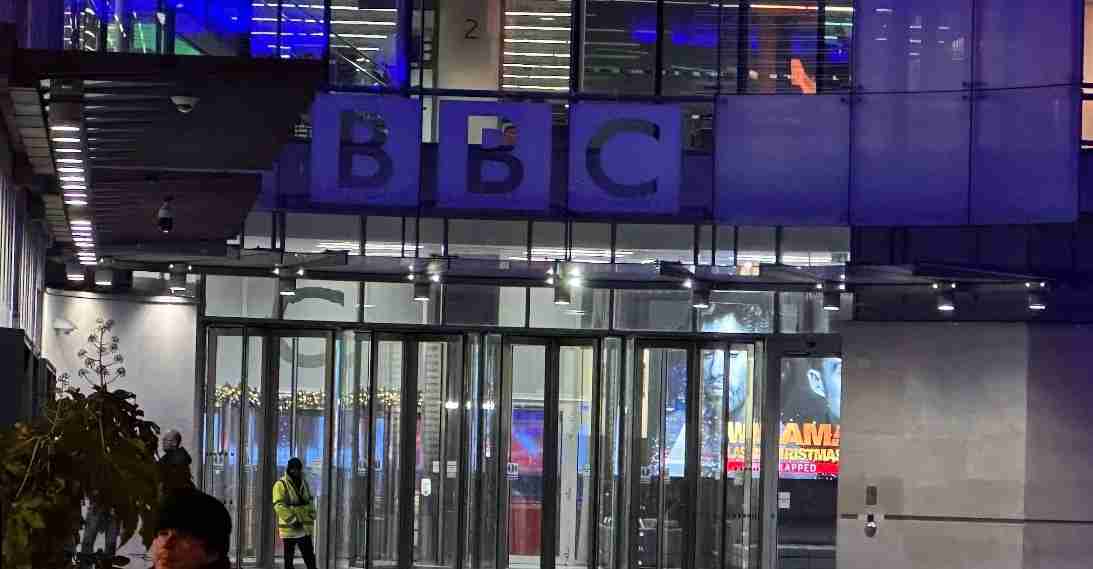
The BBC’s Director‑General Tim Davie and the corporation’s UK news chief resigned after a Panorama episode allegedly presented deceptively edited January 6 footage of Donald Trump, igniting an ethics controversy and renewed scrutiny of editorial standards.
Key takeaways
- BBC’s Panorama program is accused of splicing multiple clips of Trump’s Jan. 6 speech in a way that omitted calls for peaceful protest and amplified language critics say suggested incitement.
- Tim Davie announced his resignation amid sustained criticism over the documentary and the BBC’s handling of the edits and response.
- The BBC’s UK news chief also stepped down, marking a major leadership shake‑up at Britain’s public broadcaster.
- Karoline Leavitt, Trump’s press secretary, denounced the BBC as “100 percent fake news,” amplifying political backlash.
What happened
Investigators and critics say the BBC’s flagship investigative show, Panorama, used multiple clips from Donald Trump’s January 6, 2021 speech and cut them together in a sequence that removed passages urging peaceful protest while keeping or rearranging lines that many viewed as inflammatory.
Those edits, critics argue, created a version of the speech that implied direct incitement to storm the Capitol. The broadcaster’s description of the editorial choices and its initial public response drew immediate backlash from lawmakers, media critics and political figures across the Atlantic.
Resignations and leadership fallout
Tim Davie’s resignation followed intense scrutiny over the episode and questions about newsroom transparency. The BBC’s UK news chief also resigned in the wake of the controversy, signaling swift leadership changes as the broadcaster sought to restore public trust.
“The departures underline the political and reputational stakes for public broadcasters when dealing with footage of historic and violent events.”
Reactions from Washington and media critics
In the United States, allies of the former president seized on the controversy as evidence of mainstream media bias. Karoline Leavitt publicly called the BBC “100 percent fake news,” while media scholars used the incident to stress that editing must not change a speaker’s basic meaning.
Observers across the spectrum pressed for clearer labeling when producers splice clips and for stronger transparency about editorial decisions that could alter public understanding of events involving violence or democracy.
BBC response and internal review
The BBC faced internal and external calls for accountability, launching reviews of the Panorama episode and newsroom procedures. The leadership departures were framed as steps to restore confidence and reinforce editorial safeguards under the broadcaster’s royal charter and impartiality rules.
Public‑broadcasting experts say the episode could prompt new guidelines on sourcing, editing, and labeling material that has been altered for narrative effect.
Journalistic ethics questions
At the heart of the scandal are core questions about honesty in editing: whether montage techniques altered the meaning of Trump’s remarks and whether viewers were misled. Journalism training stresses that edits must not change a speaker’s intent; critics argue the Panorama sequence crossed that line.
Supporters argue investigative programs sometimes assemble footage to show patterns, but even defenders acknowledge the need for clear explanation when clips are reassembled.
How the edits appear to have changed the message
Reporting indicates the episode removed lines where Trump urged peaceful protest and kept or rearranged phrases such as “we fight like hell.” By excising contextual passages about non‑violence, critics say the sequence created the impression of direct instruction to attack the Capitol.
Defenders contend the intent was to illustrate tone and rhetoric rather than to misquote; nonetheless, many viewers found the technique unacceptable for a charged political event.
Political and public trust consequences
Conservative critics view the episode as confirmation of long‑standing claims about media unfairness, while centrists and left‑leaning observers warn that sloppy editing can undermine otherwise credible reporting. Either way, the incident damages trust in a major global news brand at a time when confidence in media institutions is fragile.
Restoring trust will require transparent investigation, clear corrections where appropriate, and demonstrable changes to editorial practice.
Implications for United States
- Political fallout: The scandal will reverberate in US political discourse, giving conservatives material to challenge mainstream coverage.
- Campaign and press strategy: US campaigns may press for access to full unedited material and clearer context when foreign outlets report on American politics.
- Media regulation debate: The episode may add momentum to calls for stronger transparency standards in American newsrooms.
- Public trust and polarization: The story reinforces divisions in how Americans view news sources and may complicate efforts to rebuild media confidence.
- Practical effects on viewers: The case underscores the importance of checking primary sources and seeking full context when consuming edited packages.
What to watch next
US media organizations, political figures and watchdogs will closely monitor any public reports from the BBC’s internal reviews. A detailed account of errors and corrective measures may calm critics; vague explanations will likely deepen skepticism and prolong scrutiny.
Source
Reporting and material cited in this article are based on available coverage and video material: reporting and material cited in this article.