
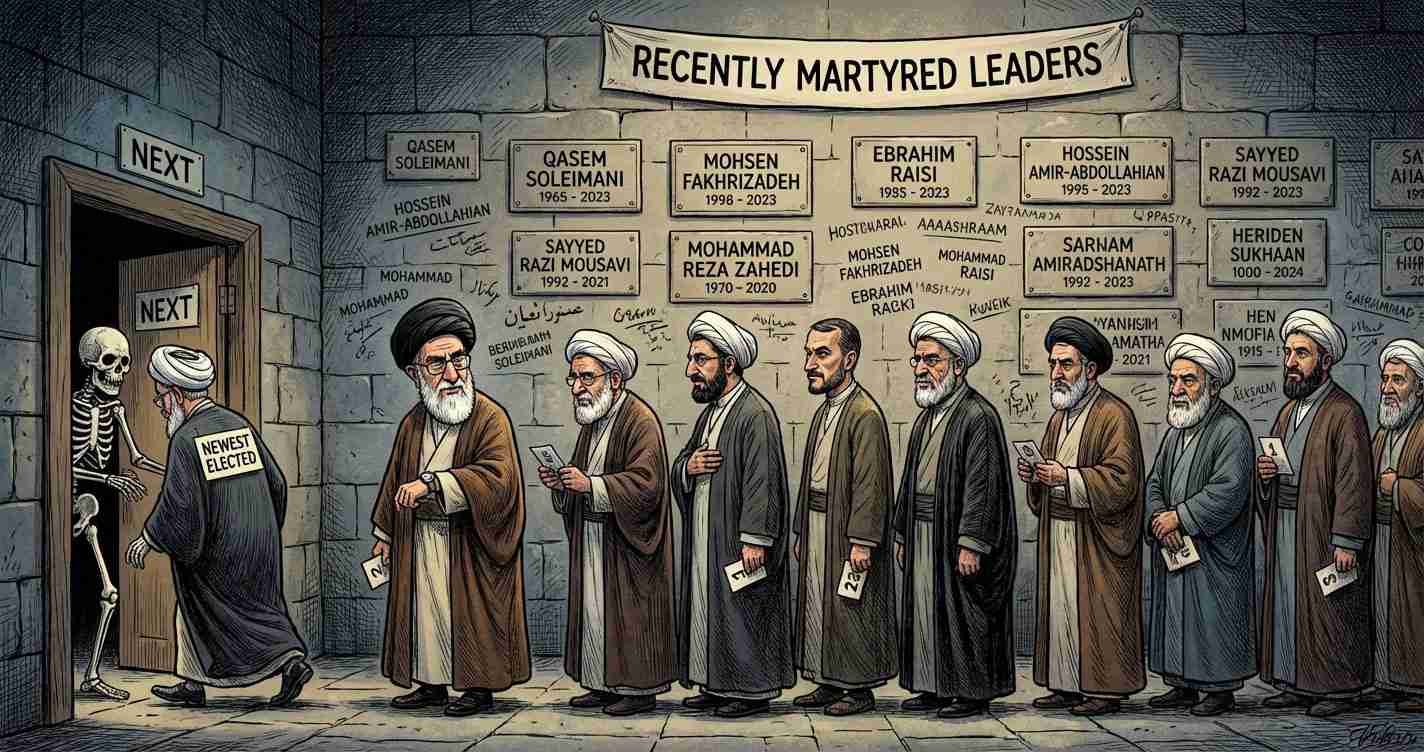
Mojtaba Khamenei Elected Iran’s Supreme Leader as War with Israel and U.S. Rages On
Mojtaba Khamenei was elected Iran’s new supreme leader on March 8, 2026, by the Assembly of Experts amid ongoing Israeli‑U.S. strikes, IRGC pressure and public protests, signaling hardline continuity during an escalating regional conflict now.
- Succession: The Assembly of Experts chose Mojtaba Khamenei on March 8, 2026, after Ayatollah Ali Khamenei’s death during late‑February strikes (Times of Israel liveblog, CBS News live updates).
- Contest and pressure: Reports say the IRGC pressured Assembly members during online sessions to secure Mojtaba’s selection (2026 Iranian Supreme Leader election (background), Iran International report).
- International reaction: U.S. President Donald Trump called the choice “unacceptable” and reiterated a hardline stance; Mojtaba was previously sanctioned by the U.S. Treasury in 2019 (Trump interview (video), sanctions background).
Background: How the succession unfolded
Ali Khamenei’s death activated Iran’s constitutional succession under Article 111, starting with an interim leadership council that included President Masoud Pezeshkian, Chief Justice Gholam‑Hossein Mohseni‑Eje’i and senior clerics who managed state affairs while the Assembly of Experts convened to choose a new supreme leader.
Contenders: Public and private discussions named several candidates: Mojtaba Khamenei, Hassan Khomeini (grandson of Ruhollah Khomeini), senior jurists such as Mohseni‑Eje’i and Alireza Arafi, and others. Former President Ebrahim Raisi had been a leading contender before his death in a 2024 helicopter crash (background).
Reports indicate repeated IRGC contacts with Assembly members — including during online meetings — to press for Mojtaba’s selection, a move critics say undermined the Assembly’s independence (Iran International).
Mojtaba Khamenei: profile of the new leader
Mojtaba Khamenei was born in Mashhad in 1969, is the second‑eldest son of the late Ayatollah Ali Khamenei, and moved with his family to Tehran after the 1979 Islamic Revolution. He graduated from Alavi High School in 1987 and began formal clerical studies in 1989 under his father and Mahmoud Hashemi Shahroudi.
State media and supporters emphasize continuity and religious legitimacy. Critics and many external observers highlight that Mojtaba has never held elected national office; the U.S. Treasury designated him under Executive Order 13867 in 2019 for acting in an official capacity on behalf of the supreme leader (designation summary).
Election amid conflict: Israeli‑U.S. strikes and public reaction
The selection occurred while Iran was under sustained Israeli‑U.S. strikes targeting military and civilian infrastructure, including oil facilities, refineries and desalination plants, according to live reporting (CBS News live updates, Times of Israel liveblog).
State outlets framed the vote as unity. The IRGC publicly pledged “complete obedience” to the new leader, while protests in Tehran included rooftop chants of “Death to Mojtaba” in some neighborhoods — demonstrating deep divides in public sentiment (video coverage).
Reactions abroad and sanctions posture
The United States responded quickly. President Donald Trump criticized the choice, calling Mojtaba “unacceptable” and a “lightweight,” and suggested U.S. involvement would be required in any genuine transition (interview). Mojtaba’s 2019 U.S. sanctions provide legal basis for potential expansion or tightening depending on Iran’s actions (sanctions background).
Other international reactions were cautious; allies and rivals expressed concern about continuity of a hardline clerical leadership during active conflict. Israel’s earlier strikes and cooperation with U.S. forces — which contributed to Ali Khamenei’s death — complicate diplomatic channels and raise prospects for further measures (Times of Israel liveblog, CBS News live updates).
Sources and reporting notes
This article synthesizes reporting and public records, including:
- Times of Israel liveblog
- CBS News live updates
- 2026 Iranian Supreme Leader election background (compilation)
- Iran International reporting
- Video coverage 1 (YouTube), Video coverage 2 (YouTube), Video coverage 3 (YouTube)
Implications for the United States
Military and security
The elevation of a new, relatively untested supreme leader perceived as aligned with hardline factions could grant the IRGC greater latitude in proxy and direct actions. Near‑term risks include increased attacks on U.S. forces, disruptions to shipping in the Persian Gulf, and higher probability of further clashes (CBS News, Times of Israel).
Policy and sanctions
Washington may expand financial and travel sanctions on Iranian leaders and institutions. Mojtaba’s prior U.S. designation gives the Treasury legal authority to target networks further if Iran escalates or rejects diplomatic pathways (sanctions background).
Energy and markets
Ongoing strikes and instability leave oil markets vulnerable to volatility. Disruption of Iranian infrastructure or retaliatory strikes affecting shipping could raise energy prices, influencing U.S. domestic politics and consumer costs.
Alliances and regional posture
U.S.‑Israel security coordination has been tested. Mojtaba’s selection could harden Iran’s posture toward Israel and complicate diplomacy with Gulf partners concerned about escalation; Washington will weigh the balance of coordinated action and alliance management.
Domestic politics and public view
For U.S. audiences, debates will center on assertive action versus restraint. Strong rhetoric from President Trump appeals to those favoring toughness, while concerns about broader war, troop safety and long‑term costs will shape congressional and public debates.
Practical effects for citizens and officials
- Travelers and businesses can expect shifting travel warnings and higher insurance costs for Middle East operations.
- Federal and state officials may pursue contingency planning around energy and defense budgets.
- Lawmakers will face pressure to respond decisively while avoiding prolonged ground involvement.
Summary: The 2026 succession and Mojtaba Khamenei’s selection mark a volatile chapter. How he navigates the war with Israel and the U.S., and how Washington and partners respond, will shape security, economic and political outcomes in the months ahead (Times of Israel, CBS News, election background).



