
Interim President Delcy Rodríguez Says Caracas Prisoner Releases Will Continue, Calling It a “New Political Moment”
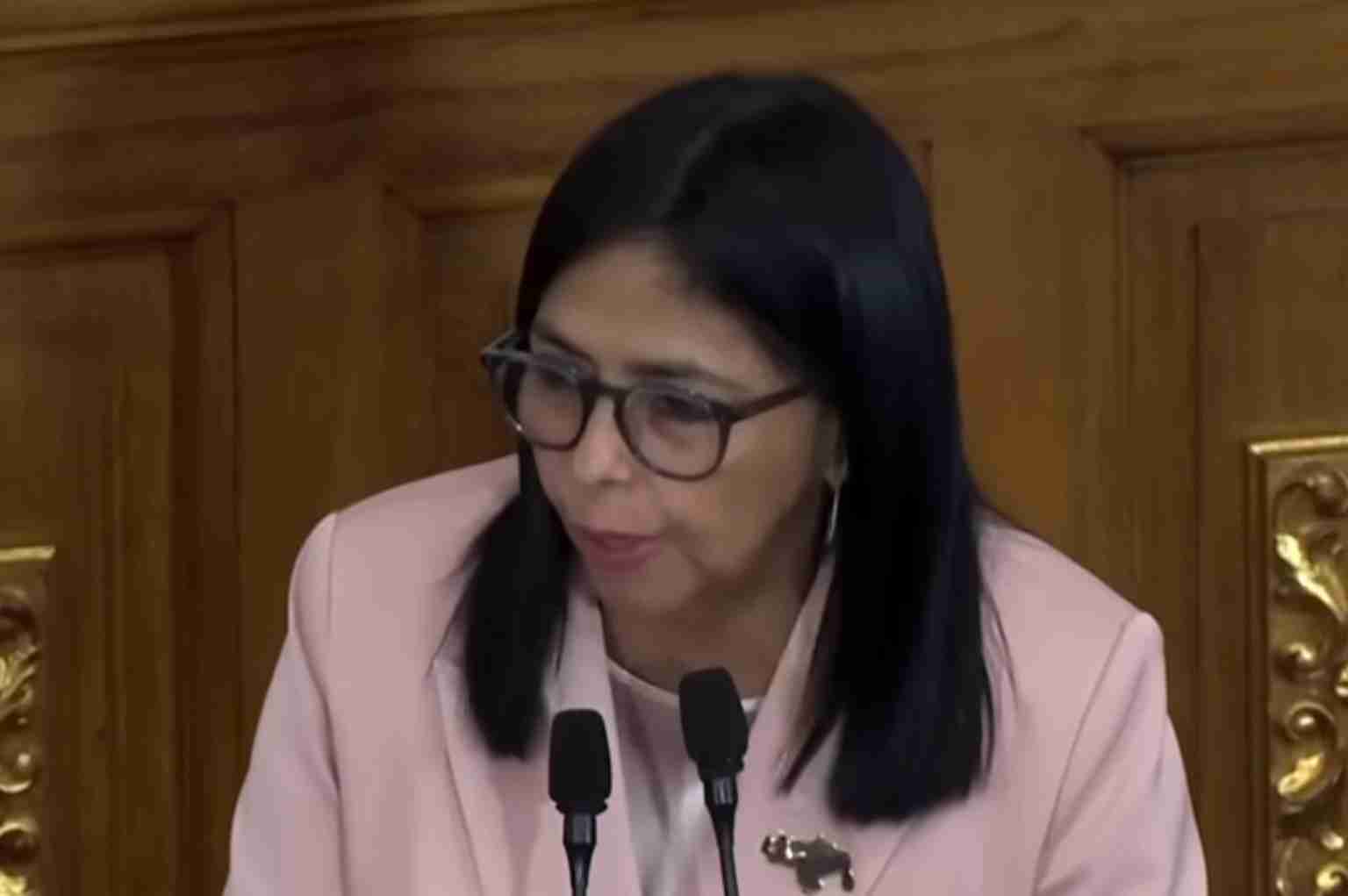
Delcy Rodríguez, serving as interim president after Nicolás Maduro’s ouster, announced on Jan. 14, 2026, that Caracas prisoner releases will continue as part of a “new political moment” aimed at promoting political and ideological diversity.
Key takeaways
- Releases ongoing: Rodríguez said releases of detainees held under the Maduro government “have not yet concluded.” (Fox News)
- Conditions and oversight: Releases will be evaluated for “crimes related to the constitutional order” and barred for those promoting “messages of hatred, intolerance, [and] acts of violence.” Interior Minister Diosdado Cabello is coordinating the process. (Fox News)
- Numbers disputed: Government tallies (hundreds claimed released) differ from independent verifications; Foro Penal and other groups estimate 800 to more than 1,000 remain detained. (El País; Fox News)
- International role: Foreign diplomacy — including U.S. engagement — played a role in some releases, notably at least four U.S. citizens freed prior to Rodríguez’s statement. (International Center for Transitional Justice; Fox News)
What Rodríguez announced and how the government frames it
At her first press briefing as interim president, Delcy Rodríguez described the releases as part of a broader political shift intended to encourage political and ideological diversity and promote national unity after a period of intense division. She stated that the process is subject to legal evaluation: detainees will be screened for “crimes related to the constitutional order” and barred if found responsible for spreading “messages of hatred, intolerance, [and] acts of violence”. (Fox News)
Process and oversight: who is in charge
The interim government says Interior Minister Diosdado Cabello is coordinating the release process and presents the effort as a controlled, legal procedure tied to assessments of offenses against the constitutional order. Officials reported clemencies and grouped releases in the days before Rodríguez’s statement. Human rights groups and relatives demand independent oversight, transparent lists and access for observers to verify that releases are genuine and voluntary. (Fox News; El País)
Numbers, verification and human rights group concerns
Official figures diverge from independent counts. Rodríguez claimed her government had released 212 detainees, while the Ministry of Prison Services reported 116 clemencies tied to acts “disrupting the constitutional order.” Nonprofits verified smaller batches: 24 releases early Jan. 12 (including two Italians and a Spanish‑Venezuelan) and Foro Penal has verified 41 releases, while it still counts more than 800 alleged political prisoners. Other organizations estimate the remaining detainees exceed 1,000, reflecting opaque records and varying definitions of “political prisoner.” (El País; Fox News)
Caracas prisoner releases: who has been freed so far
Releases began last Thursday and continued over the weekend. Those freed include human rights defenders, soldiers and foreign nationals. Notable cases: Rocío San Miguel, a military expert and rights defender, was released after nearly two years in SEBIN’s El Helicoide prison. Nonprofit groups confirmed two Italians and a Spanish‑Venezuelan were allowed to return home. Sources additionally say at least four U.S. citizens were freed days before Rodríguez’s public statement — the first known American releases since Maduro’s ouster. (El País; Fox News; International Center for Transitional Justice)
Conditions on freed prisoners and ongoing concerns
Not all freed detainees have been allowed to speak publicly; some were released with restrictions such as bans on public statements and travel limits. Families protested outside prisons over slow procedures and unclear criteria. Reports of deaths and health emergencies among detainees raise concerns about detention conditions and medical care. Rights groups warn thousands may still face arbitrary detention and call for transparent lists, independent legal reviews and monitoring. (El País)
International diplomacy and U.S. ties
Some releases followed appeals from foreign governments and direct U.S. engagement after Maduro’s removal. Italy coordinated returns for two Italian nationals, and U.S. officials were involved in securing American detainees’ release. Rodríguez denied U.S. pressure, crediting domestic policy changes, while President Donald Trump said he had had a “great conversation” with Rodríguez and that relations were improving. The International Center for Transitional Justice reported U.S. approval for efforts to free certain imprisoned political figures as part of the transition. (El País; Fox News; International Center for Transitional Justice)
Implications for the United States
Economic and security: Freed U.S. citizens ease immediate diplomatic pressures and could open channels for cooperation on security, counter‑narcotics and migration as Washington weighs engagement with Rodríguez’s interim government. (Fox News; International Center for Transitional Justice)
Political consequences: The releases are a test for U.S. policy credibility on human rights. Transparent, verifiable releases could create openings to normalize ties; selective or opaque actions may sustain sanctions and congressional scrutiny. Human rights organizations and lawmakers will press for independent verification. (El País; Fox News)
Practical effects for families: U.S. relatives will continue to press for consular lists, access and case updates; American travelers should heed advisories and expect ongoing consular coordination for repatriations when releases occur. (Fox News)
Ongoing watch points
Key indicators to watch: whether the Rodríguez government publishes public, verifiable lists of released prisoners; whether independent monitors gain access to detention centers; and whether practices labeled arbitrary by rights groups end. The pace and transparency of releases will signal whether the new government is changing course or managing optics. (El País; Fox News)
Sources
- Fox News — reporting on Rodríguez’s remarks and government statements
- El País — verification of releases, Foro Penal figures, and accounts of freed prisoners
- International Center for Transitional Justice — note on U.S. approval of some releases
Reporting from Times Media Service in Caracas and international sources cited above.



