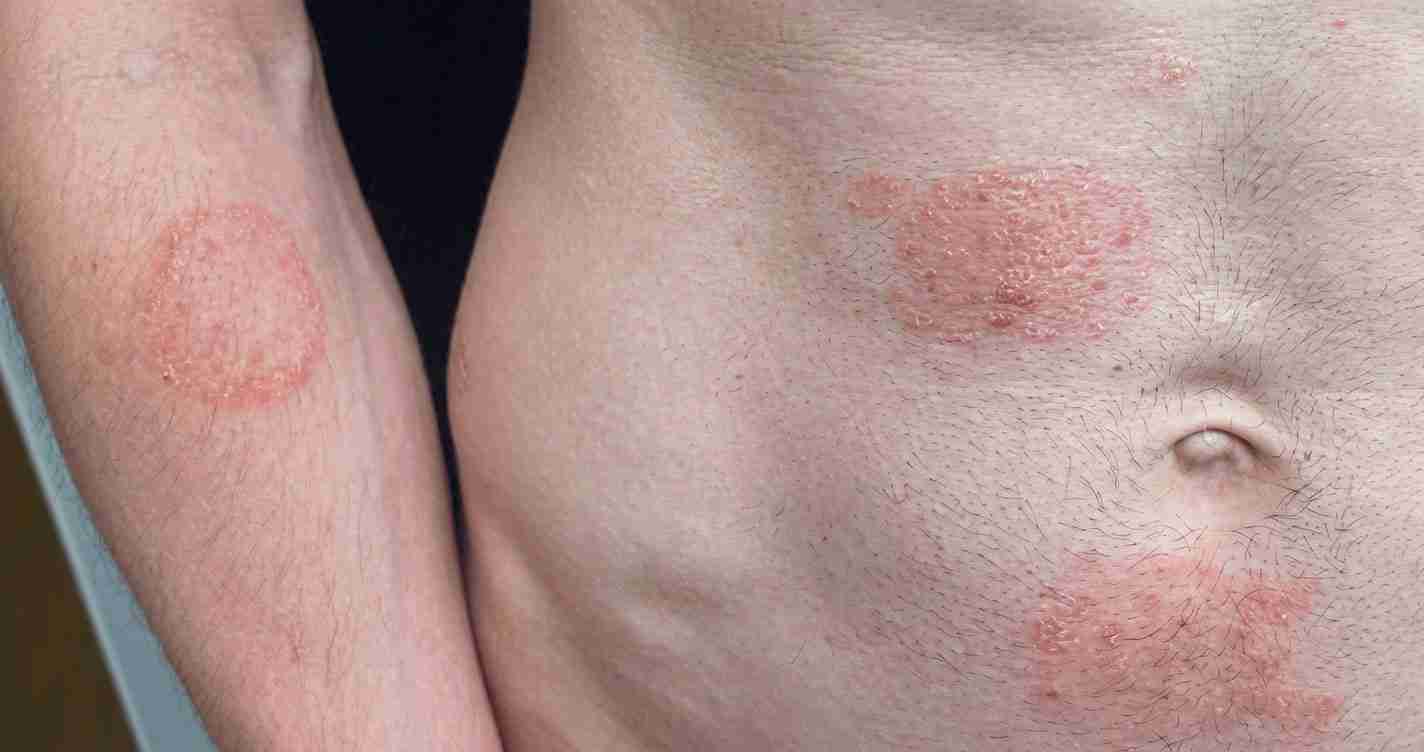
Minnesota reports largest known US outbreak of TMVII — sexually transmitted fungal infection causing persistent ringworm-like rashes
Minnesota is facing the largest known U.S. outbreak of Trichophyton mentagrophytes genotype VII (TMVII), a sexually transmitted fungal skin infection causing persistent ringworm-like rashes; over 30 cases have appeared in the Twin Cities since July 2025.
Key takeaways
- Largest known U.S. cluster: Over 30 confirmed or suspected cases reported in the Twin Cities since July 2025; state health advisory describes enhanced surveillance.
- Sexually transmissible dermatophyte: TMVII is a genotype of Trichophyton mentagrophytes documented to spread during sexual contact and often resists topical creams (report, analysis).
- Treatment and prevention: Oral antifungal pills for weeks to months are typically required; avoid sexual skin-to-skin contact, notify partners, and launder bedding and towels on high heat.
Overview
Dateline: New York, New York (Times Media Service). Minnesota health authorities say this cluster represents the largest known U.S. outbreak of Trichophyton mentagrophytes genotype VII (TMVII). Health officials are urging prompt diagnosis and treatment for this evolving public health concern and have issued an MDH advisory and testing guidance.
What is TMVII and how does it behave?
TMVII is a specific genotype of the dermatophyte Trichophyton mentagrophytes, a species family responsible for ringworm, jock itch and athlete’s foot. Unlike common dermatophyte infections, TMVII has been documented to transmit during sexual contact and frequently does not clear with topical antifungal creams, making oral antifungal therapy the usual treatment approach (CBS report, CIDRAP).
“Symptoms can resemble routine ringworm or jock itch — round, itchy spots that may be mistaken for eczema,” said Dr. Hayden Andrews, an infectious disease specialist at UT Southwestern Medical Center, urging clinicians to consider TMVII when rashes fail to respond to OTC treatments (Fox News).
Size and scope of the outbreak
Minnesota public health authorities report that the first state case was identified in July 2025; as of the MDH advisory there were 13 confirmed and 27 suspected cases concentrated in the Twin Cities metro area — over 30 total suspected or confirmed cases (Fox News summary, MDH advisory).
Health officials call this the largest known U.S. cluster, while noting surveillance limitations: dermatophyte infections are not reportable in every state and genotyping surveillance is limited, complicating national comparisons. The first U.S. TMVII case was identified in New York City in 2024, and the CDC has confirmed cases in multiple cities (coverage, CIDRAP).
Who is at risk and how it spreads
Cases in Minnesota are concentrated among men who have sex with men (MSM) and commercial sex workers, with higher risk among people with prior sexually transmitted infections. Transmission occurs via direct skin-to-skin sexual contact and potentially via contaminated surfaces, linens or shared bathing areas (CBS, KSTP report).
Diagnosis and treatment: when to suspect TMVII
Clinicians should suspect TMVII when patients present with round, red, itchy or painful rashes on the genitals, buttocks, thighs, abdomen, arms, trunk or legs that do not improve after two weeks of over-the-counter topical antifungals. These rashes may be mistaken for eczema or psoriasis.
Diagnostic approach: a clinical exam and sexual/contact history, plus skin scrapings for fungal culture; MDH requests isolates be submitted to the public health laboratory for confirmation and genotyping (Fox News, MDH guidance).
Treatment: Typically requires oral antifungal medication taken for several weeks up to three months. Topical creams alone are often ineffective for TMVII, particularly in genital and buttock areas. Untreated infections can persist, spread, scar, or lead to secondary bacterial infection in immunocompromised persons (news, Fox News).
Public health response and prevention measures
After patients named contacts and reported venues potentially linked to transmission, MDH established enhanced surveillance in February 2026 to identify additional cases and map transmission patterns. The advisory asks clinicians to report suspected cases and emphasizes partner notification and treatment as key control measures (MDH advisory).
Practical advice for individuals: avoid skin-to-skin sexual contact until cleared by treatment, notify recent sexual partners, avoid sharing clothing, towels or bedding, launder linens on high heat, and disinfect bathing areas. MDH has posted guidance on its TMVII webpage (coverage, CIDRAP analysis).
Investigative concerns: surveillance gaps and treatment delays
Experts warn the outbreak highlights gaps in national surveillance for uncommon sexually transmitted pathogens. Because TMVII is not routinely reportable in every state and genotyping is limited, clusters may go unnoticed until multiple patients present for care, delaying response (news, CIDRAP).
Misdiagnosis is a major concern: rashes resembling eczema or psoriasis may be treated with steroids or inappropriate creams that fail to clear TMVII, allowing progression or deeper infection. Health officials urge sexual-health and dermatology clinicians to consider TMVII for persistent, treatment-resistant rashes and to collect diagnostic specimens (Fox News, MDH).
Implications for the United States
Economic: Direct healthcare costs could rise modestly in affected communities as more patients seek clinic visits, lab testing and longer prescription courses; STI clinics may need added resources for testing and partner services. Hospitalization is uncommon, so broad economic disruption is unlikely, though localized strains on sexual-health services could occur (report, KSTP).
Political: The cluster may prompt lawmakers and health officials to revisit reporting rules and surveillance for sexually transmissible dermatophytes; interest in strengthening public health infrastructure since COVID could accelerate targeted funding and access initiatives (CIDRAP).
Social and cultural: Communities at elevated risk — particularly MSM and commercial sex workers — may face stigma. Public messaging that emphasizes facts, prevention and treatment without blame will be essential to encourage care-seeking and partner notification (CBS, local reporting).
Practical applications
For clinicians: Consider TMVII when rashes do not respond to OTC antifungals; collect scrapings, culture isolates, and submit specimens to public health labs per MDH guidance (MDH guidance).
For the public: Avoid sexual contact until treated and cleared, inform recent partners, launder clothing and bedding in hot water, disinfect bathing areas, and seek care early for persistent or worsening rashes. These measures limit spread and speed recovery (news).
Reporting and further information
MDH’s health advisory and testing guidance are available online; clinicians are asked to report suspected cases and submit specimens to the MDH public health laboratory. National partners, including the CDC, are monitoring reports from multiple cities as investigations continue (MDH advisory, press coverage).