
Trump orders ICE agents to U.S. airports to help unpaid TSA officers amid DHS shutdown
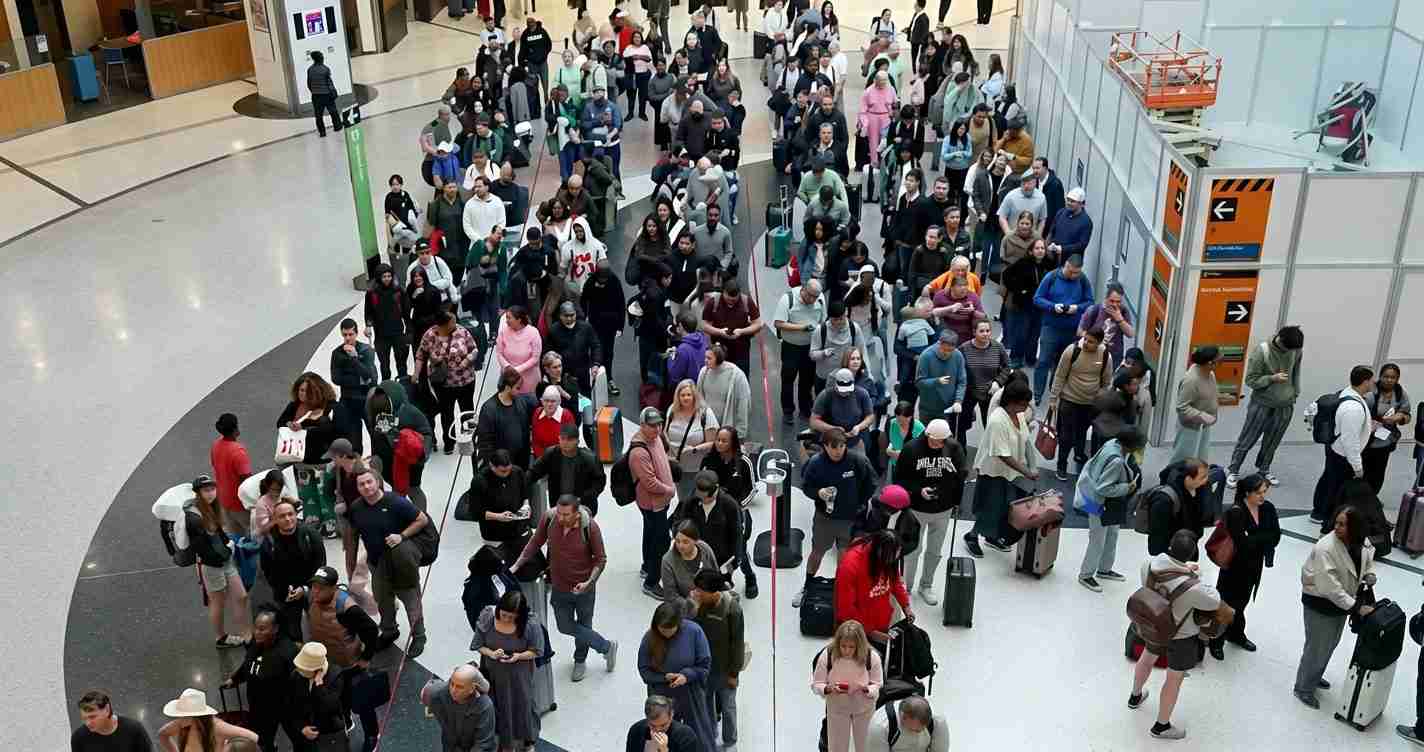
President Donald Trump ordered ICE agents to deploy to U.S. airports starting March 23 to assist unpaid TSA officers and ease long spring‑break lines amid a partial DHS shutdown, a move that has raised security, legal and political concerns.
Key takeaways
- ICE deployment announced: The White House says ICE agents will assist TSA at airports; initial reporting is documented by Axios.
- Operational details sparse: No public rollout plan, agent counts, or airport list has been released by the administration or DHS (Axios).
- Roles limited, officials say: Tom Homan and acting ICE leadership describe non‑technical tasks for ICE so trained TSOs can return to screenings; Homan discussed plans on CNN’s State of the Union.
- Pushback and uncertainty: Unions and lawmakers warned of security and civil‑liberties risks; the move has prompted legal and operational questions (Axios).
Details of the announcement and context
Announcement: President Trump posted that ICE will go to airports “to help our wonderful TSA Agents” after a partial DHS shutdown began in mid‑February. The president framed the deployment as a response to Democrats he said repeatedly blocked DHS funding, tying the standoff to demands for immigration‑policy changes (Axios).
Political impasse: The shutdown grew from negotiations in which Democrats sought policy changes to immigration enforcement as conditions for a funding deal, while Republicans opposed those changes and also resisted funding certain DHS components separately, leaving key staffing and pay issues unresolved.
“We’re simply there to help TSA do their job in areas that don’t need their specialized expertise,” Tom Homan said, adding ICE would not operate X‑ray or bag screening but could free trained TSOs to return to technical tasks (Homan interview).
Operational gaps and staffing pressures
TSA has lost hundreds of officers since February 14, according to agency figures and reporting cited by Axios. Tens of thousands of travelers faced longer waits at major hubs during the spring‑break surge; acting DHS officials said the president is using “every available resource” to relieve lines, but no legal memo or operational directive has been publicly released.
What ICE would and would not do
Senior officials described non‑technical, non‑screening roles for ICE: guarding exits, assisting with ID checks, and crowd control away from X‑ray and advanced screening equipment. Officials emphasized routine immigration enforcement in airports would continue, while noting TSOs receive months of specialized screening training (Axios; video reports).
Reactions from unions, lawmakers and security officials
- Union concerns: The American Federation of Government Employees said placing untrained personnel at checkpoints is risky and could create vulnerabilities; AFGE President Everett Kelley warned the move “creates” potential security gaps (Axios).
- Lawmakers: Sen. Patty Murray (D‑Wash.) warned of potential wrongful detentions or harassment if ICE operates in passenger lines (Axios).
- Airline and crew groups: The Association of Flight Attendants‑CWA accused the administration of creating “chaos” and called ICE’s presence a diversion from resolving staffing and pay issues (Axios).
- Security experts: Former TSA Administrator John Pistole said assistance might be legally permissible but is unwise, warning of missed security threats, demoralized screeners, and potential confrontations that could slow checkpoints (Axios).
Local reporting captured mixed public reaction: some travelers expressed concern about increased immigration enforcement in lines, while others welcomed any relief to long waits (local video reports).
Legal, operational and security uncertainties
Open questions remain:
- Legal authority: DHS components can share resources in emergencies, but the specific legal basis and coordination rules for ICE on domestic checkpoint duties have not been published (Axios).
- Training and accountability: TSA screeners receive months of threat recognition training; critics say ICE lacks equivalent training for improvised threat detection at checkpoints and that accountability protocols for traveler interactions are unclear.
- Risk of confrontation: ICE’s enforcement role could provoke confrontations in passenger lines, undermining traveler confidence or leading to wrongful detentions.
Reporting and planning status
As of the morning of March 23, Tom Homan said he and acting ICE leadership hoped to finalize operational details by the end of the day. The White House directed questions to the president’s social post rather than issuing a formal operational plan; local and national reporting verified the announcement and staffing context but no national directive or airport list was released (Axios; Homan interview).
Sources and on‑the‑record reporting
This story draws on reporting and on‑air interviews documented in the following on‑the‑record sources:
- Axios reporting on the announcement and context.
- Tom Homan’s interview on CNN’s State of the Union.
- Local and network video reports and interviews.
- Additional video coverage and traveler reactions.
Implications for the United States
Economic and travel impacts
Long TSA lines have direct economic costs: delayed flights increase airline expenses, inconvenience travelers, and ripple into business and tourism revenue during peak travel weeks. A successful ICE deployment could limit those effects; a problematic rollout could worsen disruptions.
Security and public safety
The administration frames the step as pragmatic resource use to keep airports moving, but security experts warn that substituting untrained personnel risks missing threats and creating vulnerabilities. Policymakers and airport operators must weigh short‑term relief against long‑term security standards and traveler trust.
Political consequences
The decision escalates the DHS funding standoff: it signals action for voters prioritizing border security while reinforcing Democratic arguments that negotiations must address immigration enforcement policies. The deployment is likely to sharpen partisan debate in upcoming legislative talks and messaging.
Social and community effects
Communities with large immigrant populations may feel heightened anxiety if ICE presence increases at airports; some travelers might avoid certain airports or times, affecting local tourism. Conversely, TSA officers and families may welcome steps that reduce workloads or hasten pay and hiring fixes. Unions and airport authorities will be key to on‑the‑ground management.
Practical implications for travelers
What to expect: Visible federal presence at checkpoints, potential assistance with ID checks and crowd control, and continued uncertainty about where and when agents will be deployed. Passengers should allow extra time, carry proper identification, and follow airline and TSA guidance as the situation evolves.
Reporting note
This article is based on Axios reporting and on‑air and local video coverage cited above. Further developments—formal memos, airport lists, or legal guidance—could materially change how the plan is carried out and its effects on TSA lines and traveler security.



