
DoorDash White House delivery: ‘DoorDash Grandma’ Sharon Simmons hails Trump No Tax on Tips after $11,000 savings
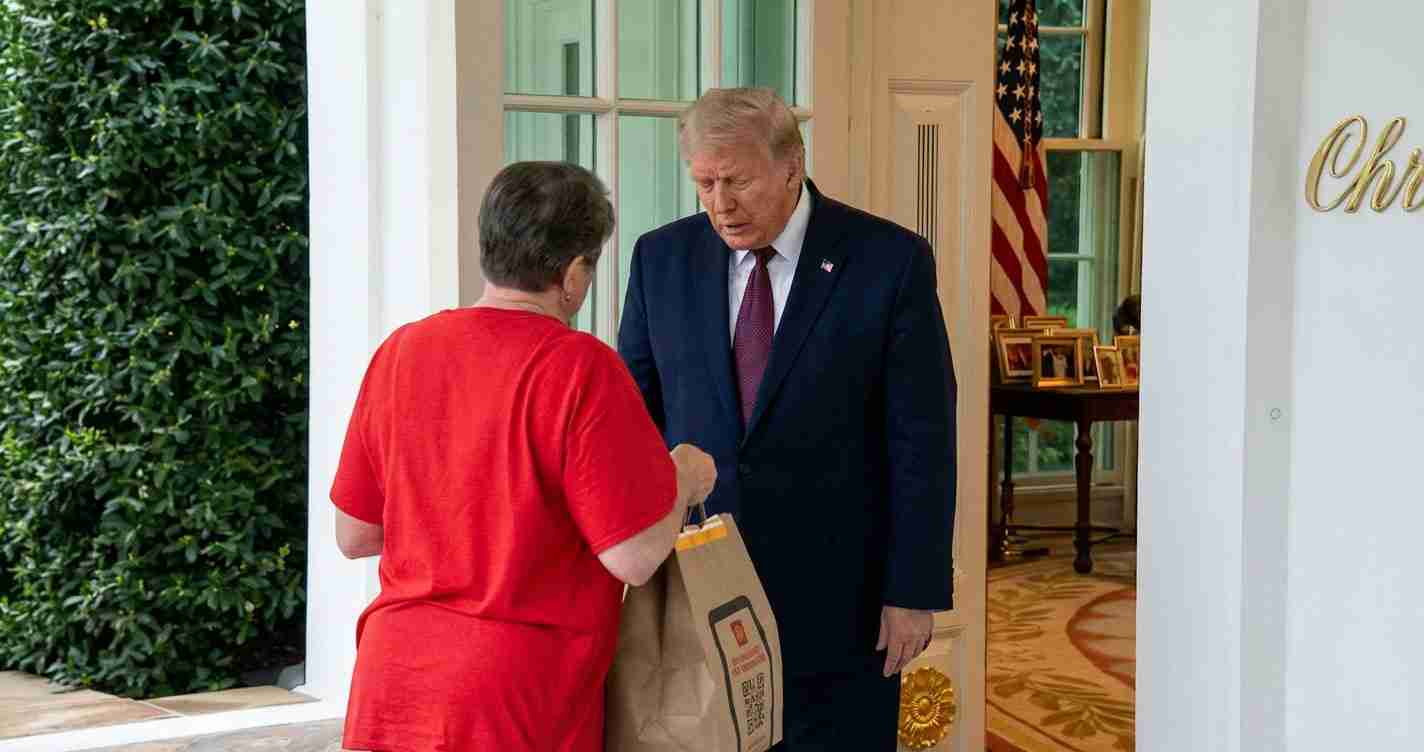
On April 13, 2026, Sharon Simmons — the ‘DoorDash Grandma’ — completed the first DoorDash delivery to the White House, delivering McDonald’s to President Trump and marking the one-year anniversary of the ‘No Tax on Tips’ policy.
- Historic delivery: Arkansas Dasher Sharon Simmons made the first DoorDash White House delivery on April 13, 2026, handing a McDonald’s order to President Trump on the South Lawn — CBS News coverage.
- Personal impact: Simmons says the Trump No Tax on Tips policy saved her about $11,000 last year, boosting annual take-home pay by an estimated $3,000–$4,000 — Fox News Digital interview.
- Policy context: The delivery was staged to promote the One Big Beautiful Bill, which includes the tips provision plus temporary overtime tax relief, a larger senior deduction, and higher child tax credits — coverage by Fox Business.
Delivery, photo-op and what happened on the South Lawn
What occurred: On Monday, Simmons pulled up to the White House grounds carrying McDonald’s cheeseburgers and fries. The brief exchange became a staged photo-op intended to illustrate the human impact of the tips rule. President Trump accepted the food, tipped Simmons from his pocket, and shared the meal with West Wing staff, according to reporting by CBS News.
Interactions and tone: The visit included questions from the president about Simmons’ voting intentions and views on social issues. Accounts vary on tone; some outlets characterized that portion of the encounter as awkward or a misstep — see coverage by The Advocate.
Simmons’ story: from side gig to full-time Dasher
Simmons told reporters she began dashing after the COVID-19 pandemic because the work offered flexibility without an office. She has been a DoorDash driver since about 2022 and has completed thousands of deliveries — DoorDash’s profile noted more than 14,000 deliveries in their account of the visit: DoorDash announcement.
A grandmother of 10, Simmons said the additional take-home pay has been critical while her husband fights cancer. She described the $11,000 total as “very surprising” and “very special” and expects ongoing savings of roughly $3,000–$4,000 a year — details in her Fox News interview.
What the policy does and its timeline
The No Tax on Tips provision was included in the broader One Big Beautiful Bill. The change treats tips differently for tax purposes, allowing many gig workers to keep more of what customers leave. DoorDash estimated the rule saved Dashers hundreds of millions nationwide last year — per the company announcement: DoorDash announcement.
Temporary status: Under current legislative language, the tip tax change is temporary and scheduled to expire in 2028 unless Congress extends or makes it permanent. Simmons said she hopes it lasts beyond that date but will “enjoy it while I’ve got it.” See analysis and interview at Fox News Digital.
Supporters’ case: more take-home pay and consumer spending
Proponents argue that allowing low- and middle-income workers to keep more tips directly increases household spending on essentials like groceries and bills. DoorDash’s public policy team presented Simmons’ visit as a concrete example of the rule’s effect; DoorDash’s release quoted Max Rettig praising Simmons as representative of the policy’s impact.
Advocates highlight the stability that extra cash can provide for workers balancing caregiving or medical needs. For Simmons, flexibility and added income were practical relief during her husband’s illness — coverage and quotes appear in CBS News reporting.
Critics’ case: revenue loss and deficit concerns
Opponents warn that reducing taxes on tips and related provisions in the One Big Beautiful Bill will lower federal revenue and potentially add to the national deficit. Economists and budget analysts opposing the measure argue that the costs should be offset by spending cuts or other revenue increases — noted in reporting by CBS News and analysis in Fox Business.
Political framing: Supporters call the changes relief for workers and families; critics call them giveaways that shift the fiscal path. The White House and DoorDash highlighted Simmons’ story as evidence of direct benefit, while critics pointed to broader budgetary consequences.
How typical is Simmons’ savings?
Simmons’ $11,000 figure reflects her personal circumstances. DoorDash’s claim of saving Dashers “hundreds of millions” provides a broad aggregate but individual outcomes vary by hours, tips and tax filing choices. Independent analysts caution that anecdotes do not replace comprehensive fiscal analysis — see company release at DoorDash announcement and reporting at CBS News.
Questions remain about long-term effects and whether temporary measures should be extended or made permanent. Policymakers must weigh short-term relief for gig workers against potential long-term fiscal pressures.
Reactions from the gig economy and beyond
Inside the gig economy, the event drew attention and mixed reactions. DoorDash used the moment to thank drivers and rally support; some gig workers welcomed the relief while others noted that tips are only one earnings component. Broader protections — health care, scheduling stability and unemployment coverage — remain debated at state and federal levels; see DoorDash’s account and media coverage at CBS News.
Implications for United States
Economic impact: Supporters say the policy puts more money in consumers’ pockets, potentially boosting local spending; if extended beyond 2028, it could be a steady boost for tip-dependent workers. Critics counter that revenue loss could force trade-offs or higher borrowing costs if deficits grow — analysis referenced in CBS News.
Labor market: The visible White House visit elevates gig workers as political voices and may encourage more advocacy for tax or labor changes that preserve flexibility while seeking benefits and protections.
Political consequences: The event is a clear political message aimed at working voters; as lawmakers debate extensions or permanence, this divide will shape messaging and votes in future budget fights — reported by Fox Business.
Social equity: Gains are most visible for tip-reliant workers (restaurant staff, gig drivers, service workers). Those who do not receive tips see no direct benefit, which may sharpen debates about targeted relief for low- and middle-income Americans.
Practical effects for everyday Americans
For families like Simmons’, the policy translated into more cash for medical bills, groceries and savings. For voters, the choice becomes whether short-term take-home increases justify potential long-term impacts on services funded by federal revenue — a balance that lawmakers must weigh as extensions are considered.
Reporting notes and sources
This report draws on the DoorDash announcement of the White House visit, coverage of the South Lawn delivery and event details by CBS News, the Fox News Digital interview with Sharon Simmons, policy context and budget debate coverage from Fox Business, and reporting on broader political and social reaction from The Advocate.



