
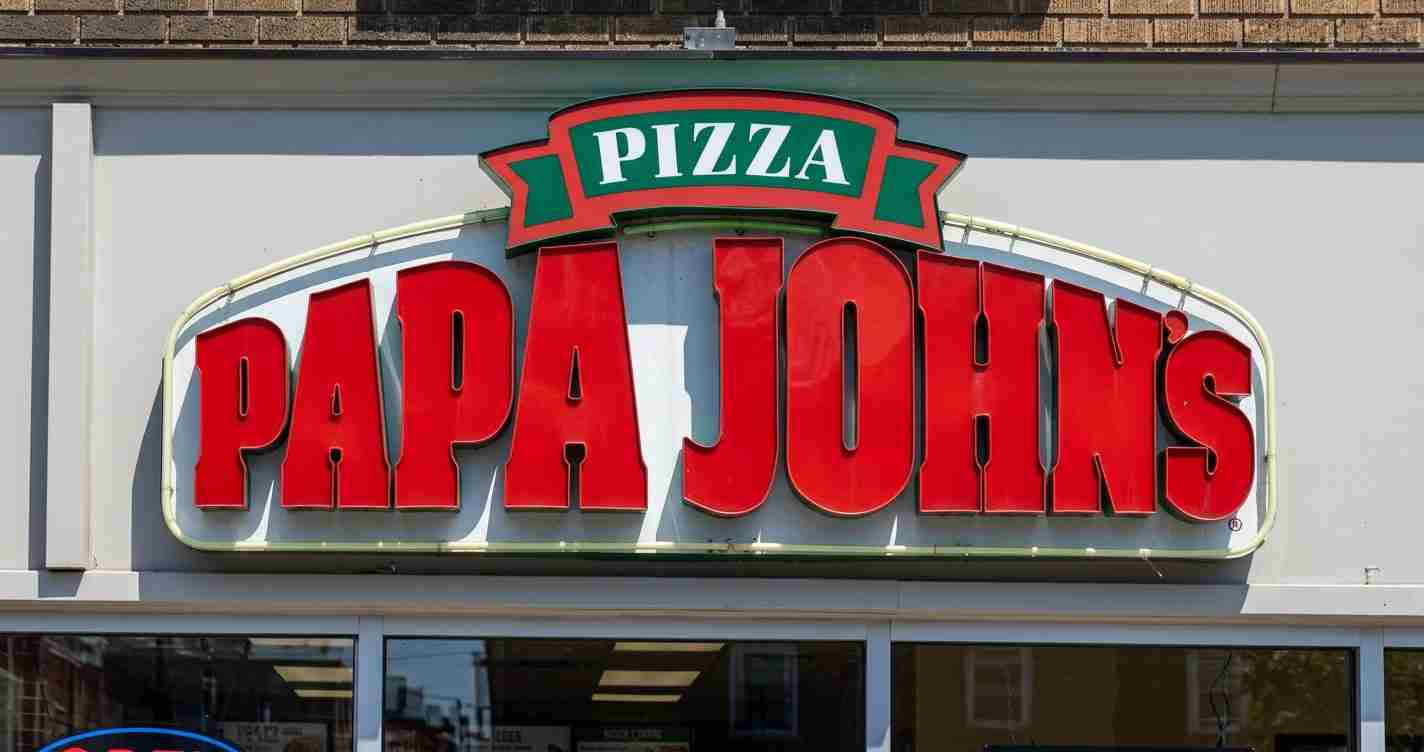
Papa Johns accelerating “shrink‑to‑grow” plan as roughly 300 stores set to close across North America
United States (Times Media Service) — Papa Johns will close roughly 300 underperforming restaurants across the U.S. and Canada by 2027, with about 200 closures expected this year, as part of a strategic “shrink‑to‑grow” plan to boost remaining stores’ average sales and franchisee health.
Key takeaways
- About 300 locations: Papa Johns announced a plan to shutter about 300 North American restaurants, mostly franchise‑owned and older, by 2027.
- Most this year: The company expects roughly 200 of those closures to occur this year.
- Corporate trimming: Papa Johns cut about 7% of its corporate workforce as part of the restructuring.
- Sun Belt concentration: Early filings show at least 44 closures in Q1 across 17 states, concentrated in Texas, California, Florida and Arizona.
Main story
What Papa Johns is doing
Company leaders describe the program as a careful, restaurant‑by‑restaurant pruning of older, low‑volume locations. Management identified roughly 300 restaurants across North America that are mostly franchise‑owned and more than a decade old, many generating less than $600,000 in annual sales — a threshold the company says often produces negative four‑wall income at the store level. For details on the perimeter of the plan see Restaurant Dive and reporting at Fox Business.
“Closing underperforming stores should raise average unit volumes for remaining restaurants and let franchisees reallocate capital toward stronger units and new development.”
CFO Ravi Thanawala said the move should lift average unit volumes (AUVs) by at least 3% for remaining restaurants, noting a similar program he oversaw in the U.K. produced an even larger AUV improvement — see Fox Business.
Where closures are showing up
A review of company filings and local business records identified dozens of early closures in Sun Belt states. In Q1, at least 44 locations closed across 17 states, with the highest counts in Texas, California, Florida and Arizona. Additional closures have been reported in Michigan, North Carolina and Virginia. Company reporting frames this as a North America rationalization that will remove many legacy, low‑volume clusters first.
Corporate cuts and the timing
Alongside store rationalization, Papa Johns said it reduced about 7% of corporate headcount to align resources with the new priorities. Management described the workforce reductions as an effort to “optimize spans and layers” and focus support on remaining restaurants and priority growth markets; trade reporting corroborates the headcount number at Restaurant Dive.
Financial context and investor reaction
The announcement comes amid weak share performance: Papa Johns International stock was down roughly 21% year‑to‑date and has fallen more than 69% over five years at the time of reporting. Traders and analysts note that same‑store sales in North America slipped roughly 5% in the quarter prior to the announcement, making low‑volume stores harder to sustain. See coverage at Restaurant Dive and Fox Business for market reaction.
Industry pressures behind the decision
Pizza chains and broader quick‑service operators face rising ingredient and packaging costs, higher labor expenses and supply‑chain headwinds. Trade reporting notes pizza restaurants are being outnumbered by other formats such as Mexican restaurants and coffee shops, increasing competition for delivery and off‑premises dollars. Rival chains have also trimmed footprints in recent years.
Why closing underperforming stores can make business sense
For franchisees, a unit doing less than $600,000 a year may struggle to cover rent, labor and delivery costs. Management argues that removing chronically weak stores will improve system health, allow stronger operators to reallocate capital, and enable selective new growth — roughly 40–50 gross openings expected this year under the plan.
How communities may feel the change
Closures will be gradual and uneven. In many areas one outlet may close while another nearby remains open and absorbs demand. But closures mean lost hours for hourly workers, reduced business for local suppliers and fewer delivery options for residents — particularly in denser Sun Belt markets where clusters of legacy units are being removed.
Local impact: Every closure removes jobs for cooks, drivers and managers and can reduce local supplier orders and sales tax receipts.
Practical applications for consumers and franchisees
Customers should expect menu and delivery options to consolidate in some areas; one nearby Papa Johns will often absorb demand. Affected franchisees may be eligible for support from the franchisor during exits or can choose to reallocate capital to higher‑performing units and new openings. Management says the program also creates opportunities for well‑capitalized franchise operators to buy or redevelop assets — see coverage at Restaurant Dive and Fox Business.
Implications for the United States
Economic: The national hit is modest but tangible at the local level. Each closing reduces hourly jobs and supplier volume, though improved AUVs at surviving units could support future investment and hiring.
Political: The shift underscores pressures on franchise entrepreneurs from rising costs and may prompt policy discussions around supply‑chain relief, workforce training and regulatory burden.
Social: In communities that lose multiple units, residents may face fewer late‑night or delivery choices, potentially affecting food access patterns.
Reporting and sources
Coverage and filings cited in this article include: Restaurant Dive, Fox Business, CBS News, Fast Company analysis referenced in company filings, and Papa Johns’ SEC filings and investor materials.
For readers tracking store‑level changes, local business records and company filings remain the best sources for up‑to‑date closure lists.



