Silver Whisper rescues sailor after seven-hour search in rough North Pacific — cruise diverted to aid injured solo mariner
On May 26, 2026, the Silversea Cruises ship Silver Whisper diverted in the North Pacific and spent seven hours in high winds and rough seas to reach the dismasted sailboat April Alice, rescuing an injured solo mariner for onboard medical care.
- Date: May 26, 2026 — reported timeline and passenger accounts.
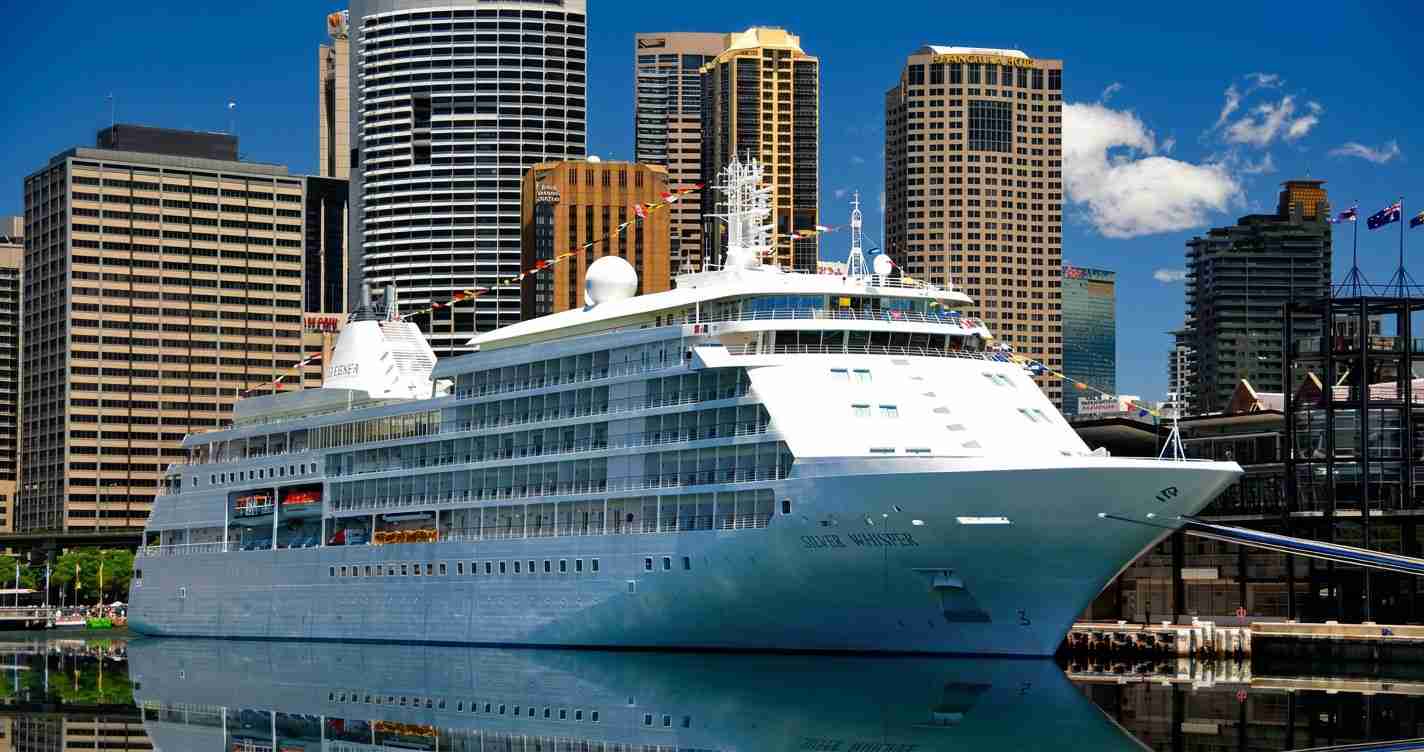
- Rescuer: Silver Whisper — a 392-guest Silversea Cruises ship owned by Royal Caribbean Group.
- Distressed vessel: April Alice — reported dismasted with no power or communications.
- Casualty — a single injured sailor, reported as a 74-year-old Canadian with a broken left shoulder, stabilized onboard.
What happened: timeline and sources
Overview. Passenger reports and maritime outlets say Silver Whisper, on a 24-night one-way sailing from Papeete, Tahiti, to Vancouver, diverted after the U.S. Coast Guard received a Mayday call from a single-handed sailor in distress. Sources reporting this include Cruise Mummy and Cruise Hive.
Reports indicate the sailboat April Alice had lost its mast and suffered a total loss of power and communications while far from Hawaii and the continental United States, leaving nearby ships as the only realistic help when air rescue was not feasible (Cruise Mummy; Cruise Hive).
“It took seven hours to reach the sailor and finding him felt like a needle in a haystack,” reported a passenger in social posts highlighted by maritime coverage.
Ship, operator and capability
Silver Whisper is a luxury Silversea Cruises vessel listed at about 28,258 gross tons and carrying up to 392 guests. Silversea is part of the Royal Caribbean Group portfolio; company and maritime reporting note the ship’s medical staff and facilities were used to stabilize the rescued mariner until disembarkation (Cruise Mummy; Cruise Hive; Maritime Executive).
Rescue coordination and technical challenges
Maritime reporting says the U.S. Coast Guard coordinated the call for assistance and that when aircraft were not feasible due to distance and weather, tracking systems and AMVER-style monitoring helped identify Silver Whisper as the nearest ship able to assist (Beach Connection).
The operation required the cruise ship to alter course and execute a multi-hour maneuver in high winds and rough seas, complicating the approach and transfer of the injured sailor. Passengers said the crew collapsed the ship’s stabilizers during the rescue to allow a closer approach — an action that can make the ship feel noticeably less steady for everyone onboard (Fox News).
Condition of the sailor and aftermath
Multiple outlets report the rescued mariner suffered a broken left shoulder but was alive and in stable condition after being brought aboard Silver Whisper (Cruise Hive; Maritime Executive).
One report identified him as a 74-year-old Canadian; that age and nationality are drawn from secondary accounts and have not been formally confirmed by Silversea Cruises or the U.S. Coast Guard (Beach Connection).
Passenger impact and operational effects
The diversion added time to the voyage and likely caused some passengers to miss connecting flights, according to passenger posts cited in reports. Several passengers framed the delay as a necessary trade-off for saving a life, underscoring how international maritime duty can affect passenger itineraries (Fox News).
Legal framework and AMVER role
International maritime law obliges vessels to assist persons in distress when they are best positioned to help. In long-range ocean searches, the AMVER system and U.S. Coast Guard coordination often determine which ships are closest and capable of rendering timely assistance; reporting indicates AMVER-style monitoring helped point the Coast Guard to Silver Whisper (Beach Connection).
Reporting limitations and open questions
Coverage to date is based largely on passenger accounts and maritime outlets; formal statements from Silversea Cruises or the U.S. Coast Guard confirming operational details were not included in those reports. Key questions remain about exact coordinates of the distressed vessel, the duration of onboard care, and any follow-up medical transport or formal incident reports filed with maritime authorities (Cruise Hive; Maritime Executive).
Implications for United States
Search-and-rescue burden: The incident highlights how U.S. search-and-rescue networks can rely on commercial ships to extend rescue reach in remote ocean areas when aircraft cannot operate.
Safety and regulatory scrutiny: High-profile rescues raise questions about safety practices for long-distance sailors and the availability of reliable communications and emergency beacons, potentially prompting regulators and recreational boating groups to push for stronger guidance (Cruise Mummy).
Cruise operations: Rescues can cause delays and missed connections but bring public recognition for life-saving actions — affecting contingency planning and passenger communications.
Emergency medical care capacity: The case demonstrates the importance of onboard medical teams’ ability to stabilize injured people when shore-based services are hours or days away (Maritime Executive).
Local preparedness: Ports such as Vancouver and West Coast U.S. harbors may review contingency plans for accepting unexpected medical arrivals from international passenger ships (Cruise Hive).
Reporting sources
This account draws on passenger reports and maritime reporting published after the May 26 incident. Further official details may be released by Silversea Cruises or the U.S. Coast Guard in follow-up statements and incident reports.