ATLANTA, June 23 (Our Illinois Times) — People who spend time outdoors in tick country face a rare but serious risk: Powassan virus can be passed by an infected tick quickly after attachment, and the Centers for Disease Control and Prevention says there is no vaccine or specific medicine to treat it.
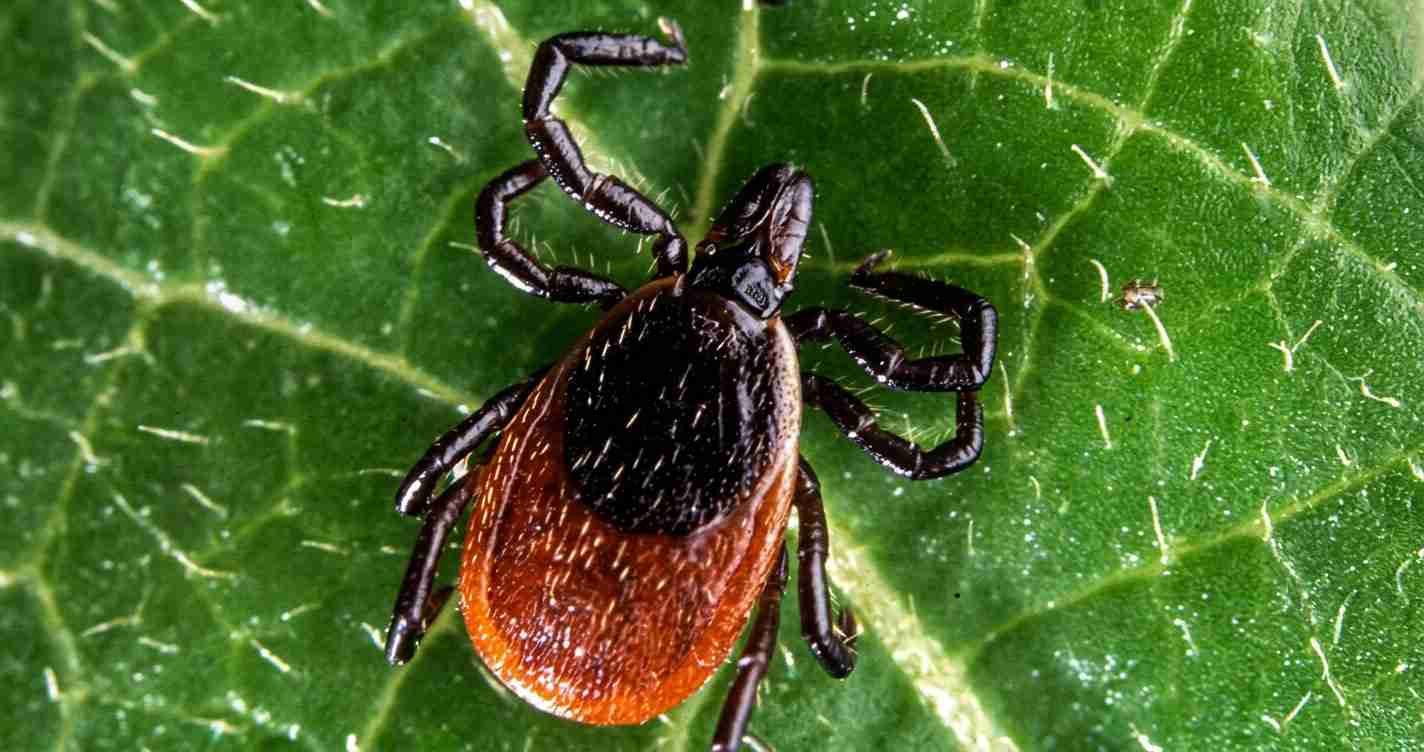
The CDC says reported Powassan cases have increased in recent years, with most U.S. infections occurring in the Northeast and Great Lakes regions during the tick-active months from late spring through mid-fall. The virus is spread by infected ticks, including blacklegged ticks, groundhog ticks and squirrel ticks.
Powassan infection can be mild or cause no symptoms at all, but it can also turn into encephalitis or meningitis, according to the CDC. Early illness can include fever, headache, vomiting and weakness.
When the infection reaches the nervous system, the CDC says it can cause confusion, loss of coordination, speech problems, seizures and paralysis. The agency says about 10% of people with Powassan neuroinvasive disease die, and about half of survivors have lasting neurologic problems.
Unlike many tick-borne illnesses, Powassan can be transmitted fast. A U.S. military public-health page citing studies says transmission can happen in as little as 15 minutes of feeding, while a peer-reviewed case report found evidence that human transmission can occur within hours of attachment.
The Defense Centers for Public Health–Aberdeen says Powassan is the only tick-borne encephalitis virus found in the United States. CDC also says older adults, children and people with weakened immune systems are at higher risk for severe neuroinvasive disease, and rare blood-transfusion transmission has been reported.