MCALLEN, Texas, June 25 (Del Rio Online) — In Del Rio and across South Texas, livestock owners are being told to watch for wounds and signs of infestation as Texas officials try to determine whether rodents and other small wildlife helped carry New World screwworm into the state.
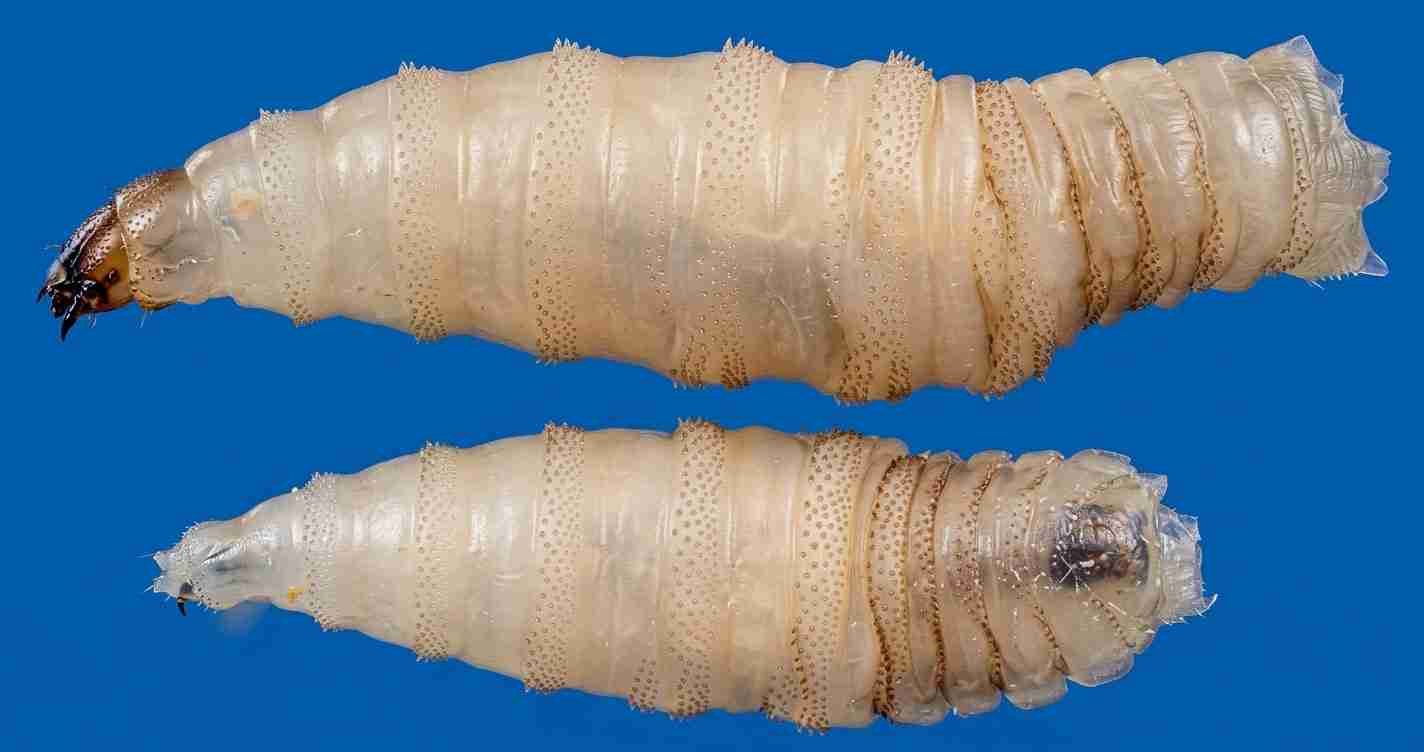
The U.S. Department of Agriculture’s Animal and Plant Health Inspection Service said June 3 that it confirmed New World screwworm in a 3-week-old calf in Zavala County, identifying larvae in the animal’s umbilical area. APHIS said there were no further detections at the time of the announcement.
Texas Animal Health Commission officials have said they are considering small wildlife and rodents, including armadillos, opossums and rabbits, as a possible source. Texas Parks and Wildlife Department said the source of the first Texas case remains under investigation.
A Texas Parks and Wildlife Department spokesperson said wildlife is susceptible to New World screwworm “in the same manner that livestock and other warm-blooded animals are.” The department’s disease page says white-tailed deer, jackrabbits, cottontails, small mammals and turkeys are more commonly affected.
APHIS says screwworm maggots can infest livestock and other warm-blooded animals, and in rare cases people, usually after entering through an open wound. The agency says the parasites do not infest meat, fruits, vegetables or other food sources and that the U.S. food supply is safe.
The Texas Animal Health Commission says New World screwworm was eradicated from the United States in 1966 using the sterile insect technique, but cases have increased in Central America since 2023. The commission says a detection was reported in November 2024 in a cow at an inspection checkpoint in Chiapas, Mexico.