What happened?
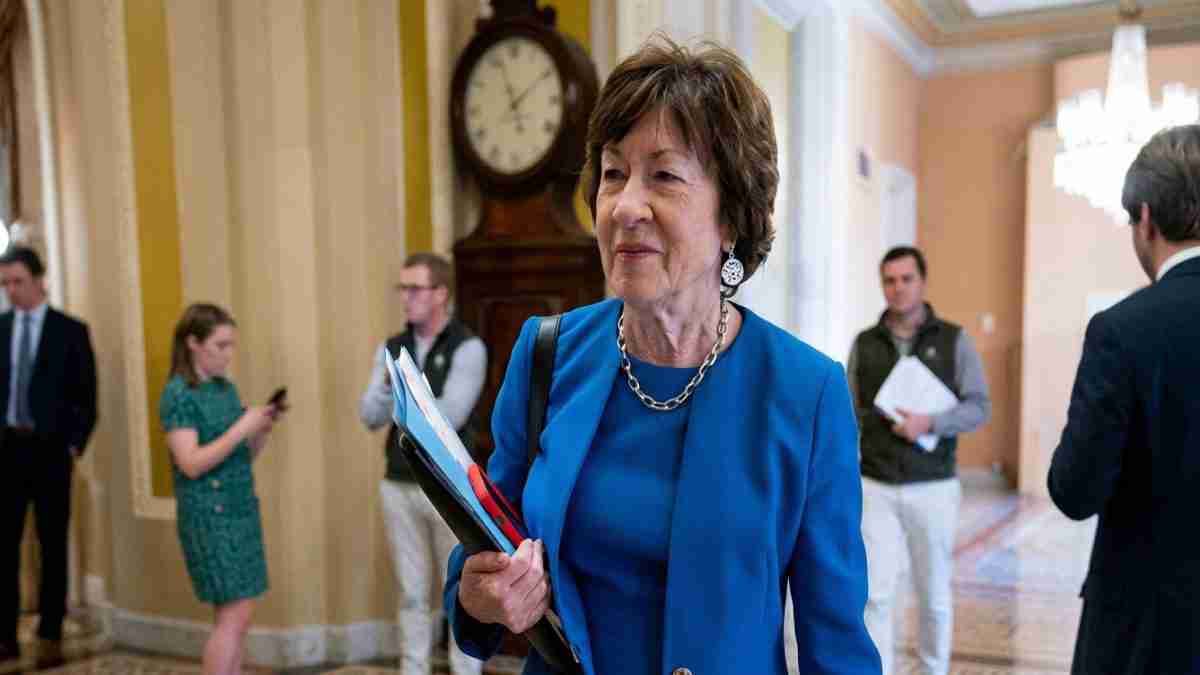
WASHINGTON, Aug. 5 (DC Times Online) — Sen. Susan Collins, R-Maine, said Aug. 4 that she will vote against Todd Blanche’s nomination to become attorney general. Her decision adds a Republican obstacle to President Donald Trump’s choice as Blanche seeks approval from the full Senate.
The Senate Judiciary Committee advanced Blanche’s nomination 12-10 along party lines. The nomination now moves to the Senate floor, where the outcome could depend on attendance and how many Republicans join Collins in opposing him. The materials available do not show a scheduled date or final result for the full Senate vote.
Collins said Blanche is a “capable lawyer,” but argued that the Justice Department has become “increasingly political.” She said actions taken by Blanche had “further eroded” the department’s independence.
“For these reasons, I will vote against this nomination,” Collins said in her statement.
Why is Collins opposed?
Collins pointed to several actions and policies involving Blanche and the Justice Department.
One was an Internal Revenue Service settlement. Collins said Blanche approved an agreement that shielded Trump, his sons and the family business from audits. She said those protections were not available to other taxpayers.
The research available does not include the full settlement or an independent legal analysis of its effect. Collins’ characterization of the agreement is therefore presented as her stated reason for opposing Blanche.
Collins also cited a Justice Department program described as an approximately $1.8 billion “anti-weaponization fund.” The program was intended to compensate people who claimed they had been targeted by federal law enforcement, according to the material cited in coverage of the department’s action.
Blanche later issued an order rescinding the program. The Justice Department order said that no members had been appointed, no money had been transferred, no claims process had been created and no claims had been paid.
The order said it established “beyond any doubt” that there was no fund. Republican Sens. John Cornyn of Texas and Thom Tillis of North Carolina had pressed for the program to be ended during negotiations over Blanche’s nomination. They said they were pleased that the department had formally terminated it.
The timing became important to the confirmation debate. Trump defended Blanche and the fund on July 31. Blanche rescinded it Aug. 2, two days before the Judiciary Committee vote and Collins’ announcement.
What other concerns did Collins raise?
Collins also cited Blanche’s reported pledge to an anti-abortion organization to seek a ban on mailing abortion medication. The available material does not identify the organization or provide the exact terms of the reported pledge.
She further pointed to Justice Department efforts involving Democratic Sens. Mark Kelly of Arizona and Elissa Slotkin of Michigan. The senators had appeared in a video urging service members to resist unlawful orders. Collins said their conduct was “ill-advised, but constitutionally protected.”
The available material does not establish whether formal indictments were issued, what charges were considered or the current status of any related investigation.
More than 1,200 former Justice Department employees also opposed Blanche’s nomination, Collins said. The full text and organizing group behind that opposition were not provided.
What does the vote mean for Blanche’s confirmation?
A committee vote sends a nomination to the full Senate; it does not confirm the nominee. Blanche must still win enough votes on the Senate floor.
Republican Sens. John Curtis of Utah and Jon Husted of Ohio said they would support Blanche, according to their public statements cited in coverage. Other senators’ positions and attendance could affect the final vote count.
The available reports differ in how many additional Republican votes Blanche could lose and still be confirmed. Those estimates depend on which senators are present and whether every Democrat votes against him. Because the official floor attendance and vote schedule are not provided, the precise Senate math remains unsettled.
Collins’ opposition is significant because it comes from a Republican senator whose vote could matter in a closely divided Senate. Her decision does not by itself defeat Blanche’s nomination, but it reduces the margin available to the president’s nominee.
What happens next?
The Senate can schedule a debate and vote on Blanche’s nomination. Senators may continue negotiating over the issues Collins raised, including the Justice Department’s independence, the IRS settlement and the rescinded anti-weaponization fund.
The Judiciary Committee’s 12-10 vote shows that Blanche has support from the committee’s Republicans, but the full Senate must make the final decision. Until that vote occurs, Blanche’s nomination remains pending.