PHRYGIA, TURKEY, Sept. 10 (World Daily Times) — A study of nine newly documented inscriptions from Akmoneia, an ancient city in western Turkey, is adding detail to the religious world of Phrygia during the first three centuries A.D.
The inscriptions include evidence linked to Demeter Karpophoros, a goddess associated with fertility and harvests, as well as records of public statues and religious officials. Together, they help fill a gap in what researchers know about worship in the region during the period when Christianity was beginning to spread.
The findings were analyzed in a study published in the scholarly journal Gephyra. The research was led by Hüseyin Uzunoğlu of Akdeniz University and Münteha Dinç of Uşak University.
What do the inscriptions show?
One inscription concerns a statue of Demeter Karpophoros. The study presents it as the first written evidence identified in the research for the presence of her cult in Phrygia.
In this context, “cult” refers to the organized worship of a deity in the ancient world. It does not carry the modern sense of a secretive or abusive group.
The evidence is significant because Phrygia was known as an agricultural region, where a goddess connected with crops and fertility would have had an important religious role. Uzunoğlu told Fox News that, before this inscription and a closely related one published earlier, there had been no epigraphic proof of the cult’s presence in Phrygia.
“So this fills in a real gap on the map of ancient religious practice,” Uzunoğlu said, according to Fox News.
The other inscriptions offer glimpses of how religion was connected to civic life. One records that a benefactor named Demades commissioned a torch-bearing statue. Researchers believe the statue may have been associated with lighting Akmoneia’s colonnaded main street at night.
Another inscription honored Mandana as the city’s high priestess. The monument was erected by her husband, Priscus, according to the study’s reported interpretation. The inscription provides evidence of a woman holding a prominent religious position in the city.
How does this relate to early Christianity?
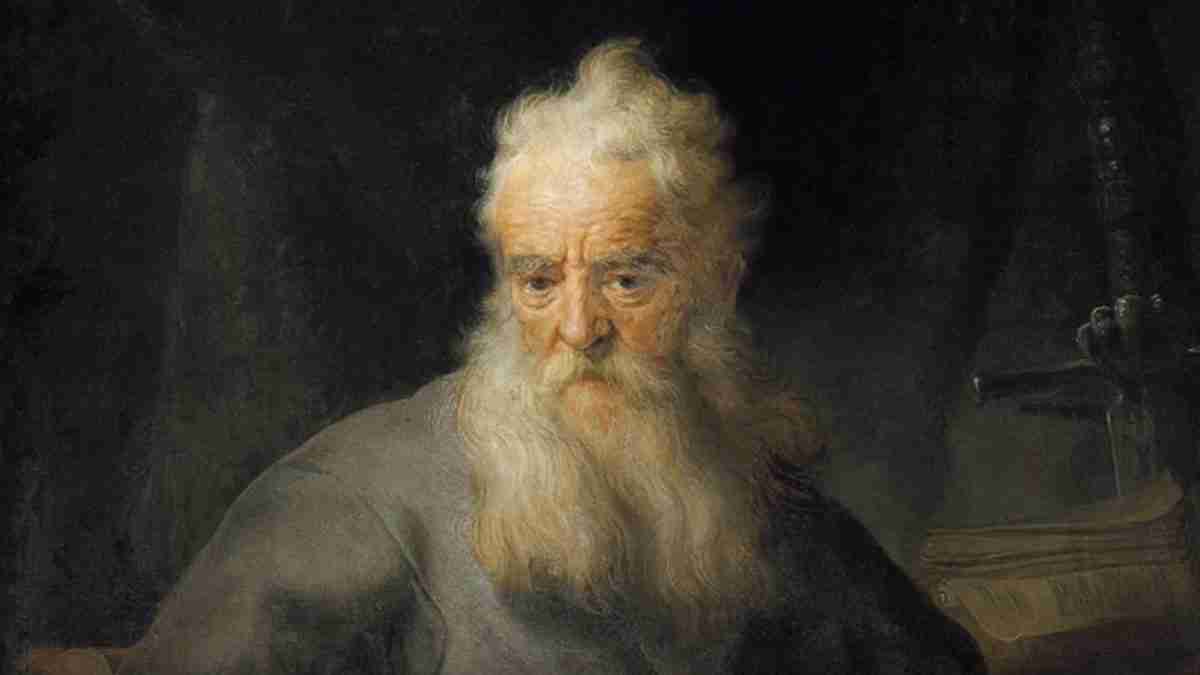
Akmoneia was located in Phrygia, a region associated with the early spread of Christianity and with the broader setting of the ministry and travels of the Apostle Paul.
But the inscriptions do not directly mention Christianity, according to the available study summary. Nor does the evidence establish that Paul personally visited Akmoneia. The discovery instead shows the religious environment that existed in the region as Christian communities were beginning to take root.
That environment included established worship of traditional deities, public religious monuments and civic offices tied to religious practice. Such evidence helps historians understand that Christianity emerged alongside older religious traditions rather than in an empty spiritual landscape.
The inscriptions date from the first through third centuries A.D., a period when the Roman world included many local and regional traditions. Religious life could involve temples, statues, priestly offices, public benefactors and ceremonies connected to agriculture, city identity and public spaces.
Why do inscriptions matter?
Written records carved into stone can preserve details that are difficult to recover from buildings or objects alone. They may identify a deity, name the person who paid for a monument or record the title held by a religious official.
In Akmoneia, the inscriptions connect individual people with the city’s religious life. Demades appears as a benefactor, Mandana as a high priestess and Priscus as the person who commissioned her monument. These references provide evidence not only of belief but also of the people and institutions that supported public worship.
The nine inscriptions do not all appear to document the same religious practice. The reported findings include the evidence concerning Demeter, the torch-bearing statue and Mandana’s office, but the available summary does not provide the full text or interpretation of every inscription.
The study therefore adds specific pieces to the historical record without showing a direct link between these monuments and Christian communities. Its value lies in mapping the religious traditions that shaped Phrygia during a period of major change in the ancient Mediterranean world.