
Biden and Blinken Say They Laid Groundwork for Trump’s Gaza Ceasefire Deal, Touching Off Gaza ceasefire credit debate
Former President Joe Biden and ex-Secretary Antony Blinken say elements of President Trump’s Gaza ceasefire and hostage-release framework were developed during the Biden administration, igniting a partisan dispute over who deserves credit for the agreement’s success.
- Prior groundwork vs. final push: Biden and Blinken assert the ceasefire framework was largely developed under their administration, citing months of diplomacy and a prior January ceasefire.
- Trump’s rebuttal: President Trump calls that claim “a joke,” saying his team got the deal “over the finish line” and added new economic and sovereignty provisions.
- Hostage releases and phases: The deal reportedly secured the release of the remaining living hostages and established phased steps for humanitarian access and longer-term arrangements.
- Political stakes: The credit fight will shape congressional aid debates, electoral messaging and whether U.S. diplomacy prizes continuity or quick deal-closing.
Blinken: Trump’s plan “built on” Biden-era framework
Antony Blinken, who served as secretary of state under President Biden, said President Trump’s 20-point peace plan for Gaza drew heavily from a framework the Biden team spent months creating. Blinken cited shared elements — a post-conflict plan for Gaza, demands for Hamas to disarm, increased humanitarian aid and rejection of Israeli annexation or occupation — and said it was “good that President Trump adopted and built on the plan the Biden administration developed.” Sources reporting his remarks include Washington Times and KFOX.
“The core ideas were essentially the plan we developed over many months,” Blinken told interviewers and on a podcast with Preet Bharara, noting sustained consultations with Arab partners, Israel and the Palestinian Authority.
Biden: “Partial credit” for groundwork and relief efforts
President Biden, recovering from cancer treatment, posted on X that he was “deeply grateful and relieved” by the apparent winding down of the war and returning hostages. He took partial credit for the road to the agreement, saying, “My administration worked relentlessly to bring the hostages home, get relief to Palestinian civilians, and end the war.” He also lauded Trump for getting the “renewed ceasefire deal over the finish line,” indicating the final signing built in part on prior diplomacy (Fox News; Washington Times; KFOX).
Context: What Biden-era diplomacy achieved
Officials in the Biden administration arranged a short-lived January ceasefire that produced the release of 135 hostages before fighting resumed, according to reporting. The Biden team had developed a proposal outlining transitional governance steps, humanitarian relief and security provisions that diplomats say formed the backbone of later talks (Fox News; Washington Times).
Trump: “A joke” — credit goes to his leadership
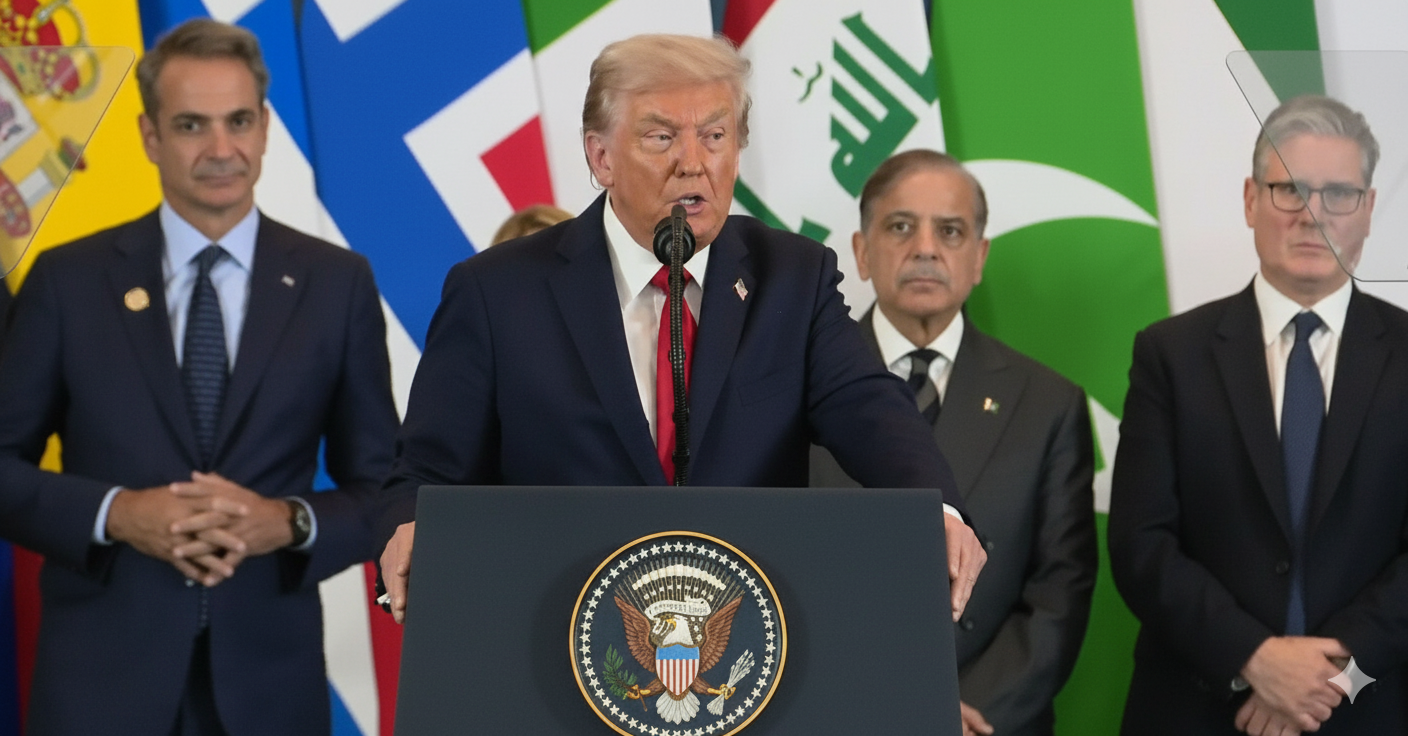
President Trump dismissed Biden and Blinken’s assertions as “a joke,” arguing earlier policies had failed and that his administration alone produced the breakthrough. He highlighted that more than 20 world leaders joined the signing and that his administration’s plan included expanded economic development measures and firm non-occupation commitments not present in the Biden draft (Fox News; Washington Times).
Hostages, phases and next steps
Reporting indicates the ceasefire resulted in the release of the 20 remaining living hostages and established a phased approach for implementing longer-term peace and recovery steps. The early phase emphasized hostage releases and halting large-scale fighting; subsequent phases prioritize humanitarian access, political arrangements for Gaza, and security guarantees (Fox News; Jerusalem Post).
Media and public debate: Who gets credit?
The dispute reflects a deeper partisan fight over foreign policy legacies. Supporters of Biden and Blinken argue diplomacy is cumulative: months of quiet negotiation, trust-building and earlier ceasefires can decisively shape later outcomes (Washington Times; Fox News). Trump allies counter that real credit belongs to the leader who closes a deal, pointing to final negotiation tactics, direct pressure and new incentives introduced by the Trump team.
Notable reactions from other leaders
Vice President Kamala Harris offered broad thanks to “leaders and partners” involved and pledged to continue efforts toward lasting peace, notably without naming President Trump (KFOX). International leaders present at the signing emphasized collective action and the multiplicity of contributors to the outcome (Fox News).
Why the credit fight matters
This is more than political posturing: how credit is assigned influences future diplomatic behavior. If recognition goes mainly to final signatures, administrations may favor rapid deal-closing over patient trust-building. If credit is given to long-term groundwork, it could encourage sustained engagement even without immediate results. Both approaches carry strategic and ethical implications for U.S. foreign policy, aid commitments, and alliances (Washington Times).
Implications for United States
- Economic and political stakes: The U.S. role will shape congressional debates over foreign aid, reconstruction funds and military assistance; the credit fight could influence which proposals gain traction in Congress (Fox News; Washington Times).
- Electoral politics and messaging: Parties will use the ceasefire to craft foreign policy narratives for 2026 and 2028 campaigns, emphasizing either decisive deal-making or steady diplomatic continuity (KFOX).
- Social and humanitarian impact: U.S. choices on aid and reopening humanitarian corridors will affect civilian recovery in Gaza and ignite domestic oversight debates (Fox News).
- Policy continuity vs. change: The debate spotlights whether future diplomacy should build on prior frameworks or emphasize rapid outcome-focused diplomacy, shaping relations with Israel, Arab partners and the Palestinian Authority (Washington Times).
- Public trust in diplomacy: High-profile credit fights risk eroding public trust if they appear partisan, while bipartisan recognition could strengthen U.S. standing and allied cooperation (Fox News).
Reporting notes and sources
This article draws on public statements, interviews and news reports including Fox News, The Washington Times, KFOX and the Jerusalem Post. The dispute over credit continues as the United States and partners move into implementation phases of the ceasefire and hostage-release agreement.



