Mayor Johnson’s “illegal alien” spat with reporter fuels migrant crime debate in Chicago
Chicago Mayor Brandon Johnson engaged in a heated exchange with a reporter over the phrase “illegal alien” and migrant-related crime, spotlighting clashes over immigration rhetoric, sanctuary-city policy, and public-safety messaging in Chicago and national political debate.
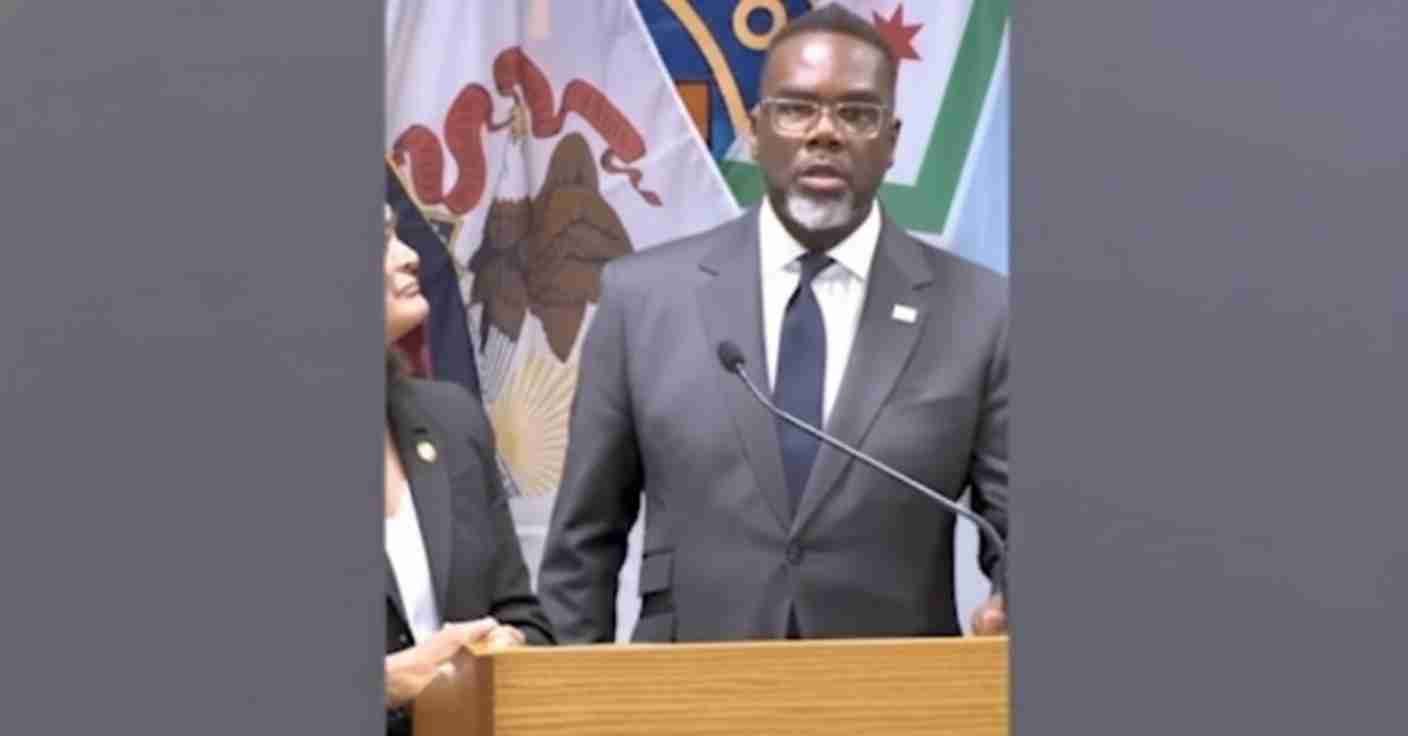
- Confrontation: Mayor Johnson clashed with a reporter who repeatedly used the phrase “illegal alien” while pressing about a violent crime allegedly committed by an undocumented migrant. (Source: WCBM article reporting the exchange and quoting Mayor Johnson and full video)
- Language dispute: Johnson rejected the term “illegal alien”, calling it dehumanizing and urging use of terms like “undocumented individuals.” (Source: WCBM article reporting the exchange and quoting Mayor Johnson.)
- Policy frame: Chicago’s sanctuary-city limits local cooperation with federal immigration enforcement except in narrow public-safety circumstances. (Source: video on policy and community trust.)
What happened
At a public appearance, a reporter asked Mayor Johnson if he would want an alleged migrant offender deported if the victim had been his wife, using personal framing to press on enforcement and public safety. Johnson repeatedly declined the hypothetical and refused to answer that style of question. (Source: full video of the exchange.)
Mayor’s reaction
Johnson forcefully pushed back when the reporter used “illegal alien.” He said:
“We don’t have illegals. Aliens — I don’t know if that’s from some sort of sci-fi message you wish you’d had. The legal term for my people was slaves — you want me to use that term too? Let’s get the language right. We’re talking about undocumented individuals who are human beings. The last thing I’m going to do is accept racist, nasty language to describe them.”
Johnson framed his objection around dignity and historical context, arguing that dehumanizing language impedes trust and productive public-safety conversations. (Source: WCBM article reporting the exchange and quoting Mayor Johnson.)
Reporter’s line of questioning and criticism
The reporter’s approach: Pressed Johnson on crime in neighborhoods, cited interviews showing public frustration, and noted the mayor’s private security detail as possible hypocrisy amid high crime concerns. Supporters of the reporter said such direct questions are necessary; critics called the hypothetical an emotional provocation. (Source: full video and short clip.)
Chicago policy and legal limits
Chicago is a designated sanctuary city: local police generally do not act as immigration agents for U.S. Immigration and Customs Enforcement except when federal warrants exist or when clear public-safety threats are present. Johnson reiterated that local policy is legally constrained and emphasized building community trust so residents report crimes without fear. (Source: video on policy and community trust.)
Political fallout and national context
The exchange became a national flashpoint in ongoing debates over migrants, crime, and the language used to describe immigration status. Opponents of sanctuary policies cite individual cases to argue for stricter enforcement; proponents point to data showing no clear link between immigration status and higher crime rates. The clip has been used by both sides in broader political messaging. (Sources: WCBM article, video.)
Press and public reaction
Video circulated widely online. Short clips emphasized Johnson’s rebuke and the reporter’s persistence; longer footage showed the broader exchange and Johnson’s attempts to redirect to policy. Journalists are split: some defend aggressive questioning on public safety, others warn that repeating inflammatory language can escalate tensions and undermine constructive reporting. (Sources: short clip, full video, policy video.)
Implications for United States
Economic impact
High-profile incidents about migrants and crime can affect local business confidence, tourism, and investment. Cities receiving large migrant inflows face immediate shelter, social-service, and health-care costs. These fiscal pressures may shape state and federal funding priorities.
Political consequences
The clip has national reach: conservative audiences may press for stricter enforcement, while moderate and liberal voters may emphasize humane language and trust-building. Immigration and public safety remain salient election issues at all levels of government.
Social effects
Language matters for community trust and policing. Officials emphasizing humane terms may strengthen relations with immigrant communities; critics say clarity on enforcement is necessary for residents’ sense of safety. Exchanges framed around charged terms risk deepening polarization.
Cultural relevance
The debate touches newsroom and government language norms — “undocumented” versus “illegal” — and how word choice shapes public perception. Johnson’s slavery comparison drew swift reaction and shifted some debate toward historical and moral context.
Practical applications for policymakers and officials
- Clarify enforcement roles: Explain when local police will cooperate with federal immigration authorities.
- Use precise reporting: Separate individual criminal cases from broader policy debates and avoid letting single incidents dictate citywide policy.
- Invest in services: Seek federal support for shelter and services and invest in community safety programs.
Reporting note
This article is based on video and news reports of the exchange and public statements by Mayor Brandon Johnson. Source material includes local reporting and video of the interaction.