
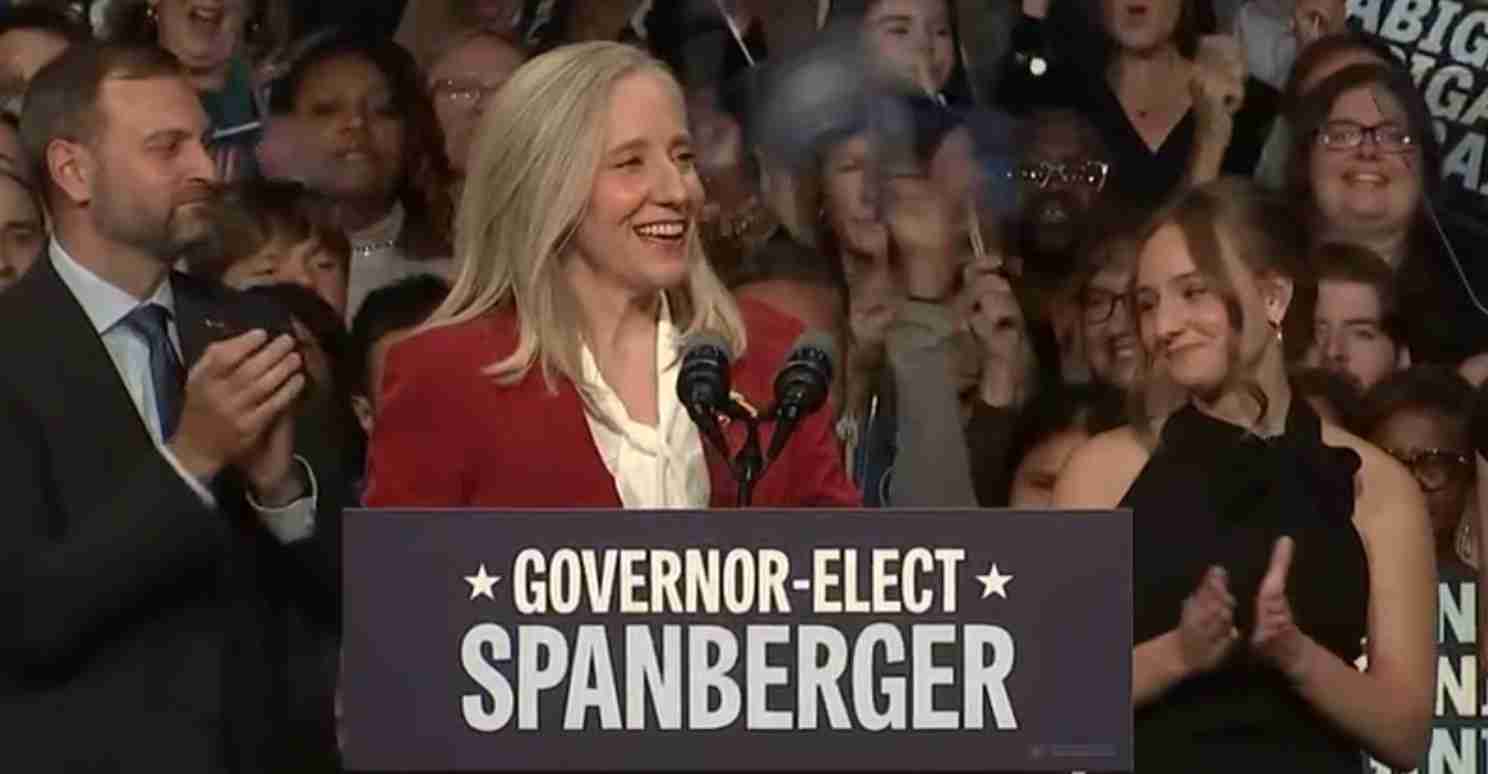
Abigail Spanberger Wins Virginia Governor’s Race, Becomes First Woman Elected Governor of Virginia in 2025
Abigail Spanberger won the Virginia governorship on November 5, 2025, becoming the state’s first woman elected governor after defeating Republican Earl Sears, buoyed by strong suburban turnout and an economic-focused campaign emphasizing schools, affordability and safety.
- Winner: Abigail Spanberger (D) — first woman elected governor of Virginia; sources include campaign remarks and election night projections and the Abigail Spanberger campaign site.
- Deciding factors: Elevated Democratic turnout in key suburbs, an economic-first message that appealed to swing voters, and perceived weaknesses in the Republican campaign as noted in election-night analysis (election night coverage; campaign materials).
- Next steps: Official vote certification and county-by-county results will be completed by state election officials in the coming days and weeks (projection reporting).
Victory speech and campaign themes
On election night in Richmond, Spanberger delivered remarks that reinforced her three central themes: stronger public schools, affordability, and community safety. In video coverage of her remarks she stressed unity and practical solutions over partisan attacks, telling supporters she would “put Virginia’s interests ahead of politics.” Source materials include victory speech recorded and distributed by the campaign and broadcast coverage and the campaign site.
“Put Virginia’s interests ahead of politics.”
Spanberger’s messaging emphasized bread‑and‑butter economic issues — cost of living, property taxes, and workforce development — framed to appeal to moderates in suburban and exurban counties. Her campaign highlighted proposals to strengthen K–12 education and tighten public-safety measures while promising fiscal restraint (campaign positions; election night analysis).
Election results and turnout
Major networks projected Spanberger the winner shortly after polls closed; NBC News and other outlets cited elevated Democratic turnout in pivotal suburban districts as a decisive factor. At the time of the projection, detailed statewide vote totals and county-by-county margins were not yet available in the initial reports (network projection cited on election night coverage).
Commentators also pointed to the lack of a formal endorsement from former President Donald Trump for Republican nominee Earl Sears as a possible weakness, suggesting the Sears campaign struggled to consolidate conservative turnout while appealing to moderates needed to win statewide in 2025 (post-election commentary).
Why suburban voters mattered
Suburban areas around the Washington, D.C., metro and other population centers have become a decisive swing bloc in Virginia. Spanberger’s campaign invested heavily in targeted outreach there, focusing on affordability, school quality, and public safety — issues that resonated with voters balancing household budgets and seeking practical governance. Broadcast analysis credited this economic messaging with flipping or holding key suburban precincts (broadcast analysis; campaign commentary).
Investigative look at campaign strategy
Spanberger’s campaign blended retail organizing with digital outreach. Her background as a former federal agent and two‑term congresswoman was presented to reassure voters on public safety and national-security‑adjacent issues, while policy proposals on affordability targeted pocketbook concerns. The campaign’s unity and pragmatic governance narrative appeared to blunt nationalized culture‑war disputes that often complicate statewide races (campaign website).
On the Republican side, internal divisions and the absence of a high‑profile, unifying endorsement were flagged as strategic shortcomings. Although Sears had support from conservative activists and some local leaders, analysts said the campaign lacked the national momentum and consistent messaging needed to broaden appeal in suburban and moderate-trending areas, leaving room for Spanberger’s message (election coverage and analyst commentary).
Official certification and next steps
State election officials will canvass and certify results in the days and weeks after the election. After certification the transition will progress, including appointments to key cabinet posts and early planning for the governor’s budget priorities. Spanberger’s stated priorities include education funding, affordability measures, and public‑safety initiatives (campaign site and public remarks).
Implications for the United States
Economic policy and suburban politics: Spanberger’s victory highlights suburban voters’ central role and suggests an effective economic-first message (affordability, taxes, education) can win competitive states by attracting pragmatic crossover voters.
National Republican strategy: The result will likely prompt the GOP to reassess messaging, candidate vetting, and the role of national endorsements in statewide contests where suburban moderates decide outcomes.
Governance and bipartisan appeal: As a governor who emphasized unity and practical solutions, Spanberger’s early months will test whether a centrist, results-focused approach can bridge a divided legislature and produce visible results on affordability, schools, and safety.
Electoral signaling and legal impacts: Observers will watch how the administration manages budget choices and appointments that shape state policy on education, public safety, and regulatory enforcement. Her choices could influence national conversations about centrist statewide strategies (campaign platform; victory remarks and broadcast coverage).
What to watch next
- Certification timeline and the release of county-by-county margins by Virginia election officials.
- Early policy signals and proposed budget priorities from the Spanberger transition team.
- Reactions and strategic shifts from national parties interpreting the result for 2026 and beyond.
- Local turnout data and demographic analyses explaining where Spanberger gained her strongest margins.
Sources and further reading
Video coverage and victory remarks: campaign victory video and election night coverage
Abigail Spanberger campaign site: Abigail Spanberger



