WASHINGTON, Aug. 25 (DC Times Online) — The Supreme Court on Aug. 24 gave President Donald Trump’s administration a preliminary legal victory in its effort to restrict mail voting before the November 2026 midterm elections. But the ruling did not decide whether Trump’s executive order is lawful, and a separate court order continues to block the U.S. Postal Service from putting important parts of the plan into effect.
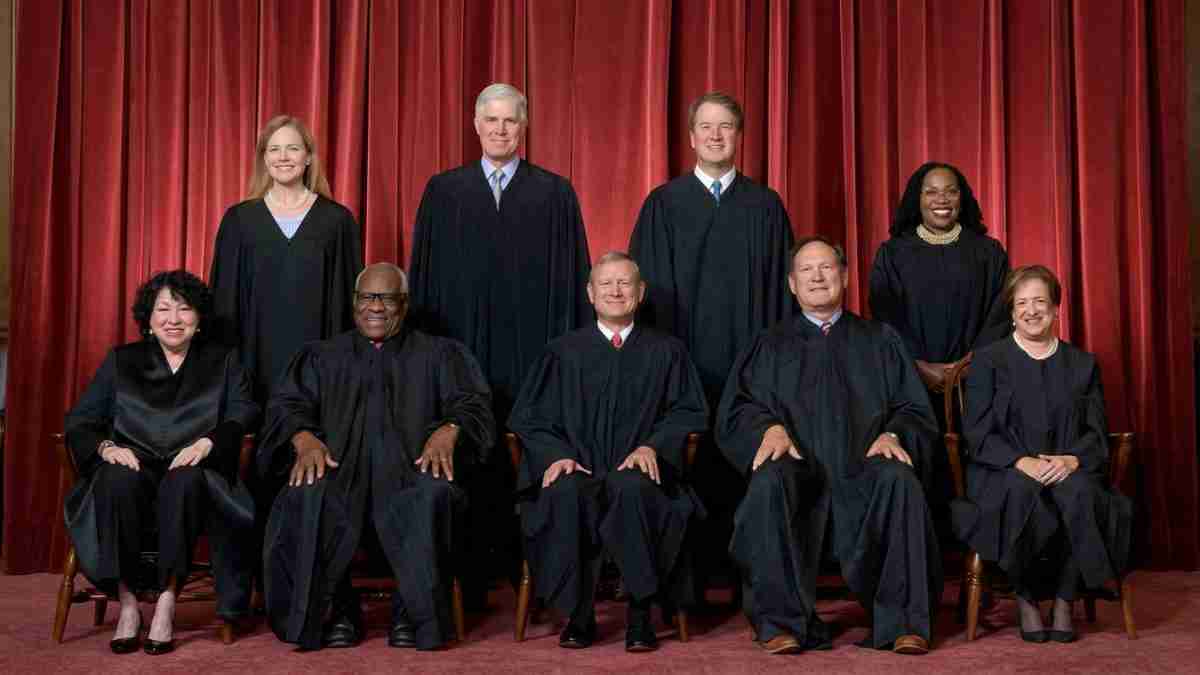
The unsigned Supreme Court order, issued by a 6-3 vote, paused a June injunction that had blocked parts of Trump’s March executive order. The June case was brought by 23 states and Washington, D.C.
The justices said the states’ challenge came too early. Federal agencies had not yet taken enough concrete steps to affect the states, the majority said, making the harm claimed by the states speculative at that stage.
The court also warned that its ruling was limited. “The court’s disposition of this application does not mean that any measure taken by the Government to implement the Order will necessarily be lawful,” the order said. “On that score, time will tell.”
What does Trump’s order do?
The March executive order directs the Department of Homeland Security to develop state-specific lists of eligible adult U.S. citizens. It also directs the Postal Service to obtain or use state lists of people eligible to vote by mail.
The plan includes requirements for tracking mail ballots. The administration has said the measures are intended to protect election security.
The order applies to 23 mostly Democratic-led states and Washington, D.C., according to the court litigation. The Supreme Court said the directive does not regulate states’ voter-registration systems or remove their authority to create and enforce election laws.
Why can’t the Postal Service immediately apply the rules?
A separate nationwide injunction issued Aug. 11 by U.S. District Judge Indira Talwani in Boston remains in effect. That order blocks the Postal Service from implementing the new mail-ballot procedures.
As a result, the Supreme Court’s decision removed one legal obstacle but did not clear every obstacle to implementation. The precise effect of the ruling will depend on further actions by the agencies and additional decisions in the lower courts.
The Postal Service issued a final regulation on Aug. 21 intended to enforce parts of Trump’s executive order, according to the regulation described in the litigation. The court materials do not establish whether any ballots have been rejected, delayed or otherwise affected by the revised rules.
What did the justices decide — and what did they not decide?
The Supreme Court’s action was an emergency, provisional ruling. It did not determine whether the president had the legal authority to impose the restrictions or whether the planned agency actions comply with federal law.
Justice Ketanji Brown Jackson said the ruling “needlessly injects chaos and uncertainty into the upcoming midterm elections.” Justice Sonia Sotomayor wrote that the decision did not address “whether the President’s attempts to interfere with States’ administration of the November 2026 elections are lawful.”
The court’s three liberal justices dissented.
The underlying dispute is expected to continue in lower courts. The administration appealed Talwani’s June injunction in July, and the separate nationwide injunction remains a central limit on the Postal Service’s actions.
How did the White House respond?
White House spokesperson Lauren Bis praised the ruling and said the administration would continue pursuing Trump’s election agenda.
“This Administration will continue to lawfully enact the agenda President Trump was elected on — which includes the safety and security of our elections,” Bis said.
For voters and election officials, the immediate question is not settled by the Supreme Court’s order alone: which parts of the executive order agencies may implement, and when. Those questions remain tied to the nationwide injunction, agency actions and future court rulings.