WASHINGTON, Sept. 11 (DC Times Online) — Missouri’s congressional primary winners face an unusual election problem: They won nominations under one set of district lines, but the November general election is now expected to use another.
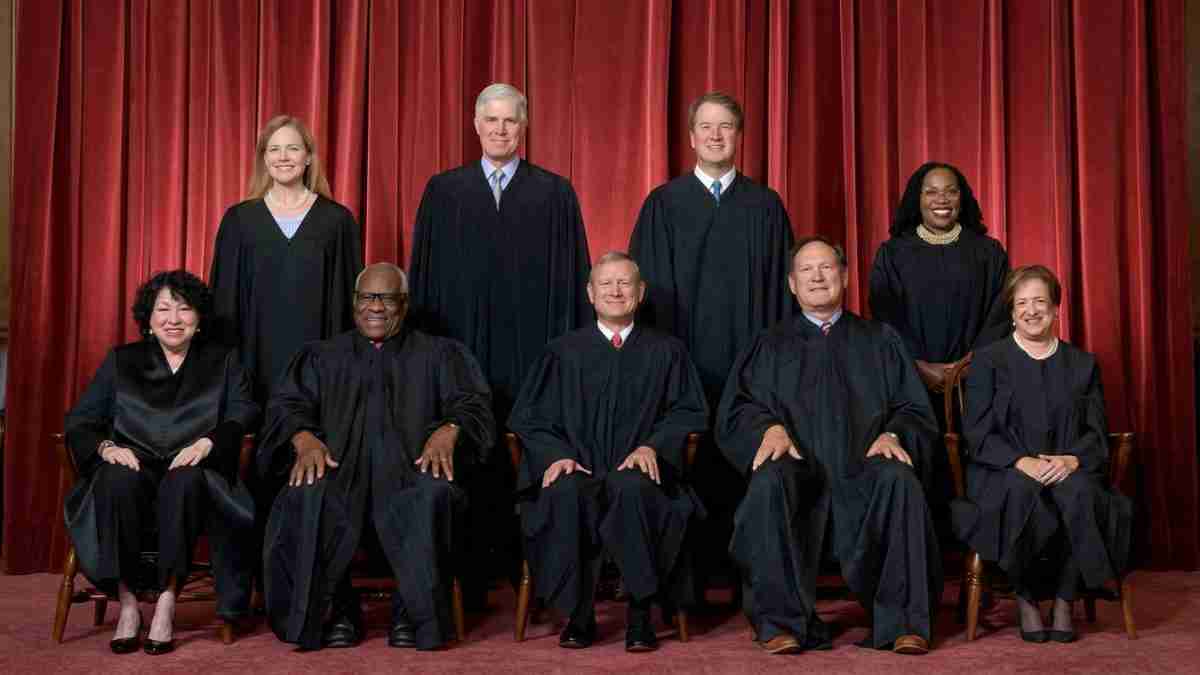
The U.S. Supreme Court on Sept. 10 blocked a federal judge’s order that would have allowed Missouri to use a newer, Trump-backed congressional map in the general election. The unsigned order left in place the Missouri Supreme Court’s ruling that the map adopted after the 2020 census remains in force unless voters approve the newer districts.
The dispute comes after Missouri held its Aug. 4 primary using the newer map. Candidates who won those contests were certified for the November ballot under the district numbers used in the primary. The boundaries of those districts, however, could change before the general election.
The Supreme Court’s brief order did not publicly note any dissents, according to SCOTUSblog, which reviewed the court’s action.
Why are two maps involved?
Missouri’s Republican-led Legislature approved new congressional districts backed by President Donald Trump. The map was used for the August primary.
Opponents, including the group People Not Politicians and referendum organizers including von Glahn, submitted more than 300,000 signatures seeking a public vote on the map. The petition was filed in December 2025.
Missouri Secretary of State Denny Hoskins rejected the petition on Aug. 4, the final day to do so, according to SCOTUSblog. The Missouri Supreme Court later overturned that decision.
On Sept. 3, the state Supreme Court ruled that the petition was legal, sufficient and timely. It said the newer map had not taken effect and would not take effect unless voters approved it at the November general election. That meant the congressional map adopted after the 2020 census remained the operative map for November.
Hoskins designated the referendum as Proposition A on the November ballot, according to the Associated Press report carried by PBS NewsHour.
What happened in federal court?
Missouri Attorney General Catherine Hanaway appealed the state court’s decision to the U.S. Supreme Court. She argued that changing congressional districts between the primary and general elections would violate federal rights. Hanaway also said the state was prepared to comply with a later federal court order requiring use of the newer map.
On Sept. 8, the U.S. Supreme Court declined to disturb the Missouri Supreme Court’s ruling. Soon afterward, U.S. District Judge Stephen Clark issued a temporary restraining order directing Missouri to use the newer districts.
Clark warned that using a different map for the general election could affect the candidates nominated in the primary and the votes already cast. He also said widespread voter confusion would follow.
The Sept. 10 Supreme Court order blocked Clark’s directive. That makes it likely Missouri will use the post-2020-census map for the November election, according to SCOTUSblog.
What does the ruling mean for candidates?
The primary winners remain the nominees selected in August, but the district boundaries tied to their contests may not be the same ones used in November. The supplied court and election reports do not identify all affected candidates or explain how local election authorities will administer ballot assignments if the boundaries change.
The central issue is therefore not whether Missouri held a primary. It did. The issue is which map will define the congressional contests when voters return for the general election.
The Missouri Supreme Court treated the newer map as suspended retroactively from the time opponents submitted the referendum petition. Missouri’s appeal argued that using one map for the primary and another for the general election would create legal and administrative problems.
Proposition A remains part of the November ballot process. If voters approve the newer map, it could take effect under the state Supreme Court’s ruling. The supplied records do not establish the precise procedure or timing for implementing the map after the vote.
The final instructions to local election authorities were not provided in the available court and election reports. Those officials will have to determine how the court’s latest order affects district boundaries, candidate records and November ballots.