
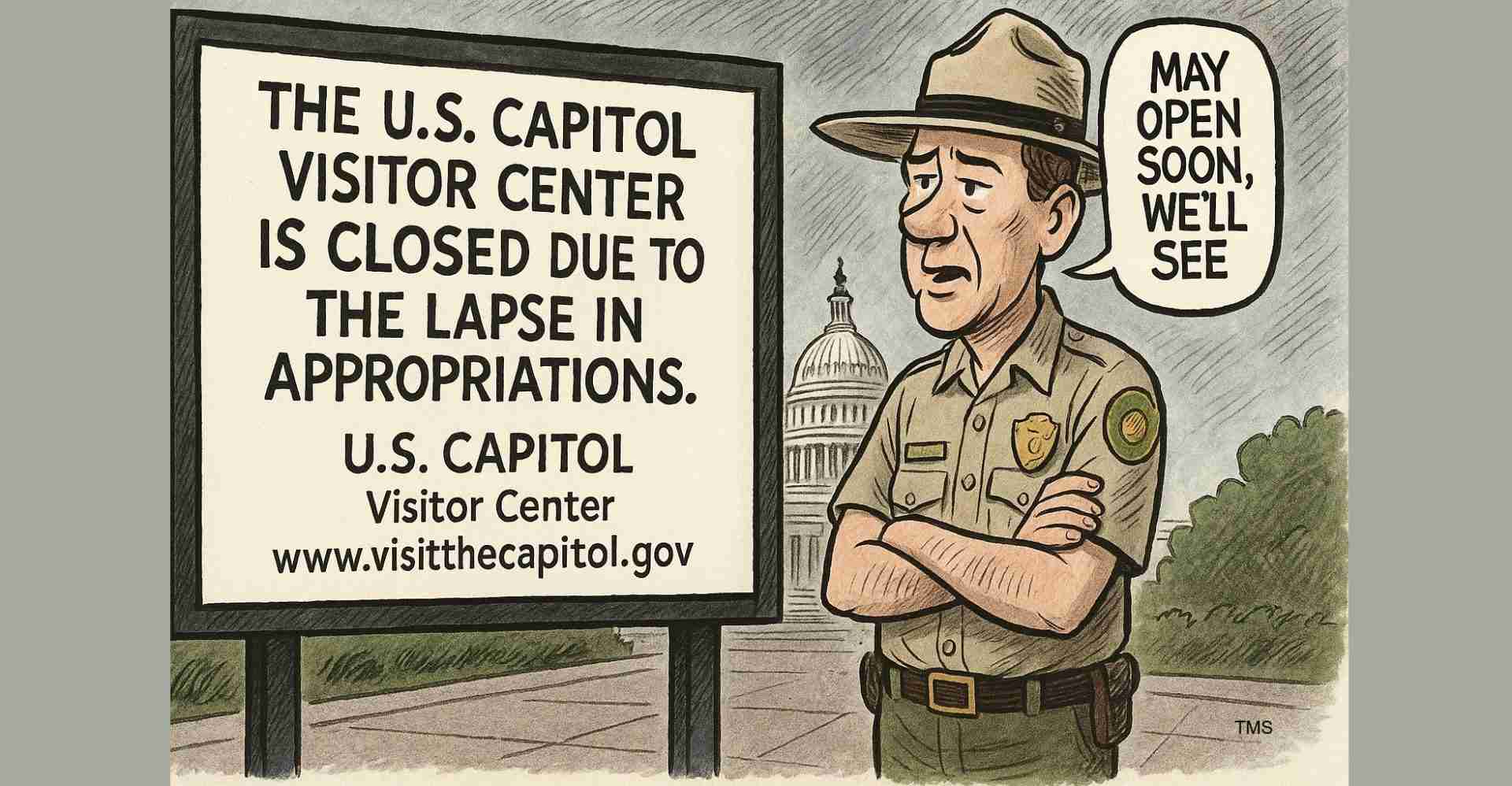
Lawmakers signal first real break in 2025 US government shutdown as talks inch toward temporary funding
Lede: Lawmakers report the first serious movement to end the 38-day 2025 federal shutdown as senators work toward a short-term, clean continuing resolution to restore funding into late January amid disputes over Affordable Care Act subsidies.
- Senators are discussing a short-term “clean” funding bill to extend federal funding into late January while postponing major policy fights (see the Fox News guide).
- Impact is wide but uneven: about 900,000 furloughed employees and roughly 2 million working without pay; key programs like Medicare and Defense largely continue (see the Wikipedia shutdown page and the CBS News report).
- ACA subsidies remain the central disagreement: Democrats press for an extension while House Republicans resist immediate inclusion, imperiling a longer-term resolution (see the Stanton press statement).
Background: how we got here
The shutdown began when Congress failed to agree on appropriations for fiscal year 2026. House Republicans passed a short-term “Band-Aid” bill to keep the government open, but the measure was repeatedly blocked in the Senate. Democrats objected because the House plan did not extend Affordable Care Act subsidies that were temporarily boosted under the American Rescue Plan Act of 2021 (see the Wikipedia shutdown page and a policy explainer from the Daily Campus).
Scope of the impact
Who is affected: About 900,000 federal workers are furloughed and not receiving pay, while roughly 2 million are working without pay — including air traffic controllers and many in safety roles. Public health work at the National Institutes of Health and the Centers for Disease Control has been paused or reduced, and nutrition programs such as WIC have seen disruptions.
Services that have continued include Medicare, Medicaid, Defense operations and most Transportation Security Administration functions, though many have operated under strain (see the Wikipedia shutdown page and the CBS News report).
Recent movement in the talks
This week marked a notable change: senators began drafting amendments to the House bill and discussing a short-term, clean continuing resolution that would restore funding without policy riders. That marks the first sustained bargaining since the shutdown began at midnight on October 1 (see the Fox News guide).
Senate Republicans are working with some moderate Democrats to assemble the 60 votes needed to overcome filibuster hurdles. A central tactic appears to be pledging to delay final decisions on ACA subsidies until after a temporary funding measure passes, hoping to attract Democrats focused on the immediate harms of the shutdown.
“Delay the policy fight; reopen government now” — a negotiating refrain among some lawmakers seeking cross-party support.
The ACA subsidies debate at the center
Democrats argue that expanded ACA subsidies are critical for low- and middle-income Americans and must be extended. They point to the American Rescue Plan Act of 2021 as the source of temporary boosts that many families rely on (see the Wikipedia shutdown page).
House Republicans emphasize spending restraint and oppose automatically extending subsidies without broader reforms. That clash has turned the budget fight into a referendum on health policy and fiscal priorities (see the Stanton press statement and the Daily Campus explainer).
Political pressure and public reaction
Public frustration is increasing as unpaid paychecks and service disruptions mount. Polling shows declining approval for both parties, and local elections this week are being watched as possible inflection points that could change negotiation postures (see an ABC News report).
Moderates in both parties have expressed alarm, and some lawmakers privately say the political cost of a prolonged shutdown may outweigh policy gains — driving renewed efforts to craft a short-term compromise.
Procedural hurdles and the math of compromise
Even if the Senate approves a clean continuing resolution, the measure must return to the House and survive further votes. Hardliners could still block final approval. The key is coalition math: persuading at least five Democrats (or Democratic‑caucusing senators) to reach the 60-vote threshold needed to avoid a filibuster (see the Fox News guide).
A temporary extension buys time but sets a new deadline. If lawmakers do not use the breathing room to reach durable solutions — especially on ACA subsidies — the same disputes could trigger another standoff when the extension expires (see the White House shutdown clock).
Broader context: why shutdowns keep happening
Scholars link recurring shutdowns to deep partisan divides over spending and policy, and to the increasing use of shutdown threats as leverage. Analysts note the tactic has become more common as polarization grows and majorities shrink (see a Harvard Kennedy School HKS explainer and a Brookings article).
That long-term trend helps explain why the 2025 shutdown stretched into its fifth week with little movement. The current shift toward active bargaining may, however, mark the start of a phase focused on temporary funding with promises of later debate on divisive issues like ACA subsidies.
Implications for United States of America
Economic impact: Prolonged uncertainty can slow growth, reduce consumer spending and delay federal contracts — hitting local businesses that rely on federal workers and services (see the CBS News report).
Political consequences: The movement toward a short-term deal tests priorities for moderate conservatives who must choose between policy wins and reopening government, with risks for both sides (see the Fox News guide).
Social effects: Disruptions to programs such as WIC and NIH research have immediate consequences for vulnerable families, children, seniors and those with chronic illnesses (see the Wikipedia shutdown page and the CBS News report).
Practical applications
If a short-term funding bill passes, federal employees should expect back pay for missed work and disrupted services to begin resuming. State agencies dependent on federal funds would get breathing room to plan. Households and businesses should still prepare for the possibility of renewed disputes when the new deadline arrives (see the White House shutdown clock).
Reporting notes and sources
This report draws on current coverage and public briefings, including background summaries and contemporary reporting on the 2025 US federal government shutdown (Wikipedia shutdown page), analysis of emerging dealcraft and vote math (Fox News guide), statements from House offices (Stanton press statement), explanatory pieces on shutdown mechanics (Daily Campus explainer), reporting on agency and worker impacts (CBS News report), coverage of mounting public and electoral pressure (ABC News report), the White House shutdown tracker (White House shutdown clock), and academic analysis of shutdown causes (HKS explainer; Brookings article).
Outlook: Lawmakers and staffers say votes could come as soon as this weekend if negotiators can line up the necessary support in both chambers. The coming days will show whether this shift in tone becomes a turning point or merely a temporary pause before the next round of the ACA subsidies debate and broader budget fights.



