
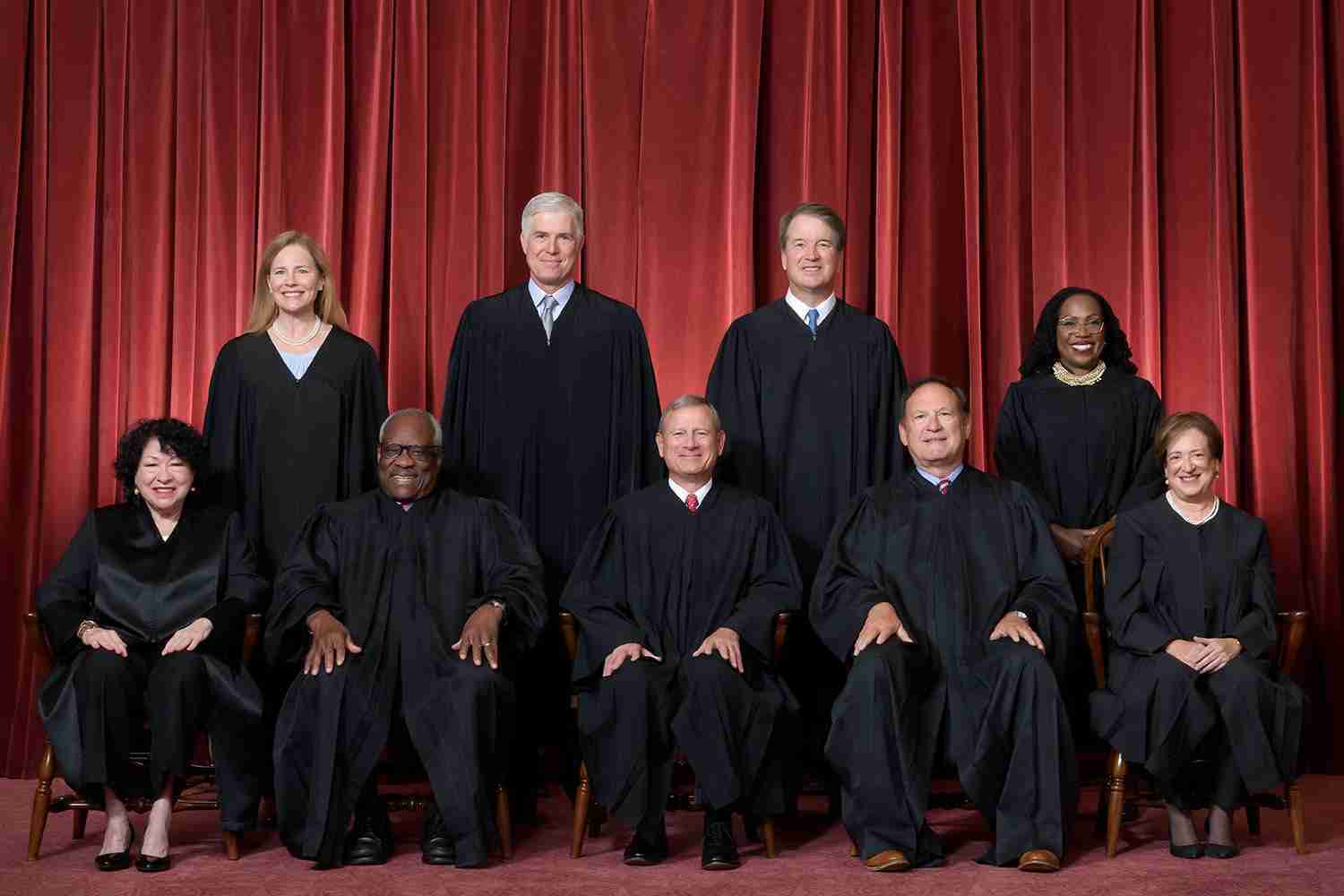
Supreme Court Blocks Lower Court Order Forcing Trump Administration to Fully Fund SNAP
The Supreme Court issued an emergency order temporarily blocking a lower court ruling that would have required the Trump administration to fully fund SNAP, pausing benefit restorations while higher courts review the legal challenge affecting millions of Americans.
Key takeaways
- Emergency pause: The Supreme Court issued an emergency order temporarily blocking the lower court’s directive to restore full SNAP funding (source).
- Lower-court ruling: A federal judge had ordered restoration of benefits reduced under the Trump administration’s changes (source).
- Procedural stay, not merits: The order preserves the status quo while courts review the underlying legal issues; it is not a final decision on the merits (source).
Main content
What the Supreme Court’s emergency order does
The emergency order pauses the lower court’s instruction that the Trump administration immediately restore full SNAP benefits. Practically, the funding levels and regulatory changes in place before the lower court’s order remain effective for now.
The Court’s action is procedural: it preserves the status quo while federal judges consider broader legal questions. This is a temporary stay, not a ruling on whether the lower court was correct (source).
Why the Trump administration appealed
Officials argued the lower court’s order would interfere with executive regulatory authority and disrupt agency operations. The administration contended that emergency remedies should not force immediate programmatic reversals while policies are under administrative review, prompting an emergency appeal after the appeals court refused a stay (source).
The appeals court decision and the lower court’s ruling
The lower federal court concluded that recent SNAP changes unlawfully reduced benefits for some recipients and ordered a return to prior funding levels. The administration appealed, but an intermediate appeals court declined to stay the lower court’s order, leading to the Supreme Court emergency filing (source).
What is at stake for SNAP recipients
SNAP supports millions of low-income Americans who rely on monthly benefits to buy groceries. The lower court’s order would have restored benefits to pre-change levels; with the Supreme Court’s temporary block, promised restorations will be delayed and recipients must await further rulings.
“Advocates say predictable benefits are urgent; the administration warns reversals could disrupt program management.”
States and beneficiaries face uncertainty: notices of increased benefits or restorations may not take effect while litigation continues (source).
Legal and procedural context
Emergency orders from the Supreme Court are typically narrow and temporary. They halt lower court actions while higher courts review legal questions and do not signify the Court’s view on the final merits. The dispute raises central administrative-law issues about the scope of executive discretion and when courts can mandate immediate relief (source).
What comes next in the courts
With the emergency order in place, the case proceeds through the appeals process. The Supreme Court may later decide whether to grant full briefing and argument. Until then, the emergency pause keeps the lower court’s directive on hold while courts consider the legal issues (source).
Implications for federal agencies and future rulemaking
A resolution favoring the lower court could empower courts to require immediate relief when agencies are found to have acted unlawfully. A ruling for the administration could reinforce executive latitude in implementing policy changes. States that run SNAP programs may face planning, administrative cost, and communication challenges if rules shift during litigation (source).
Reporting and sources
This report is based on available reporting about the Supreme Court’s emergency order as of November 2025. The primary publicly available account referenced is an online briefing. Additional court filings and opinions, when released, will provide more detail about the procedural posture and legal arguments.
Implications for United States of America
Economic impact
Millions rely on SNAP; delays in benefit restorations affect household budgets and local grocery sales. Full SNAP funding boosts consumer buying power and supports jobs in retail and food sectors. Prolonged litigation could sustain economic uncertainty for families and businesses.
Political consequences
The case underscores tensions between executive policy choices and judicial oversight. It may be used by parties to argue for stronger executive control or for robust judicial checks on agency action, especially during transitions between administrations.
Social effects
Uncertainty affects vulnerable populations — children, seniors, and people with disabilities. Interruptions in benefits can increase food insecurity and push greater demand onto food banks and charities.
Cultural relevance
SNAP remains politically sensitive. Conservative readers may focus on program efficiency and fiscal stewardship, while others emphasize protecting the safety net for low-income families. The litigation highlights competing priorities in public policy debates.
Practical applications for residents and state agencies
- SNAP recipients: Continue to follow notices from your state SNAP office. Benefit levels in place today remain effective due to the Supreme Court’s emergency pause.
- State agencies: Document administrative costs tied to program changes and communicate clearly with beneficiaries about benefit status.
- Policymakers and legal observers: Monitor filings and opinions at the appeals and Supreme Court levels; future legal reasoning may affect rulemaking and litigation strategies.
Military, legal, and administrative stakeholders will watch how courts balance immediate relief for recipients against orderly governance and agency discretion. The Supreme Court’s emergency order maintains the status quo while larger legal questions are decided (source).



