
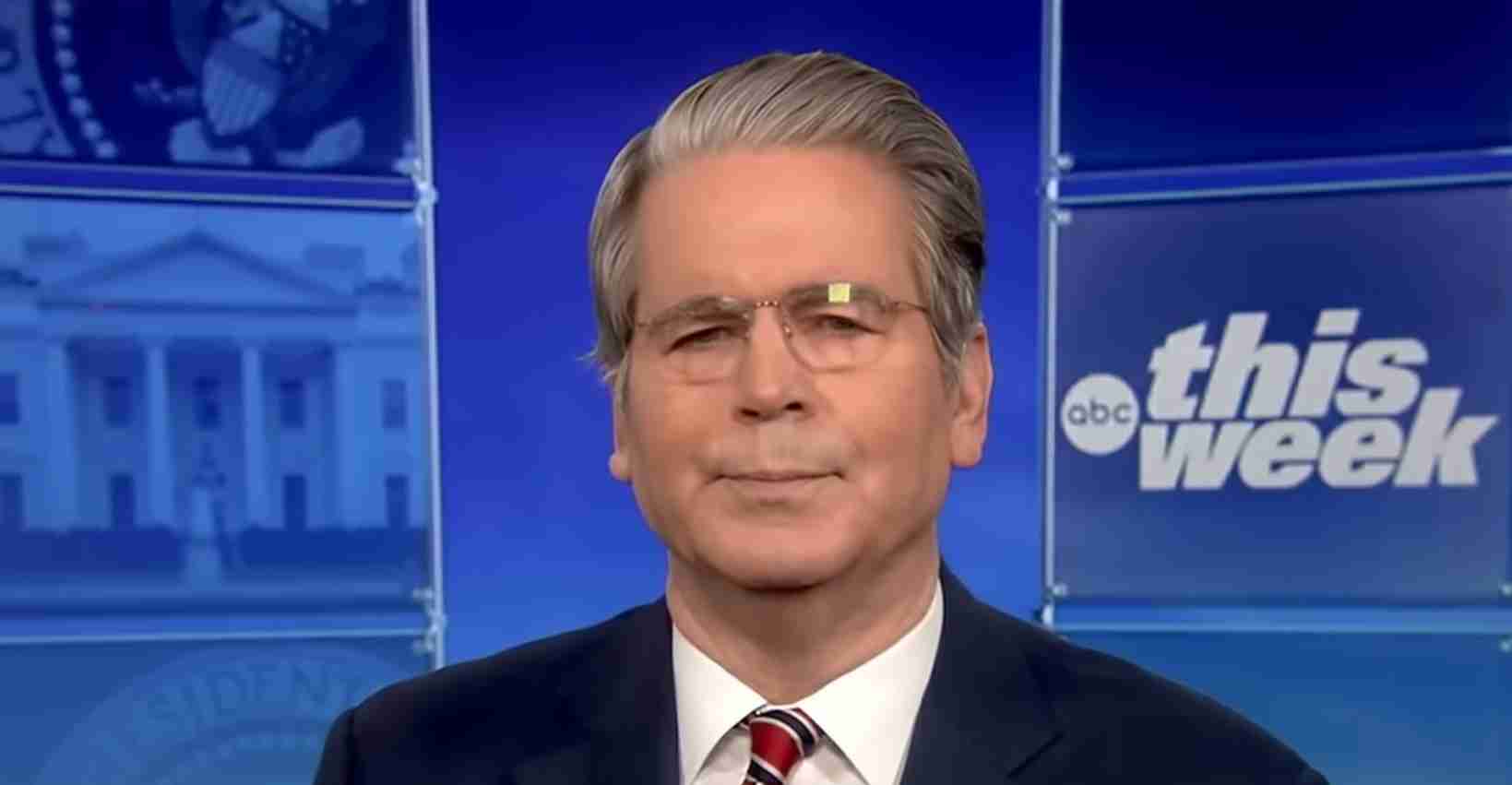
Bessent Confronts Stephanopoulos on ‘GOP Terrorists’ Line From 1995 Shutdown on ABC’s This Week
Treasury Secretary Scott Bessent confronted ABC anchor George Stephanopoulos on the November 9, 2025 This Week broadcast, pressing him about alleged 1995-shutdown remarks that described Republicans as “terrorists,” and sparking a heated on-air exchange over partisan messaging.
- Bessent directly challenged Stephanopoulos on air about remarks tied to the 1995 shutdown; coverage cited Fox News, The Daily Beast, and NewsBusters.
- The contested phrasing traces to a 2000 interview Stephanopoulos gave (reported in contemporary coverage) describing Clinton-era messaging about the 1995-96 shutdowns.
- The exchange grew heated with overlapping remarks as the discussion shifted back to current shutdown negotiations and potential bipartisan paths forward.
The on-air exchange on This Week
On the November 9 segment, Bessent framed his line of questioning as a matter of credibility amid a fresh government shutdown, telling Stephanopoulos he had compiled the anchor’s past quotes and pressing whether that language had shaped public perception of the 1995 crisis. Stephanopoulos pushed back, calling the claim a mischaracterization of history and urging focus on the present negotiations.
“I can disagree with you about the history there, but we don’t have a history lesson right now.” — George Stephanopoulos
Bessent interrupted with a direct challenge: “No, no, no. George, George, George. If you want, I’ve got all your quotes here, George.” The segment escalated into raised voices and overlapping remarks before returning to policy questions. Coverage of the clash appears in outlets such as Fox News and The Daily Beast.
Where the “terrorists” quote comes from
Bessent pointed to a passage reported from a 2000 FRONTLINE interview in which Stephanopoulos described the Clinton team’s communications strategy about the 1995-96 shutdowns. Media reports quoting that segment say Stephanopoulos described efforts to tell voters that Republicans were “blackmailing the country” and that “we were trying to say that they were basically terrorists, and it worked.” That phrasing was the passage Bessent cited on air and is documented in contemporary reporting, including Fox News.
Background: Stephanopoulos and the 1995 government shutdown
George Stephanopoulos served as a senior adviser to President Bill Clinton during the 1995 and 1996 shutdowns. The Clinton White House sought to shape public opinion by arguing that the Republican congressional majority, led by Speaker Newt Gingrich, bore responsibility for the shutdown over budget disputes. Stephanopoulos later reflected on communications strategy in interviews and his memoir All Too Human: A Political Education, noting how the team framed the Republican approach as extreme brinkmanship (context and reporting referenced by Fox News and The Daily Beast).
Why Bessent raised the history
Bessent argued the historical messaging mattered for credibility in the present shutdown, saying past choices showed a pattern of assigning blame with stark language to sway voters. On air he suggested a practical solution — urging five moderate Democratic senators to cross the aisle — using the 1995 context to underscore negotiation paths rather than just messaging wins. This framing was highlighted in contemporaneous coverage such as Fox News and The Daily Beast.
Media coverage and the shouting-match label
Multiple outlets described the segment as an “eruption” or “shouting match”, with conservative and right-leaning sites emphasizing Bessent’s confrontation and the “terrorists” language, while other outlets focused on the chaotic tenor and the larger shutdown story. Observers noted the moment drew attention not only to the contested words but to how historical political strategy is resurrected in present debates. Examples include reporting from Fox News, The Daily Beast, the Daily Caller, AOL, and NewsBusters.
Implications for United States of America
Political trust and media credibility: The exchange highlights how past statements by aides and journalists are revived in crises; a senior official challenging a network anchor on live TV raises questions about media neutrality and perceived advocacy.
Negotiations and public framing: Framing affects leverage in budget talks; if one side successfully paints the other as responsible, public pressure shifts and could influence senators’ votes.
Partisan dynamics ahead of elections: Shutdown narratives can influence turnout and candidate fortunes as parties repurpose history to rally bases or sway undecided voters.
Public services and daily life: Regardless of rhetoric disputes, shutdowns have immediate effects on paychecks, services, and businesses — a practical problem that messaging alone does not solve.
Reporting and sources
This report draws on accounts of the November 9, 2025 This Week segment and background reporting in multiple outlets, including Fox News, The Daily Beast, NewsBusters, the Daily Caller, and AOL. Specific pieces include Fox News coverage of the confrontation and The Daily Beast’s account of the heated exchange.
Note: Quotations and contextual references are drawn from the cited contemporary reporting and Stephanopoulos’s past interviews and memoir as referenced above.



