
Florida AG Probes JPMorgan Chase Over Alleged De-Banking of Trump Media as Questions Arise About “Operation Arctic Frost” Subpoenas
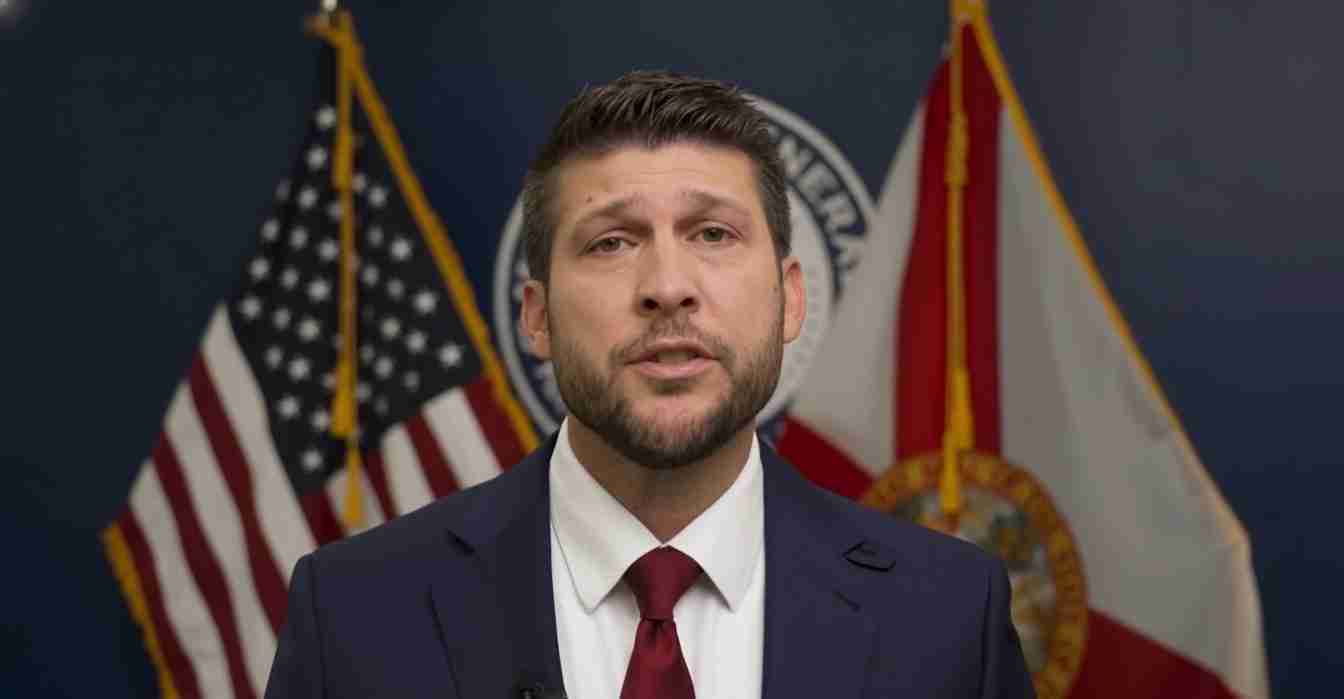
Florida Attorney General James Uthmeier has opened an investigation into JPMorgan Chase over allegations the bank closed accounts used by Trump Media & Technology Group around its public listing, probing possible coordination with DOJ subpoenas dubbed “Operation Arctic Frost.”
- AG inquiry: Uthmeier has launched a probe into JPMorgan’s handling of Trump Media & Technology Group, citing potential political motivation and timing concerns tied to the company’s public listing.
- Subpoena scrutiny: The probe examines whether JPMorgan shared records with the DOJ under subpoenas related to what the AG calls “Operation Arctic Frost”, raising legal and procedural questions.
- Legal grounds: Florida anti-debanking, civil and criminal anti-fraud statutes will be used to evaluate whether the bank’s actions violated state law.
What Uthmeier is alleging
Attorney General James Uthmeier says his office has obtained disclosures and documents that suggest JPMorgan conducted heightened scrutiny of Trump Media & Technology Group (TMTG) and subsequently severed the banking relationship at a critical time. Uthmeier’s public statements and a letter reference a March 28, 2023 subpoena from the Department of Justice seeking “any and all records” related to TMTG, including materials predating the company’s formal existence. The AG contends that the sequence — subpoena cooperation followed by account closures — is suspicious and may reflect impermissible influence or politically motivated action.
Reporting cited by the AG and media includes coverage from CBS12, Fox Business, and Daily Wire.
Timeline and background reported by the AG’s office
According to filings and public reporting cited by Uthmeier, TMTG incorporated in Florida and established accounts with JPMorgan soon after. The DOJ subpoena in March 2023 sought broad records. After TMTG completed a merger in March 2024 that resulted in a public listing under the ticker DJT, JPMorgan reportedly notified TMTG it would close its accounts. Uthmeier calls the timing “highly suspicious,” noting the bank’s move occurred just as the company was handling significant deposits and transactional volume.
TMTG and former President Donald Trump’s representatives have publicly claimed that JPMorgan and other banks declined to accept more than $1 billion in deposits from the company, necessitating distribution of those funds across smaller institutions. Those claims and the timing of account closures prompted heightened scrutiny from the AG’s office and outside observers.
JPMorgan’s response and stated policies
JPMorgan Chase has acknowledged that it responds to government subpoenas and emphasized it “follows the law in responding to subpoenas from the government and will continue to do so.” The bank has denied de-banking customers for political reasons, while also acknowledging broader policy concerns that can lead banks to be overly cautious. JPMorgan stated it is “terrible that people can lose their bank accounts because of broken policies that encouraged banks to be overly cautious,” but insisted political views are not part of account decision-making.
See coverage from Fox Business and Daily Wire for direct statements and reporting.
Legal grounds cited by the AG
Florida has enacted statutes designed to limit wrongful “de-banking” and protect consumers and businesses from losing financial services based on political speech or affiliation. Uthmeier has directed the Office of Statewide Prosecution and Enforcement to preserve records and investigate potential violations of state criminal and civil anti-fraud laws as well as de-banking prohibitions. The AG’s office says it will “prosecute any wrongdoing to the fullest” if violations are found.
Subpoenas and the role of the DOJ
Central to the investigation is disclosure to the Senate Judiciary Committee that Special Counsel Jack Smith subpoenaed JPMorgan for broad records related to TMTG, including data predating TMTG’s formation. Uthmeier says the nature, scope and use of those subpoenas — which his office refers to as tied to “Operation Arctic Frost” — should be reviewed to determine whether they were lawfully sought and whether any subsequent bank actions were influenced by government pressure.
Local coverage and follow-up reporting include KFOX-TV and Fox Business.
Scope and current status of the investigation
Uthmeier’s probe is in its early stages. The AG’s office has tasked prosecutors with preserving communications, subpoenas, bank records and other documents connected to JPMorgan’s treatment of TMTG accounts. To date, no formal charges or findings have been announced. Investigators will assess whether civil or criminal statutes were violated and whether further action is warranted.
News reports summarizing the investigation and its status include pieces by Newsmax and CBS12.
Why this matters nationally
The inquiry intersects banking practices, government subpoenas and partisan politics. If banks close accounts because of political viewpoints or in response to government requests without proper legal basis, that could chill speech and commercial activity for politically active entities. The probe may influence how banks balance risk controls, regulatory compliance, and political neutrality — and could prompt legislative attention beyond Florida.
Potential effects include:
- Economic: A finding against a major bank could prompt industrywide compliance changes and shift deposits to smaller institutions or fintech firms.
- Political: The case may fuel national debate over alleged biases within financial institutions and law enforcement.
- Social: Public trust in banks and government investigations may be affected if customers fear losing services for political reasons.
Relevant reporting and public documents
Investigative reporters and readers should monitor statements from the Florida Attorney General’s office and public filings from JPMorgan Chase and Special Counsel Jack Smith for new documents, subpoenas, and disclosures. The probe raises ongoing questions about de-banking motivations, the scope of Operation Arctic Frost subpoenas, and banks’ obligations when serving high-profile customers.


