FAA lifts flight restrictions as air traffic control staffing rebounds; Duffy credits Trump for rapid controller return
The FAA will lift all emergency flight restrictions Monday, Nov. 17, 2025, at 6:00 a.m. EST, after air traffic control staffing rebounded following a prolonged government shutdown, allowing commercial airlines to resume regular schedules and ease travel disruptions.
- Restrictions end nationwide: FAA cancels emergency limits effective Nov. 17, 6:00 a.m. EST, allowing commercial carriers to resume regular schedules (KUTV, Economic Times).
- Safety-driven, staged rollback: Limits introduced Nov. 7 (10% cap at 40 airports) were eased to 6% then 3% as staffing-trigger events declined (FAA emergency order; FAA November 14 addendum).
- Credit and consequences: Transportation Secretary Sean P. Duffy credited former President Trump’s public pressure for helping prompt a rapid return of controllers, while the FAA will review possible carrier non-compliance for enforcement actions (Transportation Department briefing; KUTV).
Main story
The Federal Aviation Administration announced the cancellation of its emergency flight restrictions after a sustained recovery in air traffic control staffing. Officials said safety metrics — not politics — determined the timeline, citing a steady decline in staffing-trigger events and a favorable review of airspace risk trends.
Background: why restrictions began
The FAA first imposed emergency limits on Nov. 7, limiting operations at 40 major airports by up to 10% after a prolonged government shutdown left many air traffic controllers working without pay and some missing two paychecks. With fewer controllers on duty, the agency determined system risk rose and cut operations to reduce stress and keep pilots and controllers from being overloaded (FAA emergency order).
Staffing triggers and safety incidents
At the crisis’s height, the Transportation Department reported a sharp rise in “staffing triggers” — days when facilities lacked sufficient controllers to operate normally — peaking at 81 in a single day. Those reports included close-proximity events and runway incursions cited by officials as justification for limits (Transportation Department briefing).
How the rollback unfolded
The FAA eased restrictions in stages as staffing improved: from a 10% cap to 6% and later to 3%, before canceling the emergency order entirely. Agency documents and an addendum outline the timeline and safety data that informed the decision (FAA November 14 addendum).
“Our safety team recommended lifting the restrictions only after a sustained decline in staffing-trigger events and a favorable review of airspace safety trends,” FAA officials said.
Role of incentives and pay
Officials said promises of swift backpay helped bring controllers back. The Transportation Department announced measures to restore pay quickly, including restoring 70% of pay within 48 hours as the shutdown ended — a move officials say encouraged a rapid return to duty and enabled fuller operations sooner (Transportation Department briefing).
Political and leadership responses
Transportation Secretary Sean P. Duffy publicly credited former President Donald J. Trump with influencing the quick return of controllers. Duffy said, “President Trump’s message has been heard loud and clear: controllers will be made whole quickly…our air traffic control staffing surge…makes us comfortable with pausing the reduction schedule to review the airspace,” adding thanks to lawmakers who helped end the shutdown (Transportation Department statement).
News reports and video captured public calls from the former president urging controllers to return; one reporting outlet, KSL, documented the direct appeals and associated coverage (video).
Safety first: FAA oversight
FAA officials emphasized that safety metrics — not political pressure — determined the timing of the rollback. The agency reported staffing-trigger events declined steadily and operational reviews showed a return to acceptable risk levels. The FAA will continue close monitoring and said it would not hesitate to reimpose limits if safety indicators worsen (FAA documents).
Impact on travelers and airlines
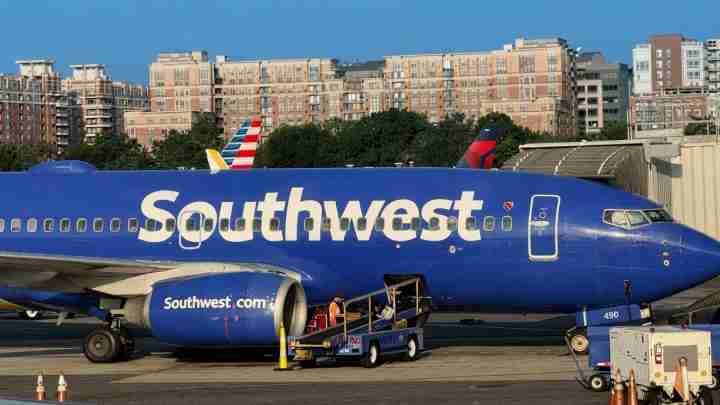
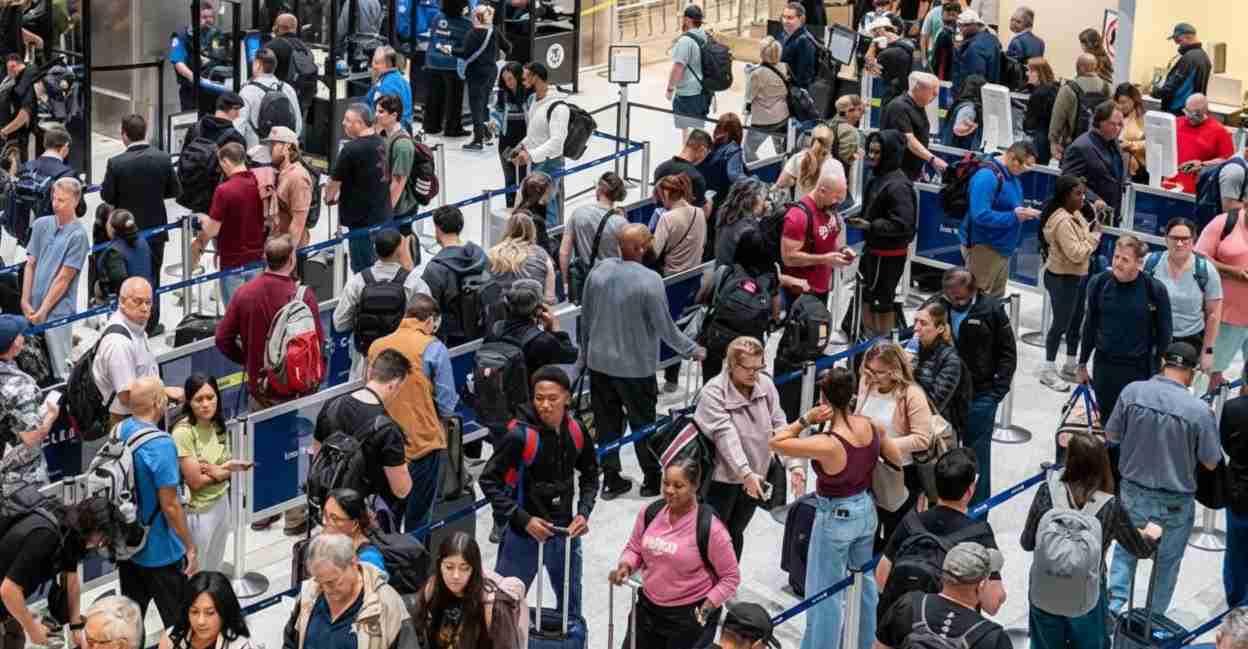
The cutbacks caused heavy disruption — at the peak, more than 2,900 cancellations occurred in a single day, intensifying holiday travel concerns (KUTV). Airlines are rescheduling, re-staffing, and working to clear backlogs so that operations can normalize in time for Thanksgiving. Travelers should check with carriers directly for updated itineraries.
Investigations and outstanding issues
The FAA signaled it will review reports of carrier non-compliance during the restriction period and may pursue enforcement where warranted. Monitoring will continue and operational limits could be reintroduced if staffing declines or safety markers deteriorate. Union leaders and industry sources are calling for longer-term fixes to controller staffing, pay, and retention.
Alternative perspectives
While Secretary Duffy credited former President Trump’s messaging for helping restore controller attendance, the timeline also reflects bipartisan legislative action and executive measures to restore pay quickly. Multiple actors — the executive branch, Congress, FAA leadership and controllers themselves — contributed to bringing staffing back to safe levels. Video recordings and reporting capture both political pressure and legislative votes in the turnaround (video; KSL).
Implications for the United States
Economic: Restoring full schedules removes a near-term disruption to commerce. Airlines, airports and travel-dependent businesses can begin recovering lost revenue ahead of the holiday season.
Political: The episode underscores how budget and political disputes can quickly affect operational systems and may prompt calls for reforms to protect essential services during funding fights.
Social: Millions of travelers gain greater certainty, though lingering backlog and rescheduling may persist. The crisis highlighted human costs for public employees and travelers alike.
Practical advice
- Check itineraries: Verify flight status directly with your carrier as airlines reschedule and reassign crews and aircraft.
- Arrive early: Expect higher airport loads while backlogs are cleared.
- Employers: Confirm business travel plans and maintain flexibility for employees during the system’s recovery.
Source links for reference
- KUTV
- Economic Times
- Transportation Department briefing
- KSL
- FAA emergency order cancellation/replacement
- FAA November 14 addendum
- Video — Transportation Department briefing excerpt
- Video — Trump public remarks
Note: The FAA will continue to publish status updates online; travelers and stakeholders are urged to follow official channels and carrier notices as the system stabilizes.