Hidden homeownership costs surge to more than $21,000 a year, tightening the squeeze on buyers
Homeownership in the U.S. now carries large extra bills beyond the mortgage, averaging over $21,000 annually in 2025, driven by rising insurance, maintenance and property taxes — costs many buyers fail to anticipate financially today.
- Average hidden costs: About $21,400 per year nationwide in 2025, per the Bankrate study.
- Insurance jump: Homeowners insurance premiums have risen roughly 48% since 2020; nationwide average now about $2,267 annually, per Bankrate.
- Maintenance burden: Routine upkeep is the largest surprise, typically $8,800–$11,000 yearly depending on state and home age (see Bankrate and local reporting in Axios).
Rising bills beyond the mortgage
Buyers often focus on monthly mortgage payments and interest rates, but those are just part of the financial picture. When combined with maintenance, homeowners insurance, property taxes, utilities and other recurring fees, the full cost of ownership rises sharply.
A Bankrate study that compiled national averages and state-by-state estimates found hidden homeownership costs now top $21,000 a year on average. Local analyses mirror this trend; reporting in Portland highlighted how aging housing stock and inflation pushed maintenance bills higher in some markets (Axios).
Home maintenance: the largest surprise
Maintenance is the single biggest hidden cost homeowners face. Bankrate reports typical annual maintenance costs near $8,800 nationally, with some estimates approaching $11,000 depending on house age and state conditions. These expenses are not optional: roof repairs, HVAC replacement, plumbing failures and other emergencies can quickly balloon bills.
“Two main forces are lifting maintenance bills: an aging housing stock and higher parts and labor costs,” local reporting and the Axios analysis note.
Homeowners insurance premiums jump
Insurance costs have spiked nationwide. Since 2020, premiums climbed roughly 48%, driven by more frequent severe weather and sharply higher rebuilding costs. Bankrate puts the national average homeowners insurance bill at about $2,267 per year.
Insurers are responding to larger losses from hurricanes, wildfires and floods and increasing material and labor costs. Buyers in high-risk areas may see even larger increases or face coverage difficulties — a recurring, often overlooked cost that tightens monthly budgets.
Property taxes and local increases
Property taxes add materially to the annual bill. Bankrate lists average annual property tax costs near $4,300 nationally, though figures vary sharply by state — for example, averages above $7,000 in some expensive states.
Tax assessments, local levies and ballot measures can push taxes higher over time. Surveys show many homeowners are surprised by year-over-year increases: American Home Shield finds 26% were shocked by rising property taxes.
Utilities, connectivity and other costs
Beyond maintenance, insurance and taxes, homeowners face regular bills for energy and connectivity. Bankrate reports average annual utilities and energy costs around $4,494, and internet/cable averaging about $1,515. Climate and region drive wide variation: heating or cooling needs can push energy bills much higher in some states.
Regional patterns and sharp differences
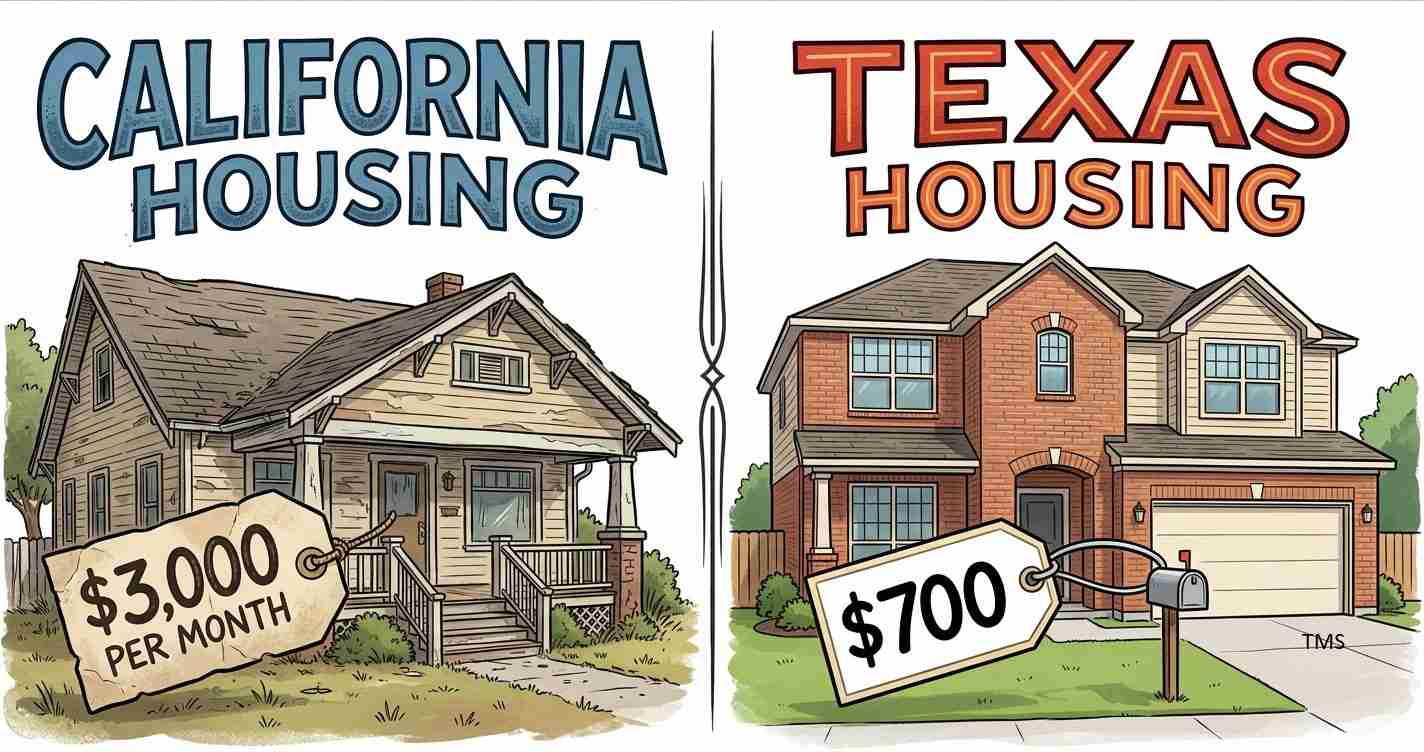
Hidden homeownership costs differ sharply across states. Bankrate‘s state-by-state breakdown shows Hawaii and California topping the list with averages above $30,000 a year, while states such as West Virginia and Mississippi sit below $15,000. Local reporting, including Axios, highlights how aging housing stock and climate risk shape local bills.
Homeowner regrets and preparedness
Many owners wish they had planned better. According to an American Home Shield survey, 56% did not budget enough for repairs, 17% had no savings for fixes, and 15% were surprised by renovation costs. Owners report spending an average of seven hours a week on maintenance and over a quarter feeling overwhelmed.
“There is a clear gap between expectations and reality — many buyers model mortgage payments but fail to include larger, periodic costs,” experts warn.
Drivers of the increase: why costs are rising
- Aging housing stock: Older homes need major repairs and system replacements (Axios).
- Inflation: Materials and contractor rates rose, making routine repairs more expensive (Bankrate).
- More severe weather: Hurricanes, wildfires and floods increase insurer losses and premiums (Bankrate).
Implications for the United States
Economic impact: Rising hidden costs reduce disposable income, forcing families to cut spending, delay savings or struggle with mortgage payments. In high-cost states, an extra $10,000–$15,000 annually can make housing unaffordable for middle-income buyers.
Political consequences: Property tax and insurance hikes are politically sensitive. Policymakers may face pressure for tax relief, reassessment reforms or disaster mitigation funding (Bankrate).
Social effects: Financial strain can shift life choices — delaying children, taking longer commutes, or staying rented longer. Lower-income homeowners risk falling behind on repairs, creating safety hazards and reduced neighborhood values (American Home Shield).
Practical advice for buyers and owners
Prospective buyers should build fuller budgets that include maintenance, realistic insurance premiums and property tax expectations. Experts recommend:
- Maintain an emergency home fund covering up to a year of hidden costs.
- Shop for competitive insurance and verify coverage limits and exclusions (Bankrate).
- Get thorough home inspections and prioritize preventive maintenance to avoid large future bills (American Home Shield).