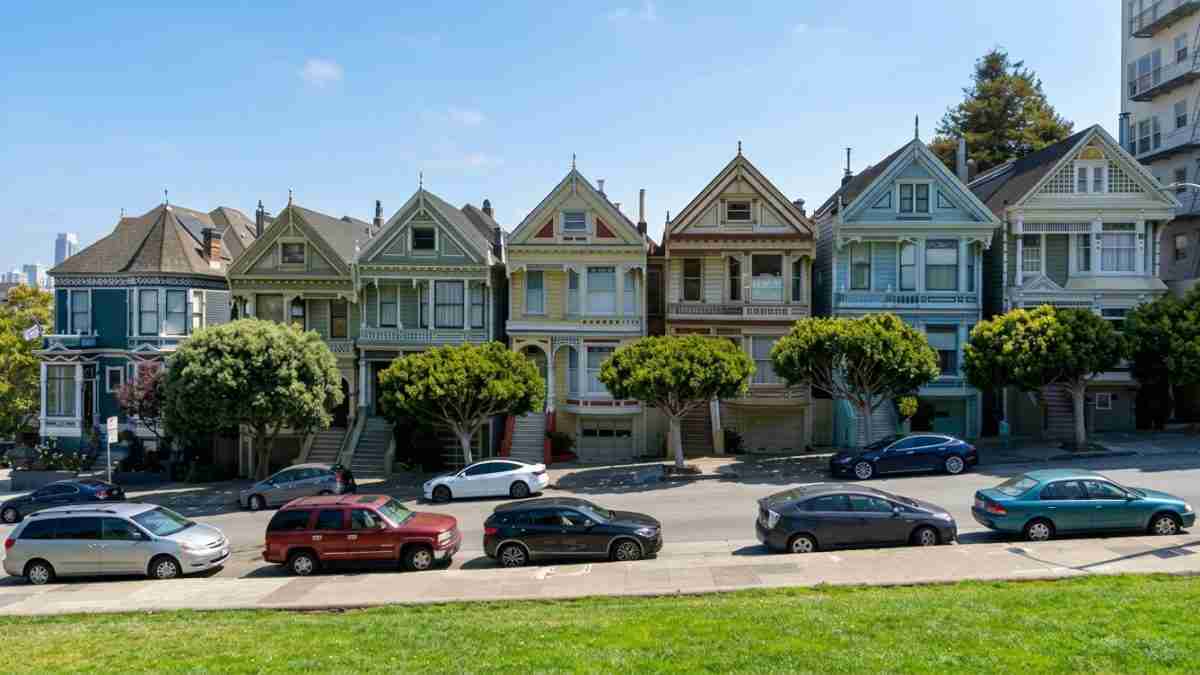
SAN FRANCISCO, July 24 (San Francisco News Online) — San Francisco’s housing market is in a sharp upswing, with several market trackers saying prices are at or near record highs in 2026. The biggest reason, according to Redfin and Compass data cited in recent reports, is the same force reshaping the city’s job market: the AI boom.
That boom has created a split market. High-end homes are flying. Lower-priced homes are not keeping up. And experts say the run-up could cool only if the flow of AI money slows or if more homes come onto the market.
What is happening in San Francisco’s housing market?
Redfin data cited by BBC showed San Francisco house prices rising 19% year over year in March 2026, then 14.5% in April and 14.1% in May. Redfin said the city’s median sale price reached a record $1.76 million in May.
Compass data cited by Bloomberg and The Los Angeles Times showed an even higher median house price of $2.15 million in March, also a record. Compass said condo prices rose to $1.36 million, just below the spring 2022 peak.
Redfin data also showed San Francisco regained the title of the most expensive U.S. city for homebuyers in March, passing San Jose.
What does “median” mean?
The median is the middle price in a set of sales. It is different from the average. In housing, the median is often used because a few very expensive sales do not skew it as much.
Different reports can show different prices because they may use different months, different types of homes, and different geographic areas. Some figures track city house sales, some track condos, and some cover the larger metro area.
Why are prices so high?
Market watchers point to AI-driven wealth, hiring, and the hope of future stock market windfalls.
Daryl Fairweather, Redfin’s chief economist, told BBC that buyers in the area are “flush with cash and ready to buy.” Redfin’s data, as cited by Fortune, showed that since ChatGPT launched in November 2022, Bay Area luxury home prices rose 13.4% while lower-end Bay Area home values fell 3.8%.
Compass chief economist Mike Simonsen told The Guardian that demand is being driven by “migration and hiring, as well as preparing for mega IPOs.” Reports on the market have also pointed to companies such as OpenAI and Anthropic as part of the city’s new wealth engine.
In plain terms, the AI sector is bringing in highly paid workers and creating paper wealth for founders, investors, and employees. That can push up demand for homes quickly, especially in neighborhoods with limited inventory.
How tight is supply?
Very tight, according to Compass data.
The Los Angeles Times reported that listings were down 28% year over year in March, homes sold for 23% above asking price on average, and properties stayed on the market an average of 20 days.
That matters because homes are selling above asking, not just at high list prices. When a house lists for one price and closes for more, the difference shows how competitive the bidding is.
The Guardian reported, based on Compass data, that more than 140 San Francisco homes sold for at least $1 million above asking in the first half of 2026, including 44 in June alone. Compass also said there were only eight such sales in the first seven months of 2025 and six in the first half of 2024.
What does this say about the market?
It suggests the city’s market is being pulled upward by a small but very wealthy slice of buyers, while supply stays limited. That can leave entry-level and middle-tier buyers with fewer options and more competition.
It also helps explain why some parts of the market are rising much faster than others. The luxury segment is moving on AI wealth and stock-market hopes. Lower-price homes are not seeing the same boost.
When could the surge end?
No source can say exactly when the market will cool.
Experts interviewed in the cited reports point to a few possible pressure points: slower AI hiring, less new wealth from the sector, a weaker IPO pipeline, or more homes coming up for sale.
Coldwell Banker agent Jeremy Rushton said a downturn could happen if inventory returns to more typical levels, adding that there is often more supply after Labor Day, though he said it is unclear whether that pattern will repeat this year.
For now, though, the broad picture is clear: San Francisco’s housing market is still being powered by AI money, and the usual brakes on home prices have not caught up yet.