
Noem urges sweeping travel ban after DC National Guard attack, cites vetting failures and strains on U.S. resources
Homeland Security Secretary Kristi Noem urged a sweeping expansion of U.S. travel restrictions after an attack in Washington, DC, in which an Afghan national allegedly killed one National Guard member and critically wounded another, citing vetting failures and resource strains.
Key takeaways
- Noem called for a “full travel ban” on nations she says are sending dangerous migrants; her remarks are posted publicly as video and on X via her office.
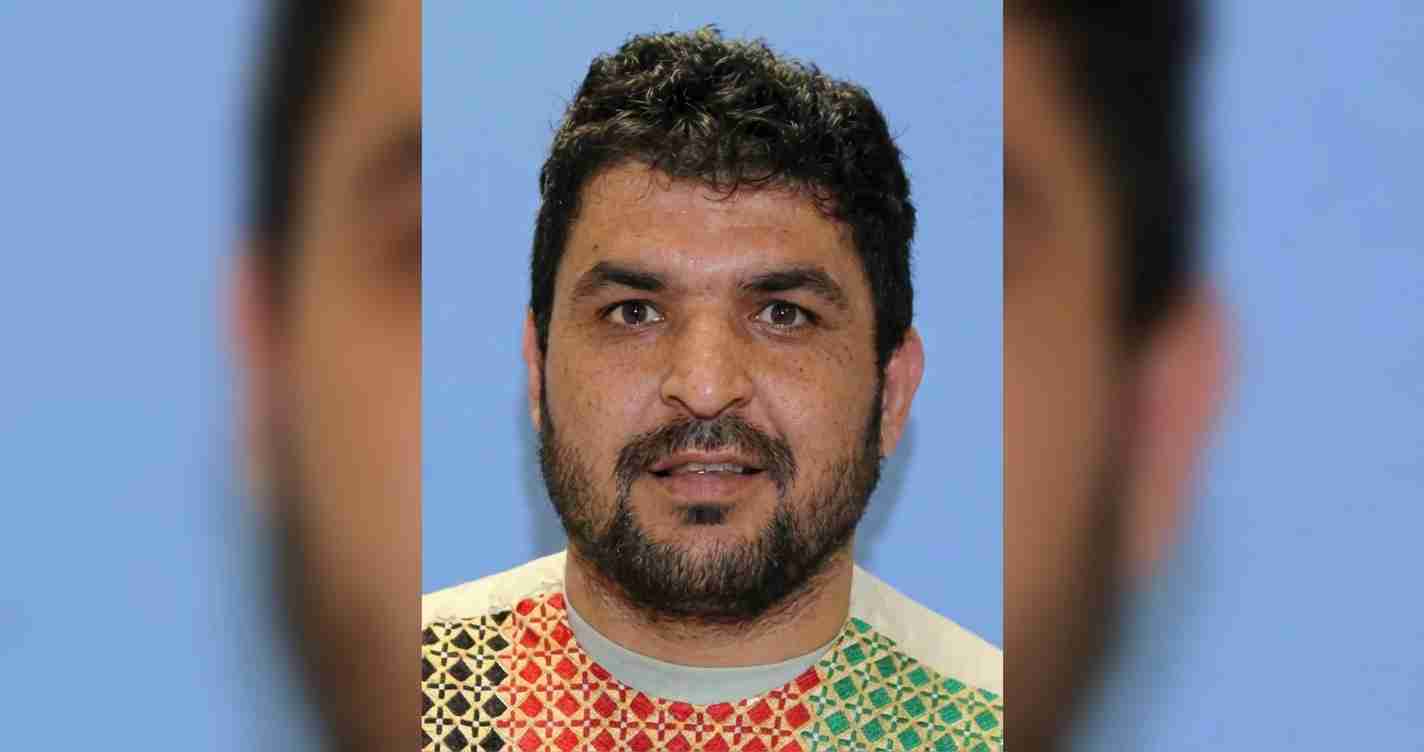
- The proposal followed an ambush in Washington, DC, in which Rahmanullah Lakanwal allegedly shot two National Guard members; one died and another remains critically injured.
- Noem seeks to expand an existing list of 19 nations flagged for restriction; the Department of Homeland Security says it will “reveal the list soon.”
- Legal, diplomatic and operational hurdles are expected if restrictions are widened; courts and foreign governments may push back.
Main content
The triggering incident
Officials say the recommendation followed last week’s attack in Washington, DC, during which an Afghan national, identified by authorities as Rahmanullah Lakanwal, allegedly ambushed two National Guard members—killing one and critically injuring the other. The suspect was taken into custody, and initial reports indicate Lakanwal entered the United States in 2021 under a program established during the Biden administration. Reporting and public briefings are still being consolidated; outlets continue to seek full confirmation of details. Sources include an Axios report and video of Noem’s remarks.
Noem’s proposal: expand, not create
Secretary Noem framed her recommendation as an expansion of existing policy rather than a wholly new framework. The prior proclamation put 19 nations under review for travel restrictions as part of a June action intended to protect national and public safety. Noem urges that the list be widened to include additional countries worldwide; the administration says DHS will release the proposed additions “soon.” For reporting context see the Axios report.
Noem’s rhetoric and rationale
In a forceful post on X and in public remarks, Noem wrote she had “met with the President” and was recommending “a full travel ban on every damn country that’s been flooding our nation with killers, leeches, and entitlement junkies.” She further argued the nation must protect service members and taxpayers, saying vetting for certain foreign nationals has been insufficient. In a follow-up passage she wrote: “Our ancestors established this country through sacrifice, hard work, and an unwavering dedication to freedom—not to allow foreign invaders to harm our heroes, deplete our taxpayer resources, or seize the benefits meant for AMERICANS. WE DO NOT WANT THEM. NOT EVEN ONE.” These remarks are available in the posted video and X post.
Vetting questions and administration blame
Noem attributed the suspect’s arrival to prior screening decisions, asserting that Lakanwal should have been vetted more carefully before entry. Officials involved in vetting note practical limits—such as restricted access to records and difficulty confirming identities in wartime conditions—that complicate screening for migrants from conflict zones. To date, the Department of Homeland Security and partner agencies have not issued a public after-action report definitively tying vetting failures to the DC attack. See Noem’s remarks and coverage from Axios.
Legal and policy implications
Lawyers and policy experts say expanding travel restrictions raises significant legal and diplomatic issues. Travel bans must balance national-security rationales with international law, treaty obligations, and domestic nondiscrimination rules. While DHS has authority to limit entry when national security is at risk, courts scrutinize whether measures are narrowly tailored and supported by evidence. Any broadened proclamation will likely draw judicial review and international responses; the administration says it plans to explain its reasoning when it releases the new list. Reporting: Axios.
Next steps and timeline
DHS officials state a list of additional countries proposed for restrictions will be announced “soon.” Until that list is public, it is unclear which nations beyond the original 19 (which included Afghanistan, Iran, Haiti and Venezuela among others) might be targeted. Any new proclamation would require internal review, coordination with the State Department, public notice processes, and would be vulnerable to legal challenges and diplomatic pushback. See Axios for details.
Implications for the United States
Economic impact: Broadening travel restrictions could affect trade, tourism and labor markets tied to targeted countries, disrupt supply chains, and increase costs for businesses and border operations.
Political consequences: The proposal will reverberate through domestic politics — appealing to voters prioritizing security while prompting critics to call the move overly broad or politically timed ahead of elections.
Social effects: Communities hosting refugees and immigrants may face increased scrutiny and anxiety; families with mixed status could encounter delays and barriers to reunification.
Cultural relevance: Rhetoric labeling migrants as “killers” and “leeches” risks deepening social tensions and stigmatizing groups rather than focusing on individual criminal acts.
Practical changes for residents: If enacted, expansions could mean fewer work visas, longer refugee and asylum processing times, stricter interviews and background checks — and potential reallocation of federal resources toward vetting and enforcement.
Source materials
- Axios report on travel ban expansion and Noem’s recommendation
- Video and posted remarks by Secretary Kristi Noem (X post and speech recording)
Reporting note: This article is based on public remarks and reporting from Axios and the recorded statements posted by Secretary Noem.



