
Inside “Little Mogadishu”: How Minneapolis’ Somali community weathers fraud allegations and Trump attacks
In Minneapolis’ Cedar‑Riverside — “Little Mogadishu” — Somali residents balance cultural pride and daily work while confronting high‑profile fraud probes and repeated attacks from Donald Trump and allies, which fuel stigma even as community leaders stress resilience.
- Neighborhood identity: Cedar‑Riverside, Minneapolis background explains why the area is called “Little Mogadishu.”
- National scrutiny: Coverage including a Fox News Digital feature and a WHMI republishing of that piece has drawn attention to fraud investigations and immigration claims.
- Community response: Local leaders say prosecutions are limited and warn broad claims increase fear, mistrust and stigmatization of Somali families in Minneapolis (WHMI summary).
The setting: Cedar‑Riverside and “Little Mogadishu”
Cedar‑Riverside sits just south and west of downtown Minneapolis and evolved over decades from Scandinavian and counterculture roots into a major immigrant hub. The neighborhood’s high concentration of Somali residents led to the nickname “Little Mogadishu.” For context see Cedar‑Riverside, Minneapolis background.
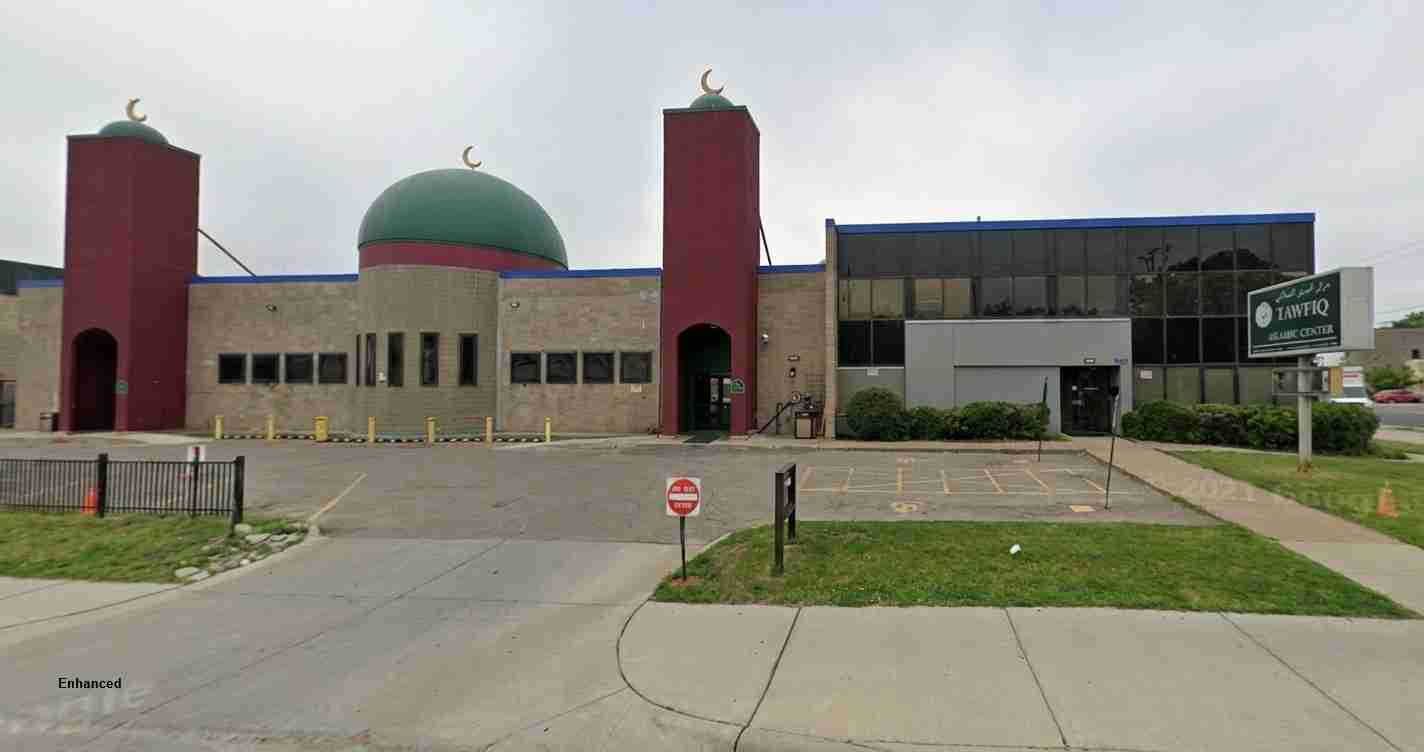
Recent features describe quiet streets, some shuttered businesses, and new Somali‑owned shops and restaurants with Arabic and Somali signage. Riverside Plaza — a cluster of 1970s concrete residential towers — dominates the skyline and is often invoked as a symbol of changing neighborhood fortunes. Religious life is visible, with mosques in former commercial buildings and audible calls to prayer in public spaces (WHMI republishing of Fox reporting).
Minnesota’s Somali community: Size, work and institutions
Minnesota hosts one of the largest Somali populations in the United States, concentrated in Minneapolis–St. Paul. Community members work in restaurants, retail, nursing and care work, trucking, and factories. Somali‑themed malls and small businesses are common, and mosques have grown from a handful in the 1990s to roughly 90 today — signaling institutional growth and a deeper civic footprint (WHMI / Fox account).
Generational differences: Older residents may speak limited English and keep a lower public profile; younger Somalis are frequently fluent in English, active on social media, engaged in music and balancing Somali and American identities.
Politics and representation: Ilhan Omar and local leaders
Representative Ilhan Omar is the most visible national figure associated with Minnesota’s Somali community. Her prominence has made her a focal point for support and for criticism. Reporting shows active political organizing around mosques and Somali civic networks, and visible lawn signs for progressive Minneapolis leaders in the neighborhood (WHMI summary).
Fraud allegations and law‑enforcement scrutiny
Minnesota has seen high‑profile prosecutions involving child‑nutrition and other benefit programs. These cases have drawn national attention and helped fuel a narrative of organized fraud connected to the Somali community. The Fox feature describes Cedar‑Riverside as under a “cloud of fraud,” reflecting both actual prosecutions and concerns over reputational harm (WHMI / Fox reporting).
Community advocates argue: prosecutions involve a small number of actors and should not define an entire population; broad labeling creates suspicion of everyday work and civic life.
Immigration claims and Trump attacks
During his presidency and campaign events, Donald Trump repeatedly criticized Somali refugees in Minnesota, alleging security and cultural threats and accusing some of abusing immigration rules. The Fox News Digital feature highlights claims that Somalis misuse marriage and family‑reunification rules and repeats allegations about Rep. Omar’s personal history.
One recurring allegation — that Omar entered into a marriage with a close relative for immigration reasons — has been amplified by Trump and conservative commentators. Omar has denied the claims; independent fact‑checks and mainstream reporting have found the allegations unproven or based on circumstantial readings of documents, and there is no public, conclusive evidence establishing them as fact. The debate has intensified fear and divisions in the community (WHMI).
Community reactions: Fear, resentment and pride
Many Somali residents report fear and uncertainty tied to media narratives and political rhetoric. Interviews document anxiety about immigration enforcement and being collectively blamed for the actions of a few. Residents say they feel unfairly stigmatized yet express deep pride in work, family ties and religious life.
Younger residents often emphasize blending American culture with Somali traditions; older residents emphasize faith and community stability. Advocates warn that stigmatizing coverage reduces trust in officials and undermines civic engagement.
Social and cultural tensions in the neighborhood
Change in Cedar‑Riverside is visible: mosques and Somali businesses have replaced some nightlife venues and older storefronts. For long‑time non‑Somali residents this can feel like loss; for Somalis, conversion of spaces into religious and community hubs signals permanence and belonging. The shifting skyline and storefronts feed broader debates about integration, multiculturalism and urban evolution (Cedar‑Riverside context).
Media framing and contested narratives
The Fox News Digital piece frames the neighborhood as “beleaguered” and under a cloud while including voices urging nuance and recognizing community contributions. Other outlets and academic work emphasize refugee histories, entrepreneurship, and experiences of Islamophobia and racialization. Critics argue sensational coverage of crime and fraud can be used to stigmatize Muslims and refugees, while everyday success stories receive less attention (WHMI).
Implications for the United States
- Economic impact: Political rhetoric and enforcement could reduce workforce participation in service and care industries and harm small businesses rooted in neighborhoods like Cedar‑Riverside (WHMI).
- Political consequences: National figures using Minnesota cases as proof of broader problems may affect debates on refugee admissions, family‑based visas and enforcement policies (Fox Digital).
- Social effects: Sustained public accusations can deepen mistrust between immigrant communities and law enforcement, reducing civic participation and access to benefits.
- Cultural relevance: The growth of the Minneapolis Somali community raises questions about American identity, urban adaptation, and how cities manage demographic change (Cedar‑Riverside background).
- Practical applications: Policymakers should balance enforcement with community trust, invest in transparent prosecutions, outreach, language access, and support for small businesses that anchor neighborhoods.



