Obamacare prices set to spike in 2026 — here’s why millions could face sticker shock
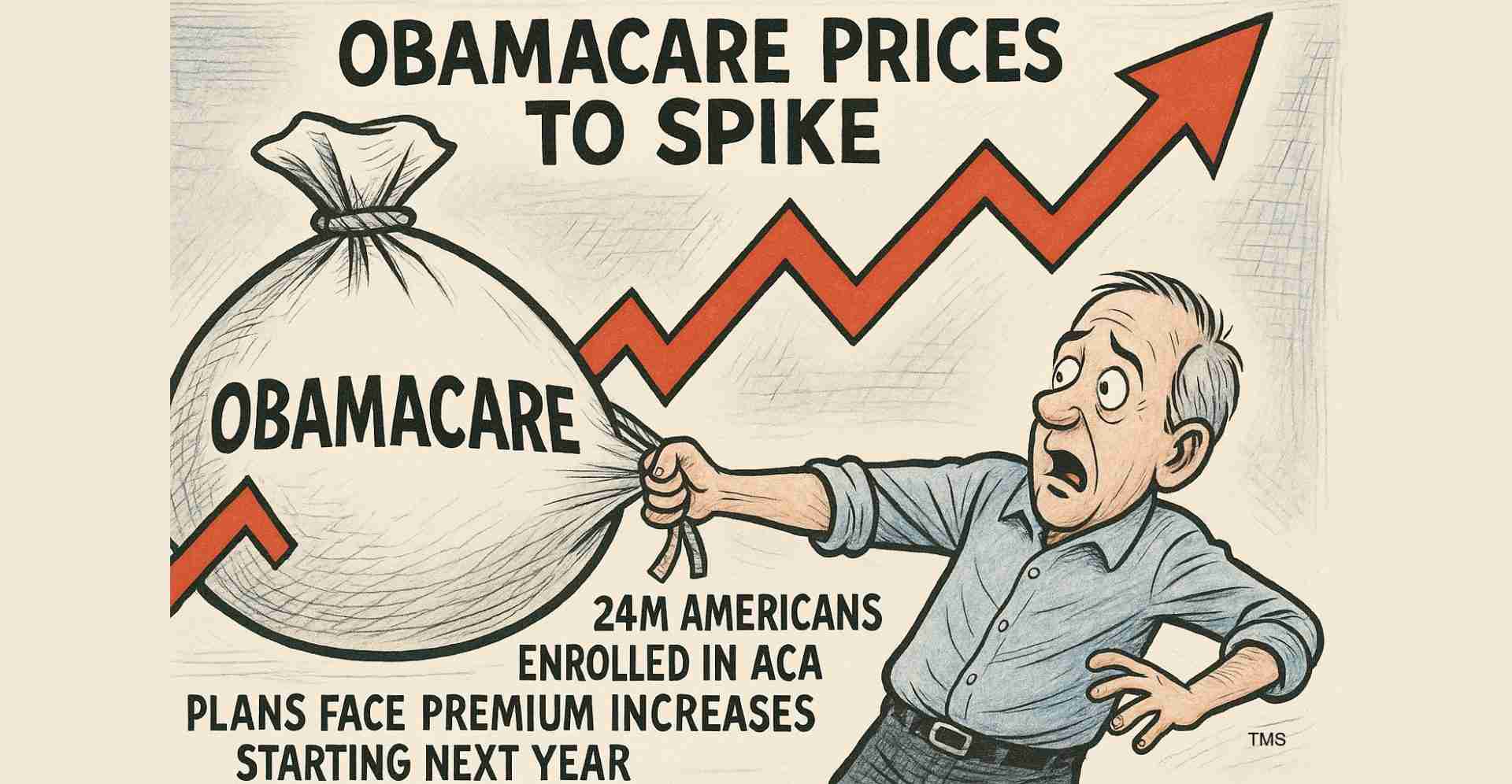
Obamacare (ACA) premiums are forecast to rise sharply in 2026 — insurers propose average rate hikes near 26%, and about 24 million Marketplace enrollees could face much higher monthly costs if enhanced subsidies expire by year-end.
Key takeaways
- Insurers propose average increases of ~26% for 2026; actual out-of-pocket costs depend on whether Congress extends enhanced subsidies — KFF and Fox Business.
- About 24 million people are enrolled in Marketplace plans; roughly 22 million currently receive enhanced premium tax credits — Fox Business and KFF.
- If enhanced subsidies expire, average monthly payments for subsidized enrollees could more than double (roughly a 114% increase on average) — KFF brief.
- Location matters: state-run marketplaces show smaller benchmark increases (~17%) versus Healthcare.gov states (~30%) — KFF.
Main story
Why premiums are rising: the main drivers
The largest single factor is the scheduled end of enhanced premium tax credits that were expanded during the COVID-19 pandemic. Those temporary boosts significantly reduced monthly payments for many enrollees. If Congress allows the enhanced subsidies to expire after 2025, people who now pay modest premiums could face sharp increases — Fox Business and KFF.
“Insurer filings show about a 26% average increase in what insurers will charge — but out-of-pocket effects depend on subsidy rules.”
About 22 million of ~24 million Marketplace enrollees currently benefit from stronger credits. If those credits remain, the average subsidized enrollee could see little change in out-of-pocket premiums despite insurer rate filings; if they lapse, required income contributions revert to pre-pandemic rules and monthly payments could more than double. See the KFF analysis for details.
Other forces pushing premiums up
- Rising medical costs: hospitals and providers have raised prices as demand and expenses climb, feeding into insurer rate requests — Fox Business, KFF.
- Expensive prescription drugs: increased use of high-cost medicines — including GLP-1 drugs like Ozempic — is driving drug spending and expected premium implications — Fox Business, KFF.
- Enrollment shifts: if healthier people drop coverage when subsidies shrink, the remaining risk pool becomes sicker and costs rise — KFF.
- Inflation and potential tariffs: general inflation raises administrative and care costs; some reports also cite possible tariffs that could increase medical goods costs — KFF, Fox Business.
State differences: how location changes the math
Premium impacts will vary by state. KFF finds that states operating their own exchanges see an average benchmark premium rise around 17%, while states using the federal Healthcare.gov platform average about 30%. That gap reflects local market dynamics, insurer competition, and exchange administration — KFF.
What this means for enrollees now
If Congress extends enhanced subsidies: most subsidized people would see modest change in out-of-pocket premiums despite insurer filings; the federal CMS fact sheet notes the average post-subsidy premium for the lowest-cost plan would remain about $50 per month for eligible enrollees where the rules continue.
If subsidies expire: middle-income enrollees could be hit hardest. Those just above 400% of the federal poverty level often pay little or no premium today because of expanded credits; without them many would lose eligibility and see bills spike. Some lower-income people might still find a bronze plan with little or no premium, but those plans carry much higher deductibles — sometimes above $7,000 — compared with silver plans that offer more protection — KFF brief.
The political fight ahead
The enhanced subsidies were expanded by Congress during the pandemic and are set to expire after 2025 unless lawmakers act. The debate over extension is tied to broader budget negotiations; Republicans and Democrats disagree on the scale of federal health spending. If no deal is reached, millions could face sticker shock at the November 2025 open enrollment period — Fox Business.
What insurers say
Insurers submit proposed rate changes to regulators based on expected costs. The roughly 26% average increase reflects insurer filings; state regulators review and can modify those requests. Ultimately, how much enrollees pay will depend on subsidies and individual plan choices — KFF.
Implications for United States of America
Economic impact: higher Obamacare costs would strain household budgets; if enhanced subsidies expire, many middle-income families could face substantial new monthly costs, potentially increasing the uninsured rate and altering employer coverage patterns.
Political consequences: extension of subsidies is likely to be a major campaign issue — proponents cite protection of coverage for millions, while opponents emphasize fiscal restraint. The outcome could sway voters in districts with many Marketplace enrollees.
Social effects: higher premiums and deductibles may lead people to skip care, delay prescriptions, or choose plans with limited benefits, which can worsen chronic disease management and raise emergency care usage.
Practical next steps for readers
- Bookmark Healthcare.gov or your state exchange and note open enrollment dates.
- Run plan comparisons now: evaluate premiums, deductibles, and out-of-pocket costs; bronze plans may lower premiums but raise financial risk.
- Follow Congressional action: if you rely on subsidies, the difference between extension and expiration will determine whether your monthly costs stay modest or spike.
- Monitor state regulators: they may adjust insurer filings and affect final premiums in your state.
Sources and further reading
- KFF — “ACA insurers are raising premiums by an estimated 26%…”
- KFF — “ACA Marketplace premium payments would more than double…”
- Fox Business — “Obamacare prices set to spike — here’s why”
- CMS fact sheet — “Plan year 2026 Marketplace plans, prices fact sheet”
- AOL summary — coverage overview
Prepare now: check eligibility, compare plans during open enrollment, and budget for potential higher costs. Staying informed about Congressional decisions and state regulator actions will be essential for anyone relying on the ACA marketplaces.