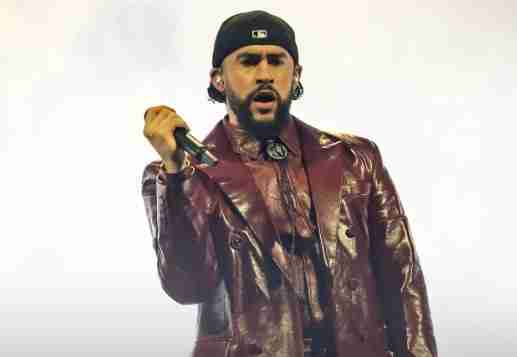
Bad Bunny Super Bowl 2026 Halftime Selection Sparks Online Boycott Calls
Bad Bunny’s selection as the Super Bowl 2026 halftime headliner prompted a fierce online backlash among right‑wing and MAGA circles, with boycott hashtags trending over his past political stances and 2025 decisions to skip mainland U.S. tour dates.
- Boycott movement: Hashtags such as “Boycotting Bad Bunny” trended among conservative and MAGA-aligned users, amplifying calls to skip the game (Axios, Times of India, GiveMeSport).
- Hypocrisy charge: Critics cite Bad Bunny’s 2025 avoidance of mainland U.S. tour dates over ICE-related safety concerns and call his Super Bowl appearance inconsistent (Axios).
- League stance: The NFL has not issued a formal response and there is no credible reporting that the halftime performance has been canceled (Axios, iNews).
Background: Why the announcement sparked backlash
When the NFL named Bad Bunny as the Super Bowl 2026 halftime performer, reactions split along familiar cultural and political lines. Supporters praised recognition of Latin music and younger viewers; critics — particularly MAGA-aligned voices — framed the choice as politically charged.
A central grievance centers on Bad Bunny’s 2025 decision to cancel or avoid mainland U.S. tour dates, which the artist said was tied to fears that immigration enforcement could endanger fans. Critics say that decision makes a high-profile U.S. stage appearance seem inconsistent; defenders argue a one-off, tightly controlled broadcast differs from touring logistics and safety concerns (Axios).
Political and cultural dimensions
The dispute goes beyond entertainment. Some conservative commentators labeled Bad Bunny “anti‑ICE” or “anti‑Trump”, arguing the NFL prioritized diversity or progressive signaling over traditional fan preferences. Influencers such as Greg Price and Robby Starbuck were documented voicing this framing (Axios).
Defenders counter that the backlash contains elements of racial and cultural bias, noting past halftime acts by artists of color also drew political heat and that representation reflects changing demographics (Times of India).
Social media dynamics and the MAGA boycott push
Platforms became the main battleground: hashtags calling for a boycott trended within certain communities. Coverage tracked how “Boycotting Bad Bunny” and related phrases spread and were amplified by partisan accounts (GiveMeSport, Times of India).
“The decision was framed by some as a political statement rather than a reflection of mainstream fan tastes.” — reporting and commentary documented on social platforms and media outlets.
Claims of hypocrisy and counterarguments
Critics frequently charged hypocrisy: why avoid U.S. tour dates in 2025 but accept the NFL’s biggest stage? Supporters explained the difference between a controlled, single broadcast event and the complexities of touring, including concerns about exposing fans to enforcement actions. Axios covered both sides of this debate (Axios).
NFL response, ticketing and the business angle
As reported, the NFL has not issued a formal statement addressing boycott calls. Historically the league avoids political entanglements over halftime performers. There is no verified reporting that ticket sales or league plans have been materially affected by the online protest; coverage indicates the controversy remains concentrated online and among partisan commentators (Axios, iNews).
Analysts note advertisers watch for broad consumer backlash, but the Super Bowl’s advertising market is driven by massive viewership that often outweighs short-term online trends. Past halftime controversies produced limited long-term commercial harm to the event.
Misinformation and what is not happening
Rumors that the halftime show was canceled circulated briefly, but those claims lack credible sourcing. Multiple outlets confirmed Bad Bunny’s performance remained scheduled and that the backlash had not prompted an official reversal (Axios, iNews).
Implications for the United States
Economic: A widespread, sustained boycott would be required to dent Super Bowl–related economic activity; analysts say a primarily online artist-related protest is unlikely to have major national impact (Axios, GiveMeSport).
Political: The controversy gives political figures and aligned media a cultural flashpoint to rally supporters and argue the NFL is out of step with some fans.
Social: The clash underscores ongoing debates over representation, language and national identity; for many Latinos and younger viewers, the choice signals recognition, while some conservative fans see it as unwelcome change.
Practical information for viewers and fans
For now, the halftime show is scheduled to proceed. Fans should consult official league ticketing channels and mainstream outlets rather than social posts for updates. Reliable reporting on developments has appeared in outlets tracking the story (Axios).
Cultural relevance and precedent
This dispute fits a pattern: halftime performers from Beyoncé to Kendrick Lamar to Shakira have previously generated politically charged responses. How the NFL manages such episodes may influence perceptions of its cultural priorities and affect relations with different fan blocs.
Reporting sources
Parent Publication: Times Media Service