Chick-fil-A Reverses Controversial Waffle Fries Recipe Change, Drops Pea Starch After Customer Backlash
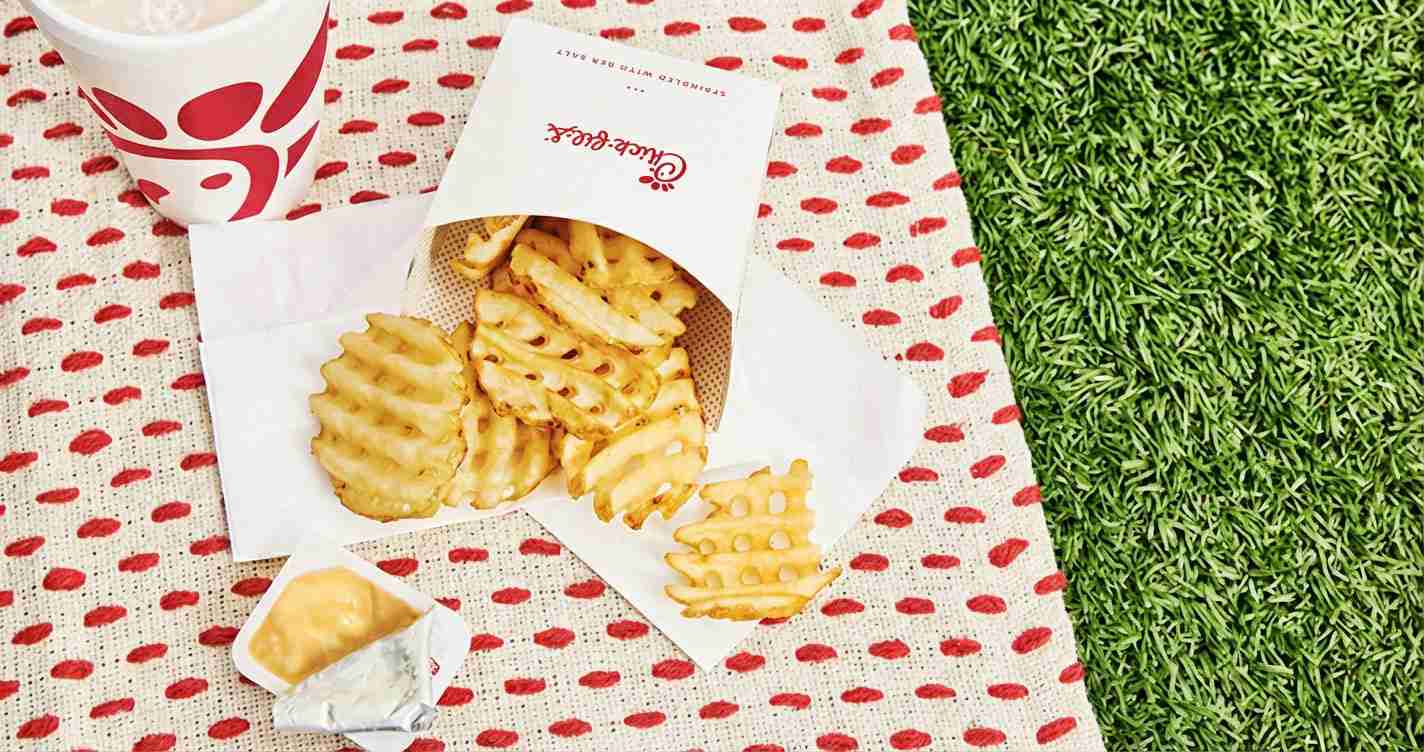
Chick-fil-A has reversed a late-2024 change to its waffle fry coating, removing pea starch after customers complained the new formula dulled flavor and texture; the chain confirmed it restored the original 1985 recipe to ensure classic taste and familiar quality.
- Pea starch removed: Chick-fil-A has removed pea starch from its waffle fry coating after adding it in late 2024 following more than a year of testing (Source: Chick-fil-A; reporting: Forever York).
- Ingredient list clarified: The company lists potatoes, canola and vegetable oils, a coating of modified starches (corn, potato, tapioca), rice flour, salt, leavening agents and seasonings; the ingredient page now explicitly states no pea starch (Source: Chick-fil-A ingredient page).
- Nutrition & price unchanged: A medium order remains about $3.85 (varies by location) and lists ~420 calories, 24 g fat, 45 g carbohydrates, 5 g fiber, 1 g sugar, 5 g protein and 240 mg sodium (Reporting: Forever York).
What changed and why
In late 2024 Chick-fil-A updated the coating on its iconic waffle fries to include pea starch, a change the company said followed more than a year of internal testing and aimed to keep fries crispier longer. The chain positioned the tweak as an operational improvement to help texture holdover for customers who take food off-premises.
Within days of the roll-out, however, patrons used social channels to report that the fries tasted blander and lost the familiar mouthfeel of the product introduced in 1985. Posts ranged from measured critique to nostalgic pleas; a Reddit user wrote, “Love that they’re crispier, but they are pretty bland now,” while one Instagram comment pleaded, “I love soggy fries. Please, we are begging you.” Viral sharing of reactions turned the issue into sustained customer pressure for reversal (Reporting: Forever York).
Company response and confirmation
Chick-fil-A has confirmed it removed pea starch from the waffle fry coating and restored the prior formulation. The company’s customer-support page now states explicitly that the waffle fry recipe does not contain pea starch and lists current ingredients: potatoes cooked in canola and vegetable oils; a coating with modified food starches derived from corn, potato and tapioca; rice flour; salt; leavening agents; and seasonings. See the updated information on Chick-fil-A’s ingredient page.
Media reporting corroborated the reversal, citing company comment and customer reaction. Initial testing aimed to improve crispiness, but customer feedback about taste and texture drove the company to restore the previous formulation (Reporting: Forever York).
Customer reaction and social media pressure
Social media played a decisive role: long-time patrons posted side-by-side photos, taste impressions and petitions across Reddit, Instagram and other platforms. Complaints focused on two primary issues:
- Perceived flavor loss: many customers said the fries tasted blander under the new coating.
- No clear benefit in everyday use: customers reported they did not notice a meaningful improvement in cold-crisp retention.
“Love that they’re crispier, but they are pretty bland now,” — Reddit user; “I love soggy fries. Please, we are begging you.” — Instagram comment.
For a brand that emphasizes consistent product experience, the widespread outcry created a reputational issue that Chick-fil-A chose to address by reverting the ingredient list.
Nutritional and price details
Chick-fil-A’s published nutrition information for a medium order of waffle fries (unchanged by the ingredient reversal) is approximately:
- Calories: 420
- Fat: 24 g
- Carbohydrates: 45 g
- Fiber: 5 g
- Sugar: 1 g
- Protein: 5 g
- Sodium: 240 mg
- Price (medium): ~ $3.85, depending on location.
Context: recipe changes, testing and customer expectations
Fast-food operators frequently revise formulations to address cost, supply chain, operational consistency and off-premises performance. Chick-fil-A’s stated goal — longer crispiness after cooking — aligned with industry efforts to improve hold for delivery and takeout. Yet the episode shows that technical improvements must be balanced against customer taste preferences and brand identity.
The waffle fries case illustrates how loyal customers can mobilize quickly online and create immediate market friction. For brands with strong customer identification, preserving a recognized taste profile often outweighs marginal operational gains.
What this means for suppliers and menu strategy
Menu and supply managers may weigh customer sentiment more heavily when testing ingredient swaps. Changes meant to solve kitchen or supply problems should be validated by tasting panels that reflect real-world preferences and by social listening for early feedback.
Suppliers of modified starches and alternative flours should note that ingredient substitutions can draw rapid consumer scrutiny; Chick-fil-A’s removal of pea starch could reduce demand in quick-serve channels, at least temporarily (Reporting: Forever York).
Implications for the United States
Economic impact: The immediate effect is modest, but Chick-fil-A’s purchasing decisions matter in the quick-serve supply chain. The removal of pea starch may influence short-term orders for that ingredient and prompt other chains to reevaluate similar swaps (Sources: Chick-fil-A, Forever York).
Political & social effects: The episode demonstrates market responsiveness: customers voiced preferences and a private company adjusted course without government intervention. Social media activism acted as a rapid feedback loop, highlighting the power of online communities to influence national brands.
Cultural relevance: Chick-fil-A’s waffle fries are a cultural staple for many Americans since 1985; restoring the classic recipe resonates with patrons who view the item as part of the brand’s heritage.
Practical applications for consumers
Customers can expect the pre-2024 flavor profile to return to Chick-fil-A menus nationwide. Those with dietary questions should consult Chick-fil-A’s online ingredient page. Pricing and nutrition remain available through the company’s nutritional guides and local restaurant menus (Sources: Chick-fil-A, Forever York).
Reporting and sources
This article is based on Chick-fil-A’s ingredient information and reporting on the recipe reversal and customer reaction: Chick-fil-A’s ingredient page and reporting that summarized the change and backlash on Forever York.