
Iran schedules execution of protester Erfan Soltani in what rights groups call first death tied to anti-regime unrest
Iranian authorities have scheduled the execution of 26-year-old Erfan Soltani for January 14, 2026, in a fast-tracked trial rights groups say lacked due process and may mark the first death directly linked to nationwide anti-regime protests.
Key takeaways
- Execution scheduled: Erfan Soltani, 26, is set to be hanged on January 14, 2026, after a rapid trial process.
- Due process concerns: Rights groups say he was denied timely access to counsel, family notifications were limited, and appeals were effectively blocked.
- Rights-monitor reporting: Iran Human Rights (IHRNGO) and the Hengaw Organization for Human Rights have corroborated family accounts under difficult conditions.
- International concern: Activists and advocacy groups are urging immediate stays, independent reviews, and diplomatic pressure to halt the execution.
Main content
Arrest and fast-tracked sentence
Erfan Soltani, a 26-year-old resident of Fardis near Karaj in Alborz province, was reportedly taken from his home on January 8, 2026 during local protests and moved quickly through the judicial system, according to the Hengaw Organization for Human Rights.
Rights monitors say the process ended in a death sentence within days, with Soltani convicted of moharebeh — broadly translated as “waging war against God” and a capital offense under Iran’s penal code. Family members were reportedly informed only shortly before the scheduled execution and allowed a brief visit.
Due process and legal concerns
Human rights groups and defense lawyers who reviewed the case describe the speed and secrecy surrounding the proceedings as evidence of serious procedural violations, including denial of access to counsel and inadequate opportunity to mount a meaningful defense. Observers note that the charge of moharebeh has in some cases been broadened to encompass political dissent rather than proven violent acts (NDTV).
Human rights groups’ response
Norway-based Iran Human Rights (IHRNGO), the Hengaw Organization for Human Rights, and the National Union for Democracy in Iran (NUFD via media) have publicly confirmed family-supplied details and warned that Soltani’s case is emblematic of a broader, harsher crackdown.
“Mass arrests and the reported use of force echo earlier, darker periods of repression in Iran,” said IHRNGO director Mahmood Amiry‑Moghaddam in a statement summarizing their concerns (Iran Human Rights).
IHRNGO reports at least 648 deaths since demonstrations began, including nine minors, and estimates that the true toll may be far higher; the organization also says more than 10,000 people have been arrested amid sweeping security operations (Iran Human Rights).
The NUFD described Soltani’s only “crime” as calling for freedom for Iran and has urged international actors to pressure Tehran to halt the execution. Campaigns include social media appeals, petitions, and direct appeals to foreign governments; a Change.org petition seeking to stop the execution is publicly available (Change.org).
International reaction and calls to action
Human rights groups, advocacy networks, and activists have called for immediate stays, independent judicial reviews, and enhanced international scrutiny. The Hengaw Organization demanded a halt to the execution and an impartial review; other groups have urged governments, rights bodies, and the United Nations to intervene (NDTV).
Iranian state-aligned campaigns and pro-government rallies have cast demonstrators as “terrorists” and “foreign agents,” defending security measures as necessary to restore order. Authorities have also imposed local communications restrictions that rights groups say hinder monitoring and family notifications (Fox News).
Broader protest context
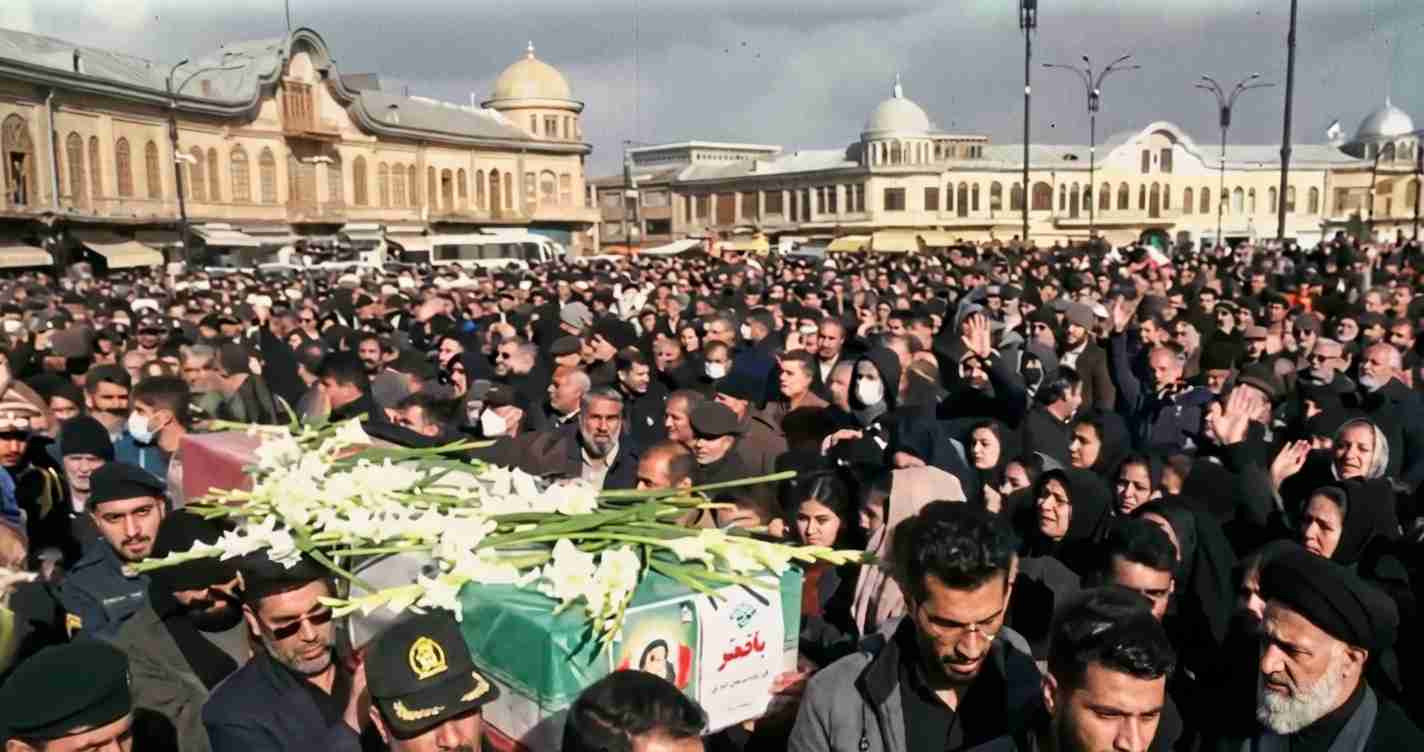
The protests began in late December 2025 amid mounting economic distress, rising unemployment, and widening public dissatisfaction. Demonstrations that began over livelihoods have expanded into wider anti-regime protests calling for political change. Rights monitors report mass arrests and lethal force in some regions (Iran Human Rights; NDTV).
Rights organizations warn that executing a protester could set a dangerous precedent, deterring demonstrations through the threat of summary executions and further escalating tensions domestically and internationally (Fox News).
Verification limits and reporting constraints
Independent verification of Soltani’s case and the wider scale of the crackdown remains challenging due to reported government-imposed communications blackouts and restrictions on journalists. This report relies on local rights groups, family members contacted through those groups, and international monitoring organizations collating eyewitness reports under difficult conditions (NDTV; Iran Human Rights).
Implications for the United States of America
- Political consequences: Execution after a summary trial could increase pressure on Washington for tougher measures, including targeted sanctions or diplomatic steps, and would become a focal point in US policy debates (Iran Human Rights; NDTV).
- Security and regional stability: Greater repression risks destabilizing the region, increasing refugee flows, and complicating US alliances and operations (Fox News).
- Human rights and public opinion: The case could galvanize public opinion across the political spectrum in the United States around rule-of-law and human-rights concerns (Iran Human Rights).
- Economic and humanitarian effects: Sustained instability may affect global oil markets and prompt increased asylum and humanitarian needs, requiring US response planning (NDTV).
Reporting note and sources
This article draws on reporting and statements from human rights organizations, family sources operating under restrictions inside Iran, and international media. Key sources cited include Iran Human Rights (IHRNGO), the Hengaw Organization for Human Rights, reports from the National Union for Democracy in Iran as cited by international media (NDTV), and additional coverage (Fox News).
A public petition appealing for a halt to the execution is available at Change.org. Independent on-the-ground verification remains limited due to reported communication blackouts and restrictions on journalists.



