
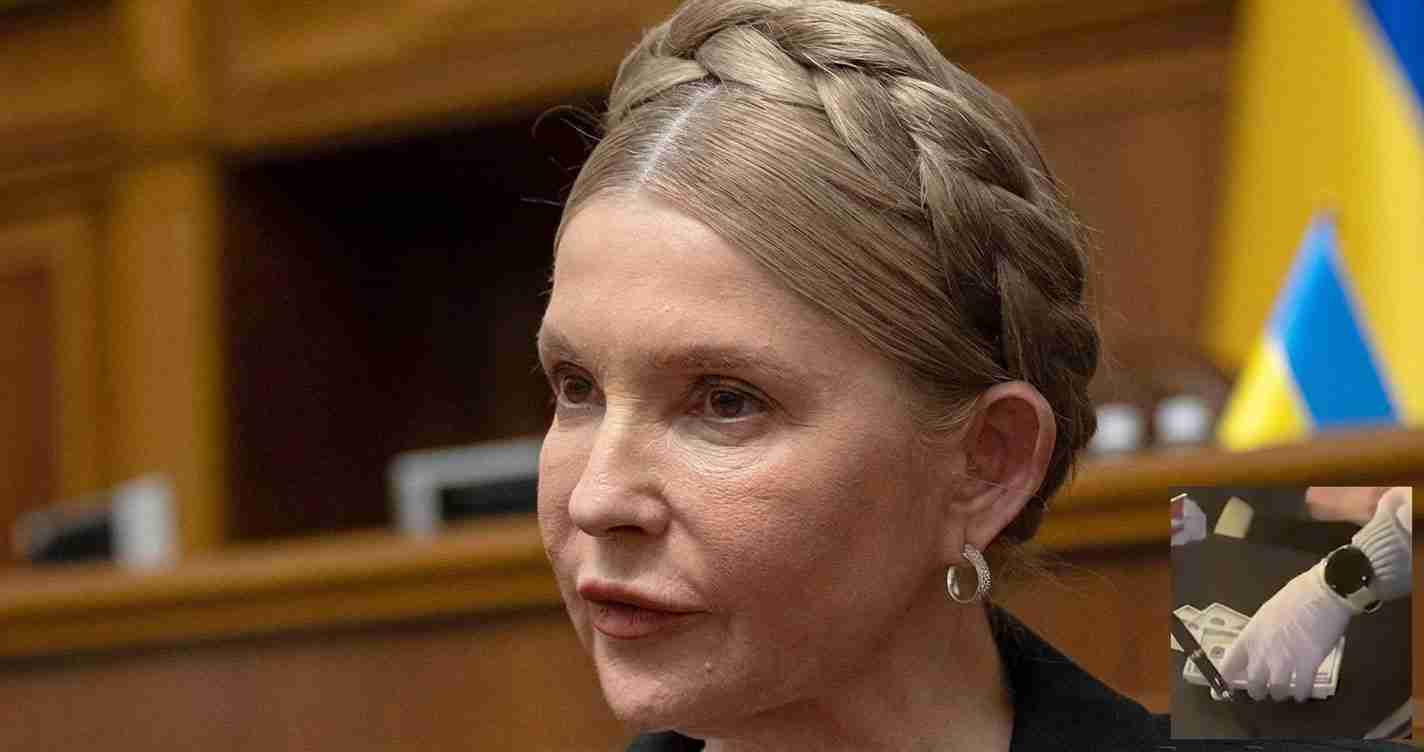
Former Ukrainian Prime Minister Yulia Tymoshenko Charged in Alleged Cash-for-Votes Plot After Nightlong Raid at Batkivshchyna Party Offices
Former Prime Minister Yulia Tymoshenko was charged on Jan. 14, 2026, with bribery by NABU and SAPO, accused of organizing $10,000 monthly payments to lawmakers to influence parliamentary votes after overnight searches at her Batkivshchyna offices in Kyiv.
- NABU and SAPO charged Tymoshenko on Jan. 14, 2026, alleging a recurring $10,000-per-lawmaker scheme to influence votes — JURIST.
- Searches at Batkivshchyna offices began the evening of Jan. 13 and lasted through the night; authorities reported seizing U.S. dollars, phones and parliamentary documents — Kyiv Independent.
- NABU released audio and video it says show negotiations and cash tied to efforts to remove or block senior officials — Meduza, JURIST.
Key information
Charges and timeline: NABU and the Specialized Anti-Corruption Prosecutor’s Office (SAPO) formally charged Tymoshenko on Jan. 14, 2026. Prosecutors allege a structured scheme involving $10,000 monthly payments per lawmaker across voting sessions to secure votes, abstentions or absences.
Search operation: Search teams entered Batkivshchyna party offices the evening of Jan. 13, continuing through the night. Authorities released video they say shows stacks of U.S. dollars and seized phones, parliamentary documents and declared savings — reporting summarized by the Kyiv Independent.
Evidence released: NABU published wiretapped audio and video material it says captures negotiations, cash payments and instructions on votes related to personnel moves in the Security Service and senior ministries — coverage and analysis available from JURIST and Meduza.
Investigations and evidence presented
Prosecutors allege Tymoshenko organized recurring payments of $10,000 per lawmaker for two monthly sessions, and link wiretapped exchanges to directives on votes concerning:
- Removal of Security Service head Vasyl Malyuk.
- Attempts to dismiss or block reappointments of Defense Minister Denys Shmyhal and Digital Transformation Minister Mykhailo Fedorov.
- Promotion or opposition to candidates for justice minister, including Denys Maslov.
NABU’s released material reportedly includes both audio and video: footage of stacks of U.S. dollars and a blurred figure with a braided hairstyle matching Tymoshenko’s, and wiretaps that prosecutors say show discussions of advance payments and vote coordination — details reported by the Kyiv Independent and JURIST.
Tymoshenko’s response and court appearance
Denial and political framing: Tymoshenko has emphatically denied the allegations, calling them “absurd,” “primitive,” and a politically motivated attempt to silence opposition ahead of elections held under martial law. She described the episode as a “grand PR move.” (See Meduza.)
“The charges are absurd and politically motivated,” Tymoshenko said during court appearances, disputing evidence and noting that seized items were declared.
Prosecutors asked the High Anti-Corruption Court to impose UAH 50 million (about $1.3 million) in preventive bail and attach restrictions while the case proceeds. If convicted on bribery charges, Tymoshenko faces up to 10 years in prison, according to Ukrainian media reports — summarized by NV (English) and JURIST.
Political context and historical backdrop
Tymoshenko previously served as prime minister in 2005 and 2007–2010. She was convicted in 2011 in a case widely seen as politically motivated, jailed, and later released in 2014. Her Batkivshchyna party currently holds 25 seats in parliament, and she remains a prominent opposition leader.
In 2025 Tymoshenko backed legislation that would have curtailed or dismantled anti-corruption bodies such as NABU and SAPO before publicly retracting that position amid criticism; that history shapes both the prosecutors’ approach and Tymoshenko’s claims of political targeting — reporting by the Kyiv Independent.
Wider anti-corruption campaigns and separate probes
Ukraine’s anti-corruption institutions have been particularly active. Prosecutors say this Tymoshenko case is distinct from the Energoatom scandal, though it follows a string of late-2025 investigations into cash-for-votes practices that led to charges against several Servant of the People lawmakers. Analysts note that NABU’s release of audio and video will be central to public perception and legal outcomes — see Kyiv Independent and Meduza.
Coverage and international reaction
Western and regional media quickly covered the charges, combining descriptions of the evidence with analysis of the political stakes in Kyiv. Observers say how Ukraine handles the case will affect public trust in anti-corruption reform and influence international backers who emphasize the rule of law — coverage includes JURIST, the Kyiv Independent, and Fox News.
Implications for United States of America
Political trust and reform momentum: The U.S. has long urged Ukraine to strengthen independent anti-corruption bodies. High-profile cases like this test reform gains: a transparent, evidence-based legal process could reinforce U.S. confidence, while perceived politicization could raise concerns in Washington.
Security and assistance: U.S. security aid is subject to review by U.S. lawmakers and executives. Demonstrated, nonselective anti-corruption enforcement may reassure supporters of robust aid; claims of selective prosecutions might complicate congressional willingness to expand or condition assistance.
Public diplomacy and messaging: Adversaries may exploit internal divisions. Clear communications, independent judicial review, and transparency can reduce propaganda opportunities and reassure partners and donors.
Economic and market effects: Allegations against senior politicians can affect investor confidence and project timelines for companies with Ukrainian exposure. Robust anti-corruption action may strengthen the investment climate long term, but short-term uncertainty is possible.
Ukrainian-American communities: Diaspora groups in the U.S. closely follow Kyiv politics; the case will influence advocacy and engagement with U.S. policymakers. Civic organizations may call for measured, evidence-based handling.
Practical effects for U.S. policy: Washington is likely to press for transparent proceedings, monitor access, and timely reporting to maintain confidence among U.S. lawmakers and the public.
Sources and further reading
- JURIST: Former Ukraine prime minister charged with bribery
- Kyiv Independent: Ukraine’s anti-corruption watchdogs expose bribery scheme in parliament
- Meduza: “A grand PR move”
- Fox News: Former Ukrainian PM accused of bribing politicians
- NV (English): Tymoshenko appears in court as prosecutors seek bail in corruption case
This is a developing story.



