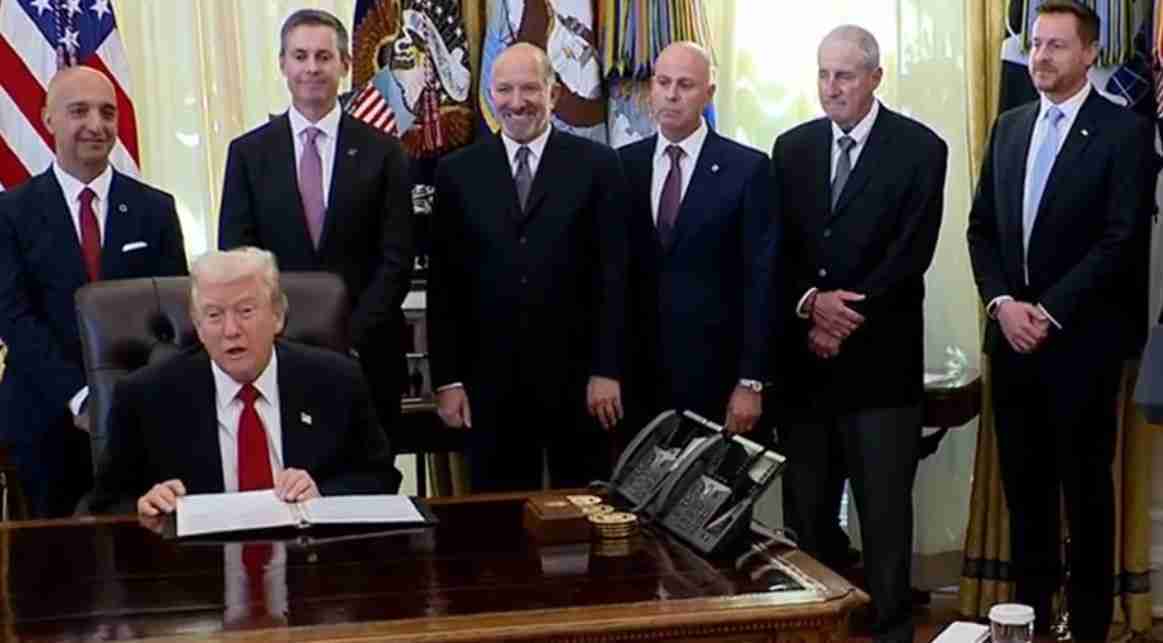
Trump, RFK Jr. and Dr. Oz Reveal Massive Medicare Deal on Weight Loss Drugs, Promising Broader Obesity Drug Access
President Donald Trump, HHS Secretary Robert F. Kennedy Jr., and CMS Administrator Dr. Mehmet Oz announced a Medicare deal on weight-loss drugs on November 6, 2025, proposing expanded access and a novel payment model to control costs.
- Scope: Nearly 70 million Medicare beneficiaries could be affected if coverage is broad.
- Payment model: Officials described a “novel payment model” mixing negotiated prices and outcome‑based arrangements to contain costs.
- Unknowns: Exact pricing, eligibility rules, rollout timeline and full policy text were not released.
- Market impact: Pharma firms such as Lilly and Novo Nordisk are central to negotiations and could face lower per‑unit revenue in exchange for volume.
What the announcement said
The White House staged a high‑profile event where administration leaders framed the deal as both a public‑health initiative and a fiscal safeguard. Officials said the agreement would expand beneficiary access to obesity drugs while protecting Medicare’s budget through targeted payment arrangements (Fox News video coverage).
How the deal would work — what we know and don’t know
Known: Administrators flagged a payment approach that departs from simple list‑price coverage. Medicare would pursue negotiated terms and potentially performance‑based payments tied to patient outcomes, aiming to limit upfront costs while encouraging real‑world health gains (reporting and analysis: STAT News analysis and reporting).
Structure described: Reporting suggests a mix of negotiated lower prices plus outcome‑based payments where manufacturers are paid more if drugs deliver measurable weight loss and health improvements.
Key unknowns
- Eligibility: Which Medicare beneficiaries will qualify — all enrollees, diagnosis‑based, BMI thresholds, or other limits?
- Cost‑sharing: Patient out‑of‑pocket costs and protections for low‑income beneficiaries are unspecified.
- Timeline: Start date for coverage, and when negotiated prices or performance metrics take effect, are unclear.
- Legal and regulatory steps: Whether new rulemaking or legislation is required remains unknown.
Because no detailed policy text was released, independent experts, insurers, and state officials will wait for formal guidance to assess operational hurdles and budget impact (STAT News analysis and reporting; Fox News video coverage).
Industry and market implications
Pharmaceutical companies that make GLP‑1 and other obesity drugs have been central to public reporting. A Medicare deal could dramatically expand demand while negotiated pricing and performance ties could compress revenue per unit. Observers note firms may accept lower prices for guaranteed volume, but outcomes depend on contract specifics (reporting).
Broader effects may include changes to drug development incentives, pressure on private insurers to follow Medicare’s lead, and short‑term market reactions as investors price in new norms.
Policy context and why this matters
Medicare’s scale — roughly 70 million people — gives it leverage to affect drug prices nationwide. Supporters argue broader access to effective obesity drugs could reduce long‑term medical spending and improve quality of life. Critics worry about cost, sustainability, and whether coverage will overshadow lifestyle and prevention strategies (STAT News analysis and reporting).
From a fiscal conservative standpoint, a model that negotiates price and ties payment to outcomes appeals because it aims to limit waste and reward value — but oversight and administrative costs could erode savings.
Implementation challenges
Operationalizing the deal will require CMS to set rules, collect standardized outcome data, enforce contracts, and manage appeals and fraud controls. Specific hurdles include:
- Data collection and uniform outcome metrics for diverse Medicare populations.
- Payment adjustment mechanisms for long‑term versus short‑term outcomes.
- Administrative capacity to manage manufacturer contracts and compliance.
Analysts caution that without clear mechanics, expected savings may be delayed or reduced (reporting).
What officials said (reported)
Dr. Mehmet Oz described CMS’s role in implementing the plan through Medicare. HHS Secretary Robert F. Kennedy Jr. emphasized public‑health goals. President Donald Trump presented the deal as part of an effort to rein in health costs and deliver for seniors (coverage).
What is missing in public reporting
No official policy text or comprehensive FAQ had been released at the time of reporting. Open questions include legal authority, the role of Medicare Advantage plans, and how supplemental coverage may change. Journalists and watchdogs will be watching for CMS rulemaking documents and manufacturer contracts.
Implications for United States of America
Economic: If Medicare negotiates lower effective prices via discounts and outcome payments, federal drug spending growth could be reduced — aligning with conservative fiscal priorities. Savings depend on strict contracts, accurate outcome measurement, and low administrative overhead.
Political: The move provides a visible policy achievement for the administration ahead of elections and may appeal to moderate conservatives; Democrats and progressives will scrutinize access and protections for low‑income and disabled beneficiaries.
Social and cultural: Expanded obesity drug access could improve health outcomes and quality of life for many, but raises questions about medicalizing weight loss and balancing medication with prevention and lifestyle interventions.
Practical for patients and providers: Primary care physicians, endocrinologists, and weight‑management clinics will need clear guidance on prescribing, monitoring, and documenting outcomes. Pharmacy benefit managers and Medicare Advantage plans must adapt billing and reimbursement practices.