NEW YORK, July 15 (Our New York News) — In New York City, Nicolle Wallace’s admission that she stopped airing Sarah Huckabee Sanders’s White House briefings during Donald Trump’s first term is a reminder that cable-news hosts do more than comment on political events: they also decide which ones viewers see at all. Wallace’s choice mattered because it cut off a direct line from the White House briefing room to her audience on MS NOW’s “Deadline White House.”
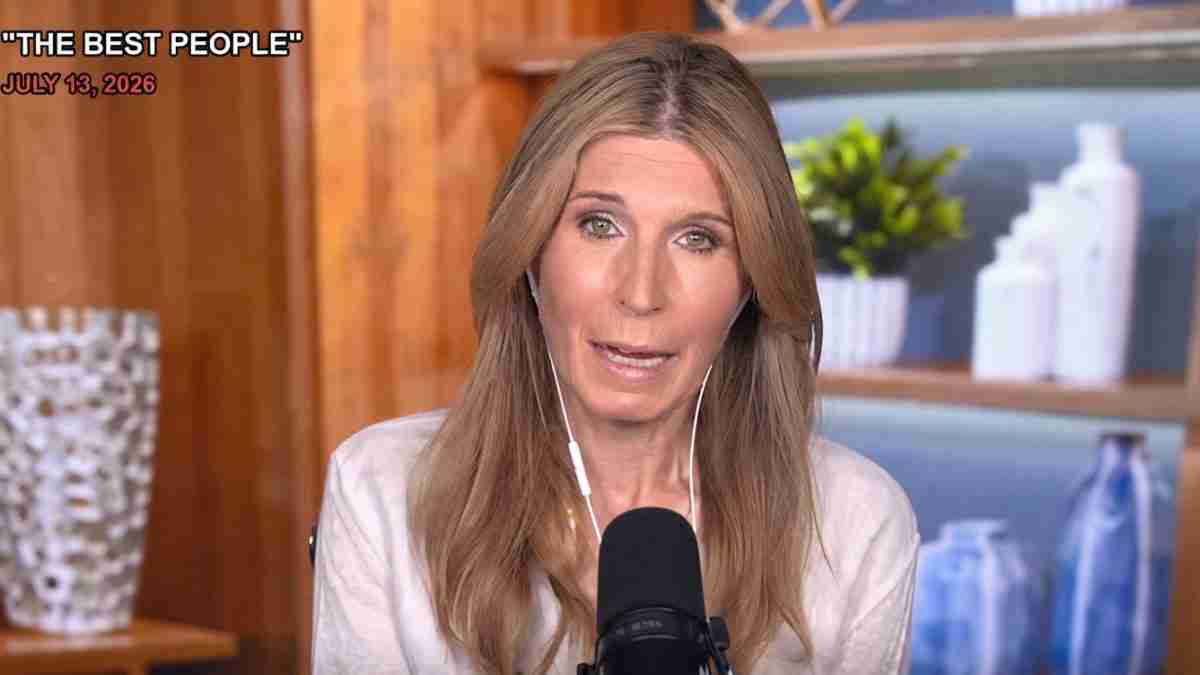
Wallace said on a July 13 episode of her podcast, “The Best People,” that she “stopped carrying Sarah Huckabee Sanders briefings” and “just refused to carry them” because watching them “actually hurt” her as she listened to what she described as lying. She said she was not arguing that press secretaries should not try to present their bosses in the “best possible light.” Her objection, she said, was to what she saw as lies about immigration.
The comments show how sharply some broadcasters reacted to the Trump White House’s daily briefings. For viewers, the effect was not just a critique of the briefing itself. Wallace says she chose not to air it, which meant her show would not amplify Sanders’s remarks in real time. That is a significant editorial decision on a program built around political coverage, because the host is not only framing the news but also screening it.
Wallace had signaled that boundary years earlier. In 2018, she said on her show that clips of Sanders would no longer air, telling viewers, “we’re not going to air that anymore” and, “Let’s make that the last Sarah Huckabee Sanders clip ever aired at four o’clock,” after saying Sanders’s comments about the First Amendment “made me sweat.” The later podcast remarks suggest that the move was not a passing reaction, but part of a longer decision about how much of Trump’s White House briefings she wanted on her program.
That matters because the White House briefing has long served two roles at once: a formal government update and a televised message from the administration. When a host decides to stop carrying those briefings, the host is drawing a line between reporting on the White House and broadcasting its message without interruption. Wallace’s comments show that line can be crossed for editorial reasons, especially when the host believes the briefing is not simply spin but falsehood.
The episode also fits a broader pattern from Trump’s first term, when clashes between the White House and the press became a recurring part of political coverage. Wallace’s decision did not change the briefing itself, but it did change how one national audience encountered it. That is why her remarks stand out now: they show how much of presidential communication can depend not only on what officials say, but on whether a news outlet chooses to carry it.