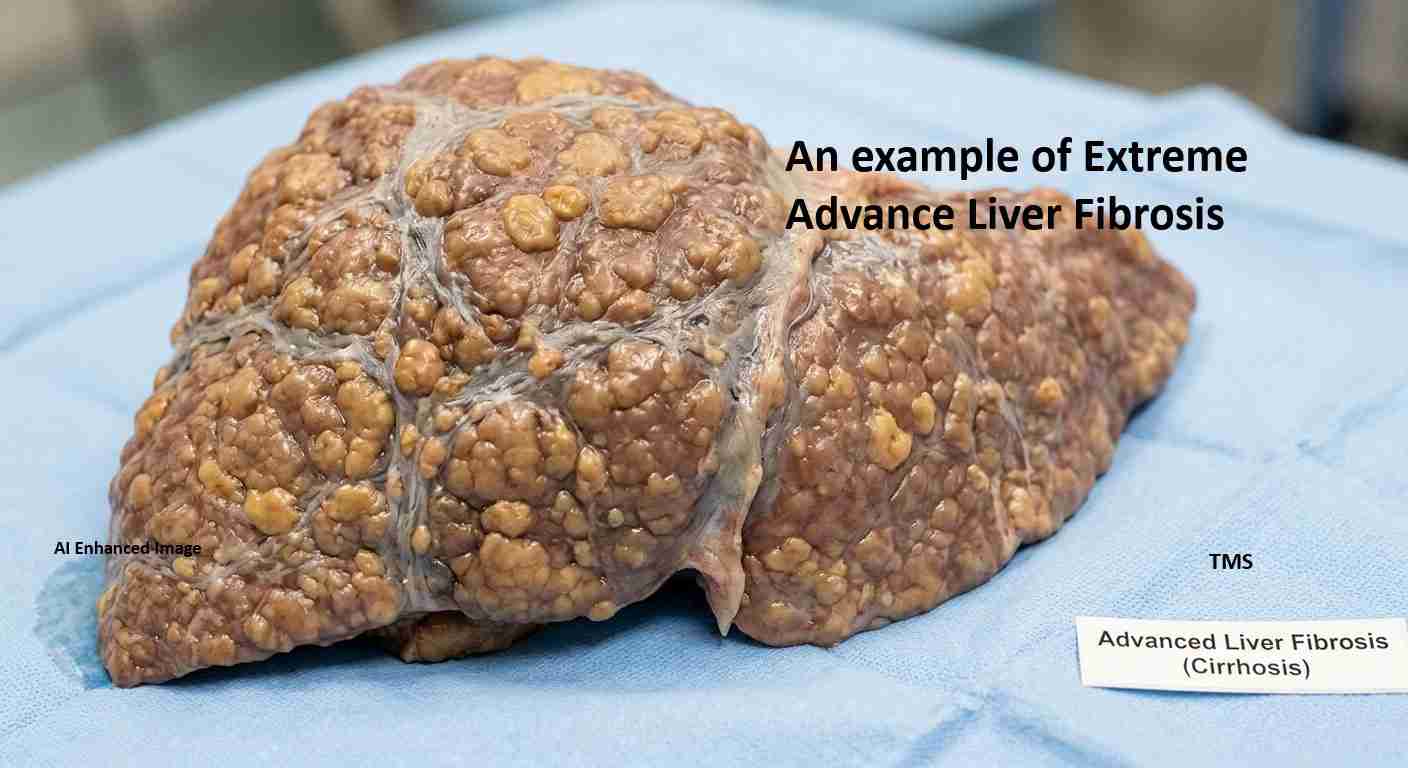
Even occasional binge drinking may triple risk of serious liver scarring in people with fatty liver disease, USC study finds
A USC study finds occasional heavy drinking—binge drinking at least once monthly—may triple the odds of advanced liver fibrosis in people with metabolic dysfunction-associated steatotic liver disease (MASLD), highlighting a major, underrecognized nationwide risk today.
Key takeaways
- Nearly threefold risk: Occasional heavy drinking (≥4 drinks/day women, ≥5 drinks/day men, at least monthly) was linked to almost three times higher odds of advanced liver fibrosis among people with MASLD, per the Keck Medicine press release.
- Large, recent sample: Researchers analyzed data from more than 8,000 adults using NHANES (2017–2023) and found episodic heavy drinking was common.
- Pattern matters: The more drinks in one session, the greater the association with scarring; younger adults and men were more likely to binge.
Main content
What the study looked at
Researchers led by hepatologist Brian P. Lee, MD, used U.S. National Health and Nutrition Examination Survey (NHANES) data (2017–2023) to examine alcohol patterns rather than only weekly totals. The focus was on episodic heavy drinking—commonly called binge drinking—and its link to advanced liver fibrosis in people with metabolic dysfunction-associated steatotic liver disease (MASLD). MASLD affects roughly 25–30% of U.S. adults and is associated with obesity, type 2 diabetes, high blood pressure and high cholesterol.
Key findings and numbers
Major outcomes reported by the team and summarized in the Keck Medicine press release include:
- Among people with MASLD, those reporting at least one monthly episode of episodic heavy drinking had nearly three times the odds of advanced liver fibrosis compared with people who consumed the same total alcohol spread out over time.
- More than 50% of participants reported at least one episode of episodic heavy drinking; about 16% of people with MASLD reported it.
- Risk of scarring rose with the number of drinks consumed per session; men and younger adults were more likely to engage in occasional heavy drinking (see SciTechDaily for summary).
How binge drinking harms the liver
Medical experts explain that binge drinking delivers a sharp, concentrated assault on the liver. Heavy alcohol in a short period elevates liver enzymes and produces toxic byproducts via pathways involving enzymes such as alcohol dehydrogenase and CYP2E1, increasing inflammation, oxidative stress and fat accumulation in liver cells. In people with underlying fatty liver from metabolic causes, that hit can accelerate progression to scarring. (See a prior report at UCSF.)
Animal and mechanistic studies back this biological plausibility: repeated binge sessions in mouse models produce fatty liver, inflammation and higher liver triglycerides versus moderate drinking. Binge patterns may also disrupt the gut barrier, allowing bacterial toxins into the bloodstream and fueling liver inflammation—an effect discussed in the NIH/PMC review and a recent Harvard Gazette summary.
What the researchers and doctors say
“In the liver world, we’re used to thinking about this as an average—for example, we categorize patients based on alcohol consumption per week,” said Dr. Brian P. Lee. “The pattern matters very much, and episodic heavy drinking is incredibly common.” — Keck Medicine press release
The study team made presentations and a public summary video; see the USC presentation/video and the Keck Medicine release for materials.
Limitations to keep in mind
This research is observational, so it demonstrates association, not causation. Alcohol-use data were self-reported and can undercount consumption. Results were focused on people with MASLD and may not generalize to people without fatty liver disease or to every demographic group. The authors note these limits while emphasizing a strong pattern-of-use signal that warrants public health attention.
Why this matters now: implications
Public health and economic effects: If episodic heavy drinking pushes more people with MASLD into advanced fibrosis, health-care systems, transplant programs and employers could face higher costs and more hospitalizations. Policymakers may need to consider expanded screening, prevention funding and education efforts that address both alcohol patterns and metabolic risks.
Community and cultural relevance: Social drinking norms that include occasional heavy sessions can have outsized effects on long-term liver health—especially for people with obesity, diabetes or other metabolic conditions. The study reframes the conversation: it’s not only how much you drink, but how you drink it.
Practical steps for individuals and clinicians
- Patients with MASLD or metabolic risk factors should discuss alcohol honestly with clinicians and consider avoiding binge episodes.
- Clinicians should ask about drinking patterns—not just weekly totals—when assessing liver risk.
- Public health campaigns can highlight the common habit of occasional heavy drinking and combine that message with advice on weight, diet and diabetes control.
Broader research and next steps
Future work should seek stronger causal inference, use objective measures of alcohol exposure, and test interventions to reduce episodic heavy drinking among people with fatty liver disease. For now, the practical takeaway for clinicians and patients is clear: patterns count, and avoiding occasional heavy episodes may lower the chance of progressing to serious liver scarring.