
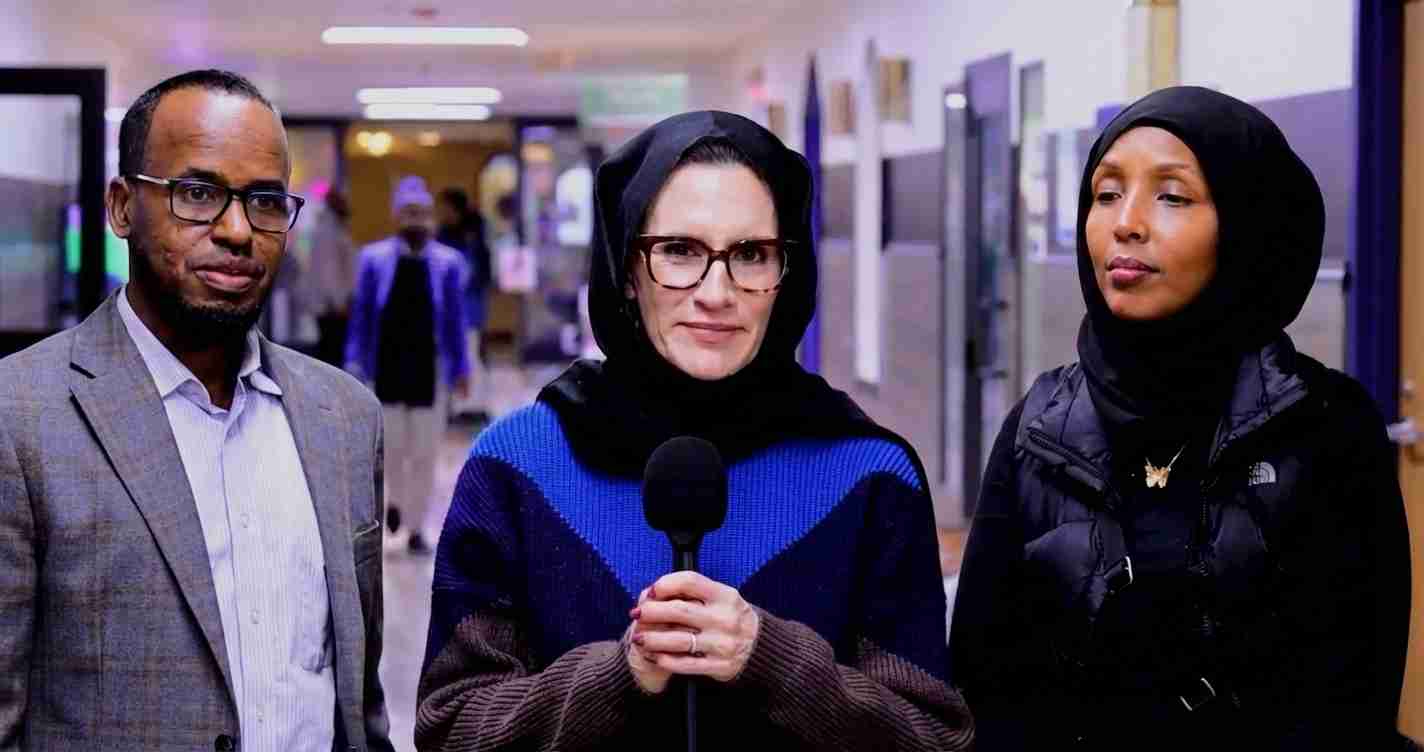
Minnesota Senate contender Peggy Flanagan pressed over viral hijab video claims; review finds no verified call for apology from GOP critic
Lieutenant Governor Peggy Flanagan is campaigning for the 2026 U.S. Senate seat vacated by Tina Smith, emphasizing support for middle-class families, protection of rights, and opposition to cuts to SNAP and Medicaid in a DFL primary against Rep. Angie Craig.
- Campaign note: 2026 Minnesota Senate race is an open seat after Sen. Tina Smith announced she will not seek reelection.
- Verification: Independent review found no reputable source confirming a Republican named David Hann publicly called on Flanagan to apologize for a viral hijab video.
- Campaign positioning: Flanagan highlights her record on economic security and rejects corporate PAC and AIPAC donations, citing volunteer strength and endorsements.
- Reporting guidance: Given the lack of corroboration, social posts claiming the video and apology demand remain unverified and should be treated cautiously.
Campaign background and positioning
Hometown roots and political rise. Peggy Flanagan is an Ojibwe member of the White Earth Nation whose childhood experience with a single mother on public assistance shapes her policy priorities. Her biography and public record are detailed on the Flanagan campaign site, which notes service on the Minneapolis School Board, leadership at the Children’s Defense Fund–Minnesota and election to lieutenant governor in 2019.
2026 Senate bid and DFL primary dynamics
Open seat politics: The vacancy created by Sen. Tina Smith has set up a high-profile contest. National observers frame the DFL primary as progressive versus moderate, with Flanagan facing U.S. Rep. Angie Craig (see the 2026 Minnesota Senate race overview).
Flanagan’s campaign reports organizational strength and fundraising: her committee’s filings show approximately $2.28 million raised (FEC committee filings). Local coverage, including a profile and interview, notes endorsements and volunteer growth as central to her strategy (KSTP profile and interview coverage).
Viral video claims and verification
What’s being claimed
Social posts have circulated alleging that a video showed Flanagan wearing a hijab while expressing solidarity with Minnesota’s Somali community amid claims of a large-scale fraud scandal. The posts also attribute calls for an apology to a Republican named David Hann. These assertions have spread on platforms without clear sourcing.
What an independent review found
A careful review of mainstream reporting, campaign statements and public records turned up no reputable confirmation of the core allegations. Key findings include:
- There is no identified, credible news report linking Flanagan to an apology demand from a Republican named David Hann over such a hijab video.
- Searches do not return David Hann as a current candidate or an active critic in coverage of the race; press coverage and local reporting do not connect him to the controversy (KSTP profile; 2026 Minnesota Senate race overview).
- No major Minnesota or national outlet has published verified footage or reporting corroborating the social media claims or the journalistic investigation named in some posts.
“Given the absence of corroboration in established reporting, the claims remain unverified and should be treated cautiously.”
Where David Hann fits — and where he does not
Searches across local and national reporting do not return a Minnesota Republican candidate or public official named David Hann linked to this controversy. That absence in the record weakens the reliability of social posts that attribute calls for an apology to him. Reporting on the 2026 contest lists multiple Republican and independent hopefuls; none of the mainstream beat coverage reviewed connects a David Hann to a public demand that Flanagan apologize (race overview).
What Flanagan has said — and what remains unanswered
Public remarks and interviews
Policy focus: Flanagan has publicly emphasized protecting middle-class families, reproductive freedom and opposing cuts to programs such as SNAP and Medicaid — programs she cites as helping her family growing up (see Flanagan’s campaign site). In a broadcast interview she expressed confidence in winning the DFL endorsement and referenced concerns about state fraud cases in broader accountability discussions; the station noted a fuller interview would air later (KSTP interview).
Unanswered questions and calls for clarity
Reporters and the public need verifiable sourcing and context if a video exists: who produced it, when it was published, and what it clearly shows. If a public figure called for an apology, responsible coverage should identify that person, provide direct quotes and cite public statements. At present, those elements are absent from the accessible record.
Campaign implications and the broader Minnesota Senate race
Fundraising, polls and endorsements
Flanagan’s campaign filings list roughly $2.28 million raised (FEC committee filings). Local reporting indicates she leads in some matchups and holds endorsements from leaders including St. Paul Mayor Melvin Carter and Minnesota Attorney General Keith Ellison (race overview).
Political messaging and potential liabilities
For moderate-conservative audiences, verified concerns about government fraud resonate as fiscal accountability issues. Verified reporting of oversight failures could become potent political ground. Conversely, unverified social claims that target ethnic or religious communities risk backlash and may energize Flanagan’s base if perceived as smear tactics.
Implications beyond Minnesota
Economic impact: Any controversy in a high-profile Senate race can affect national fundraising and lead to policy debates about federal program oversight, especially for SNAP and Medicaid.
Political consequences: An open seat in a battleground state has national stakes. Verified scandals could help challengers; unverified allegations can backfire and polarize voters.
Social effects: Allegations framed around ethnicity or religion — without verification — risk harming community relations in the Twin Cities and beyond. Responsible reporting is essential to avoid inflaming tensions.
Practical applications for voters and officials
- Voters: Seek primary-source materials and verified reporting before drawing conclusions from social posts.
- Officials and campaigns: Respond with transparency and evidence when allegations surface to limit misinformation.
- Journalists: Maintain verification standards and name clear sources, particularly when coverage touches on ethnic or religious communities.



