Humanoid Robot ‘Bebop’ Delays Southwest Flight in Oakland After Lithium Battery Raised Safety Concerns
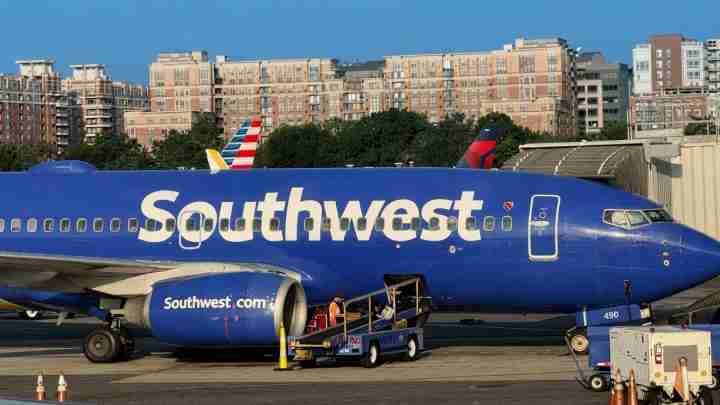
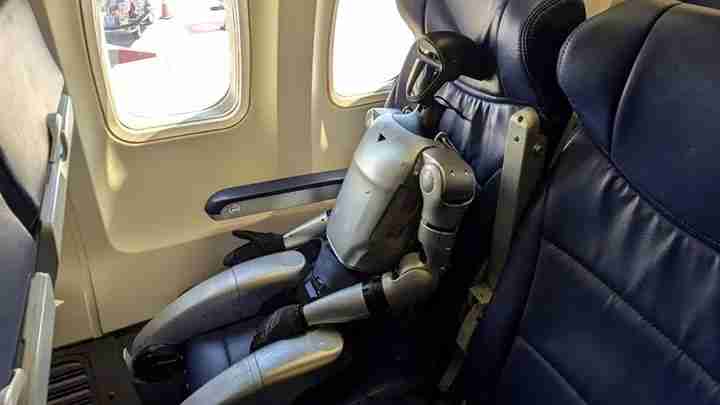
A Southwest Airlines flight from Oakland to San Diego was delayed an hour after a 4-foot humanoid robot named Bebop had its lithium battery removed at the gate because it exceeded airline safety limits, forcing the device to travel battery-less.
- Flight delay: Southwest Flight 1568 (OAK→SAN) held ~60–75 minutes after Bebop’s battery was confiscated.
- Device: Bebop, a ~4-foot, ~70–75 lb event robot owned by Elite Event Robotics; an extra seat was purchased to transport it.
- Cause & resolution: Battery exceeded airline/TSA limits, was removed and confiscated; robot continued without battery.
- Logistics impact: Company arranged overnight shipping to get the battery to Bebop’s next engagements.
What happened at the gate
Passengers and staff at Oakland International Airport gathered as Bebop “danced” and interacted with travelers, including children who high-fived the robot. Elite Event Robotics had moved Bebop from Dallas to Oakland en route to San Diego; the team discovered the robot plus its case exceeded Southwest’s 100‑pound carry limit and purchased an extra seat and registered Bebop as an inanimate object to board.
Boarding complications began when flight attendants flagged Bebop’s lithium battery. Airline staff determined the battery size exceeded allowable limits and, at the airline’s request, removed and turned it over to the aircraft’s confiscation department. The flight departed roughly an hour later; Elite Event Robotics later confirmed Bebop flew subsequent legs without a battery.
Statements from Southwest and Elite Event Robotics
Southwest confirmed a customer purchased a seat for a device and that the device’s lithium battery exceeded allowable size, prompting removal. The airline thanked the crew for following safety protocols and emphasized passenger and employee safety as the priority. (See coverage by Fox News.)
Elite Event Robotics acknowledged the delay on social media — calling it “Delayed but worth the wait” — and said Bebop remained a crowd favorite. The company described the unexpected logistics of getting the battery to Bebop’s next stop in Chicago, including family members driving and overnighting the battery to the hotel so the robot could perform.
Quote (company summary): “Delayed but worth the wait,” the firm wrote, noting Bebop’s continued popularity at stops despite the battery issue.
Why the battery mattered: safety and rules
Lithium batteries carry a known fire risk if damaged or short-circuited. The TSA guidance on lithium batteries and airline policies restrict battery size and how spares are carried—typically requiring spare batteries in the cabin and limiting watt-hour ratings for permitted batteries. Although Bebop had an extra seat as an inanimate object, its battery apparently surpassed the airline’s allowable threshold and was therefore removed.
Airline crew members apply established safety protocols when confronted with oversized or unapproved batteries; last-minute removals and confiscations are an enforcement practice intended to mitigate risk for passengers and crew.
Operational impacts and passenger reaction
The delay inconvenienced travelers; some reported missed connections and added costs. Social media mixed amusement and frustration — some called it a harmless publicity moment, others criticized bringing an oversized device into a cabin area. Flight crews must balance customer service with strict safety obligations and federal rules.
Operational ripple effects include expanded boarding times, gate holds that affect schedules, and potential compensation claims when passengers miss connections. For small companies, the extra time and logistics can translate into tangible financial losses.
Logistics for event and tech companies
The incident highlights challenges transporting battery-powered event technology. Elite Event Robotics had flown Bebop from Dallas to Oakland without issue earlier, underscoring that handling and documentation can vary by route and airline interaction. After confiscation in Oakland, getting the battery to the next stop required overnight shipping and family assistance — an unplanned expense and scramble for a small operator.
Regulatory background and precedent
TSA and airline policies on lithium batteries are strict and grounded in aviation safety data. Past incidents involving battery fires have prompted tighter rules: spare batteries usually must be carried in carry-on baggage and batteries over certain watt-hour ratings are restricted or require airline approval. As robots, e-bikes, scooters and other powered devices proliferate, gate disputes over admissibility are likely to increase.
Implications for the United States
Economic impact
- Event companies and small tech firms face added costs from delays, lost performances, and last-minute logistics.
- Airlines enforcing safety rules prevent risk but can harm customer goodwill and affect on-time performance metrics.
Political consequences
The episode may prompt lawmakers and regulators to revisit guidance for transporting emerging technologies. Debate could emerge over whether clearer, industry-specific rules or better advance-notice systems are needed to reduce last-minute gate conflicts.
Social effects & cultural relevance
The sight of a humanoid robot entertaining families in an airport reflects growing public interaction with advanced devices — sparking fascination, debate about appropriate public settings, and marketing opportunities for small firms.
Practical applications for travelers and operators
- Advance planning: Contact airlines ahead of travel to confirm rules and documentation for large battery-powered devices.
- Know the rules: Check TSA lithium battery guidance and carrier policies before arriving at the gate.
- Pack spares carefully: Carry spare batteries in the cabin and protect against short-circuit; avoid checked-baggage spares when prohibited.
- Have backups: Prepare shipping contingencies or local support to avoid missed events if batteries are refused at gate.
Sources
- Fox News — Airline flight delayed by humanoid robot after airline flagged battery
- NDTV — Humanoid robot traveling for work delays Southwest flight for over an hour in California
- YouTube clip — news video
- YouTube clip — news video
- TSA guidance on lithium batteries