
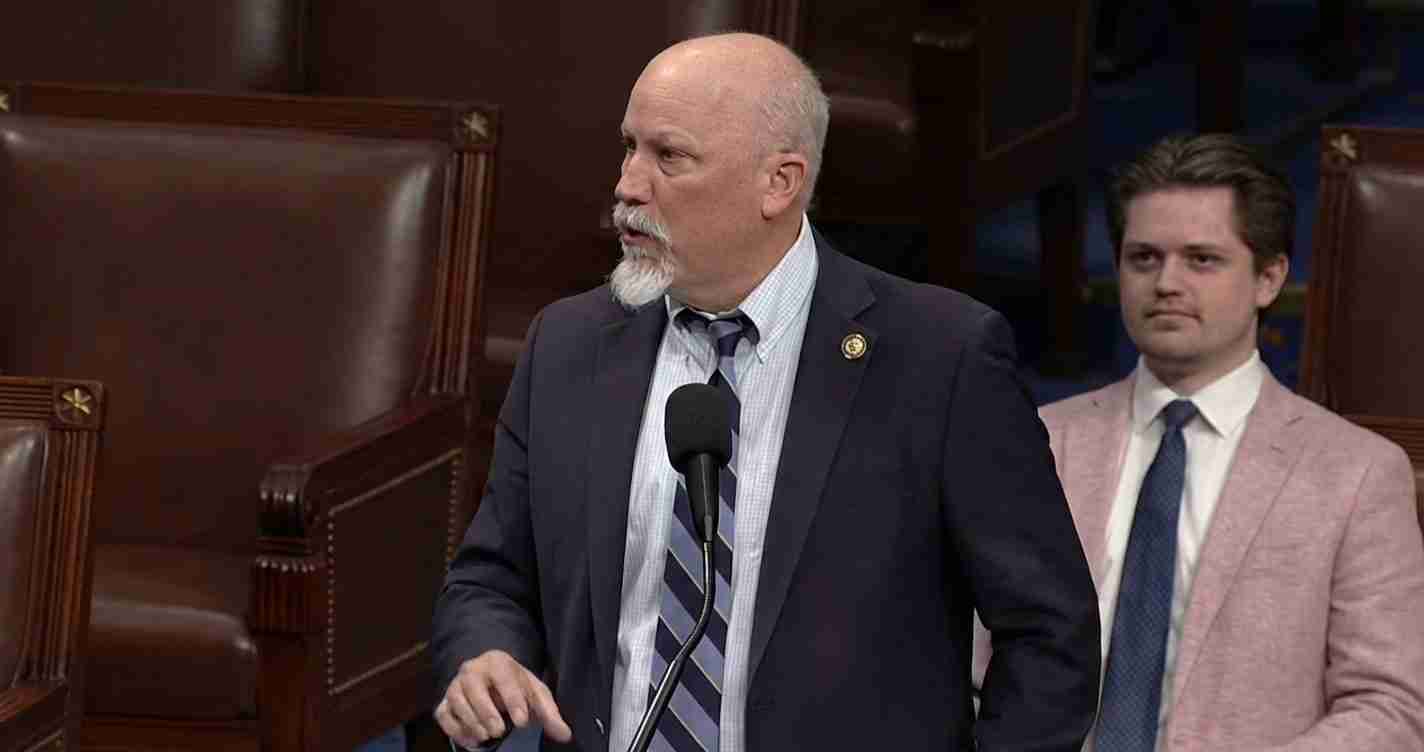
SAVE America Act sets up high-stakes fight over federal voter registration and voter ID requirements
The SAVE America Act, introduced in the 119th Congress, would impose federal documentary proof of citizenship for voter registration and require government-issued photo ID to vote, prompting debate over election security, access, and potential legal challenges.
Key takeaways
- Name: SAVE America Act (Safeguard American Voter Eligibility Act). Source: bill text and summaries and sponsor materials.
- Main changes: Requires documentary proof of U.S. citizenship for federal registration and a government-issued photo ID to vote in person. See the bill language and reporting: bill language and CBS News analysis.
- Enforcement: Creates civil and criminal penalties and allows private lawsuits against officials who register ineligible voters. See bill text.
- Status: Passed to the House floor for a planned vote amid pressure from conservative commentators and allies of President Trump; Senate passage faces filibuster hurdles. Sources: CBS News and the bill docket.
What the SAVE America Act would do
The bill would amend the National Voter Registration Act of 1993 to bar states from processing a federal registration form unless the registrant provides documentary proof of U.S. citizenship. Acceptable documents are narrowly defined in the draft legislation.
Acceptable evidence would include items like a U.S. passport, a REAL ID-compliant ID indicating citizenship, naturalization papers, or a military ID together with a birth record, among others (see sponsor materials: sponsor PDF and bill language: text).
At the polling place, the bill would require a government-issued photo ID to vote in person. Absentee voters would be required to include copies of their IDs with ballots, and if the ID does not show citizenship they must supply additional documentation unless lists are verified through Department of Homeland Security checks (reporting and analysis: CBS News; Campaign Legal Center summary).
The legislation directs states to use federal data — from the Department of Homeland Security, the Social Security Administration and other agencies — to identify and remove noncitizens from voter rolls, and it sets criminal penalties for officials who knowingly register or allow ineligible voters. It would also open election officials to private lawsuits for alleged violations (see bill text).
Supporters’ argument: election security and trust
Backers argue the bill strengthens election integrity. Supporters point to isolated cases of noncitizen voting and say documentary checks would protect elections and rebuild trust. They favor a single federal standard to prevent uneven state rules that, in their view, could allow errors or abuses (analysis: CBS News; Bipartisan Policy Center overview).
President Donald Trump has urged the bill’s passage, calling the issue “existential for American democracy” and criticizing current systems as “rigged” in a post on Truth Social.
Opponents’ case: disenfranchisement and practical harm
Critics say the bill would create major barriers for millions of eligible voters. Research from voting-rights groups warns many Americans do not have the required documents readily available — for example, tens of millions lack passports or birth certificates in their homes. Those groups say the measure would effectively end current online and mail registration practices and make voting harder for young people, women who changed names after marriage, people of color, low-income voters, recent movers and rural residents (see Brennan Center analysis; Campaign Legal Center).
They also warn of large-scale purges. Critics argue imperfect federal databases and mismatched records could lead to wrongful removals or rejections at the polls, and that private enforcement provisions plus criminal penalties would create legal pressure discouraging local officials from registering voters (reporting: CBS News; Democracy Docket).
Evidence on noncitizen voting and alternatives
Nonpartisan analyses find noncitizen voting is rare. There is little evidence of widespread fraud that would change outcomes, which shapes the central dispute: do stricter proof requirements solve a real problem or impose needless barriers? (See policy context: Bipartisan Policy Center.)
Some experts recommend targeted, data-driven verification and improved interstate data sharing rather than blanket documentary requirements that could exclude citizens who lack specified documents on hand.
Variations across versions and technical details
Drafts of the SAVE Act have evolved. Early versions prioritized citizenship verification for federal registration forms; later iterations added nationwide photo ID requirements and narrowed acceptable IDs. That tightening could exclude common forms like some college IDs, expired tribal IDs, or IDs lacking specified features or expiration dates (reporting: Democracy Docket; Brennan Center).
The bill relies on cross-checks with federal agencies to verify lists, but election officials caution those databases have errors and gaps; mismatches could disproportionately affect citizens whose records differ from federal files.
Legal and political hurdles
Even with House approval, the bill faces major obstacles in the Senate. Senate Republicans would need to clear a 60-vote filibuster or change rules to pass the measure. Some Senate Republicans have expressed caution, noting potential perceptions of voter suppression and the likelihood of extensive litigation and administrative costs (reporting: CBS News).
Private enforcement provisions could trigger years of court battles; similar litigation has followed prior voting cases, and enactment could prompt waves of suits across states (see bill text).
Who is publicly for it — and who isn’t
House sponsors and some conservative commentators frame the bill as necessary election-security reform. President Trump has publicly pushed for its passage. Reports that certain entertainers or private tech figures back the bill are not verified in available reporting and should be treated as unconfirmed unless tied to reliable sources (reporting: CBS News).
Implications for United States of America
- Economic and administrative costs: State and local election offices could face new expenses to verify documents, train staff, and handle appeals and litigation; smaller counties may struggle to meet mandates (analysis: Brennan Center; CBS News).
- Political consequences: Changes in turnout patterns could shift outcomes in close races if millions of eligible voters lack required documents or cannot navigate new processes (analysis: Campaign Legal Center; Brennan Center).
- Social effects: Communities wary of verification — including recent immigrants and some minority groups — may be less likely to engage, reducing participation and increasing alienation (reporting: Democracy Docket).
- Legal and rule-of-law issues: Private enforcement and criminal penalties could expand litigation and put election officials at legal risk, discouraging proactive registration drives (see bill text).
- Practical day-to-day impacts: Ending routine online and mail registration without accessible alternatives could force many voters to appear in person to verify citizenship, making registration and voting more time-consuming for workers, caregivers, rural residents, and students (reporting: CBS News; Bipartisan Policy Center).
Sources and reporting
- Bill texts and official materials: H.R. 22, related text; sponsor materials: sponsor PDF.
- News and analysis: CBS News reporting; Bipartisan Policy Center overview; Brennan Center analysis; Campaign Legal Center summary; Democracy Docket reporting.
This story will be updated as legislative action and public statements from key figures, including congressional leaders and the White House, become available.



