
Seattle mayor shrugs off millionaire departures, saying “bye” as critics warn of Washington state tax exodus
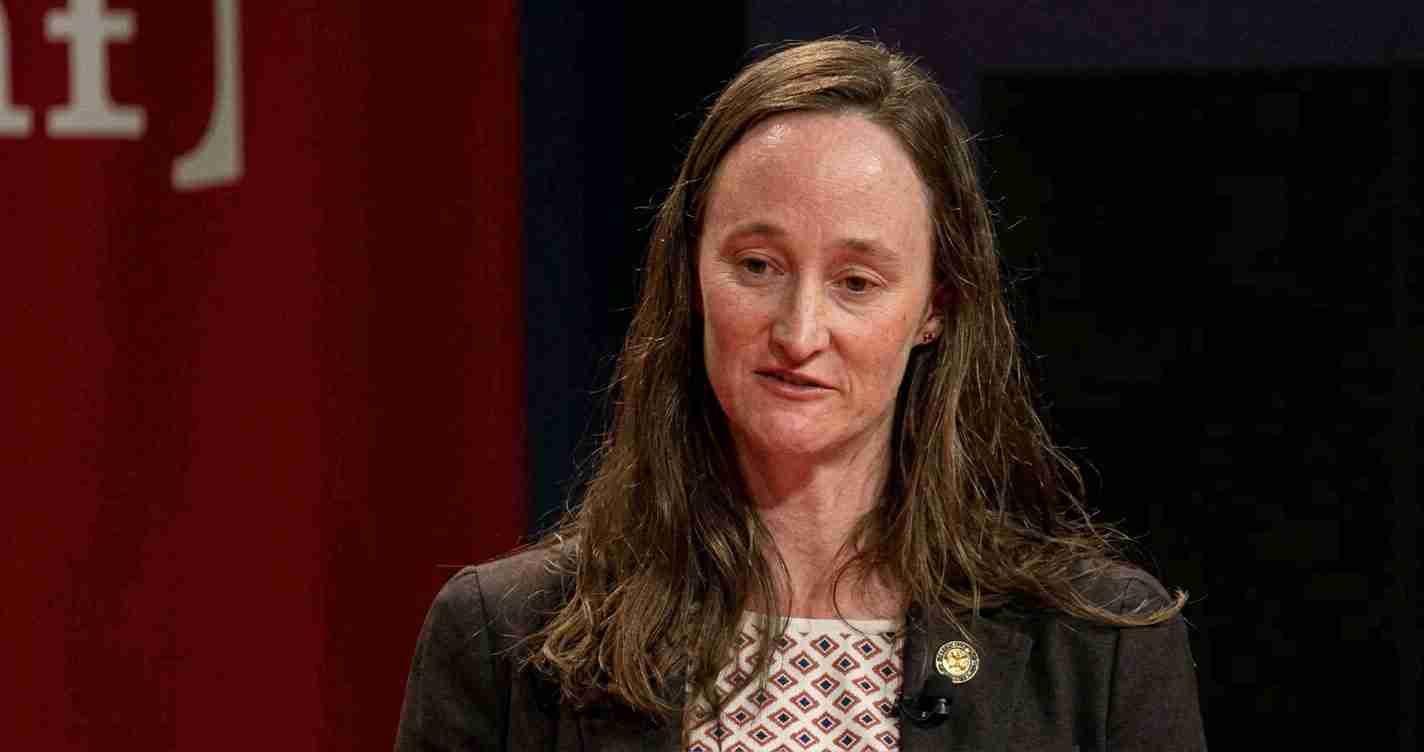
Seattle Mayor Katie Wilson sparked debate and laughter on April 14, 2026, at a Seattle University event by shrugging off concerns that millionaires would flee Washington over a new 9.9% tax, quipping “bye” to dissenters.
- Mayor Katie Wilson called claims millionaires would leave “super overblown” and added, “and if — the ones that leave, like, bye, ” prompting cheers and laughter.
- Wilson praised Washington’s 9.9% top tax while stressing the state’s broader tax system remains regressive and city leaders must consider competitiveness.
- Her office is exploring progressive city-level options that would not raise employer payroll costs and is trimming programs that do not deliver results.
Event, remarks and video evidence
At the April 14 Seattle University Conversations event, Wilson answered whether progressive taxes are an “easy and promising solution” to Washington’s tax climate. She said they are not easy, but expressed excitement about the state’s new millionaire tax and dismissed mass-exodus fears as “super overblown.” Video from the event captures her line — “and if — the ones that leave, like, bye” — followed by audience laughter and applause.
See reporting and footage: GeekWire reporting on the event and reaction and the event video (Seattle University Conversations, clip 1) and event video (Seattle University Conversations, clip 2).
What she said on budget and spending
Wilson warned of a “large structural budget deficit” in Seattle and said her budget team is focused on using revenue more efficiently. She emphasized that being progressive does not mean endlessly layering on spending; instead, programs that do not work will be cut. The mayor also stressed exploring progressive options that avoid increasing payroll costs for employers.
Those lines were delivered as part of an effort to balance new revenue goals with concerns about jobs and business costs, with Wilson framing choices around both equity and competitiveness.
Background: Wilson, the millionaire tax and past efforts
Wilson, elected mayor in November 2025, has been described as a democratic socialist in some coverage and compared to other progressive municipal leaders. Her campaign material lays out a push for progressive revenue and cites research on Washington’s regressive tax system, including analysis from University of Washington economist Jake Vigdor.
The state’s new 9.9% tax targets income above $1 million and was passed by the Legislature earlier in 2026; supporters call it a step toward tax fairness and funding services, while critics warn high top rates could change high-earner behavior. Wilson has previously worked on policies such as JumpStart, a payroll expense tax designed to shift burdens away from low- and middle-income workers.
More on the campaign position: Wilson campaign on progressive revenue and JumpStart.
Reactions: tech sector, conservatives and allies
Local tech leaders and business groups reacted sharply, saying the mayor’s “bye” quip was “no laughing matter” for those worried about Seattle’s competitiveness. Coverage in tech media highlighted concerns that mobile firms and high-earning talent may respond to tax signals.
Conservative commentators amplified the clip as evidence of an anti-business stance, while Wilson’s campaign and progressive allies pushed back, arguing a modest exodus would not outweigh equity gains from new revenue streams.
See conservative commentary: National Review commentary. Tech coverage: GeekWire reporting on the event and reaction.
Legal and practical limits on local income taxes
Wilson referred to earlier Seattle efforts to enact a city income tax on high earners that passed City Council but later encountered state-level legal limits going back decades. Those legal constraints limit straightforward municipal income taxes and push policymakers to consider payroll or business taxes as alternative progressive tools.
Open questions and what to watch next
- Migration effects: Will the 9.9% tax change where top earners live or work? Economists differ, and direct links between a single tax change and migration can be hard to measure.
- Balancing revenue and competitiveness: How will Seattle raise revenue while avoiding higher business costs? The mayor said options include taxes that do not increase payroll costs and program cuts for inefficiency.
- Legal pathways: Will legal limits continue to force cities toward non-income progressive tools like payroll or business taxes?
Implications for the United States
The exchanges around Wilson’s comments reflect a broader national tug-of-war: jurisdictions weighing higher top rates must consider capital mobility, competitiveness and long-term economic effects. If other states emulate Washington’s approach, lawmakers will face trade-offs between tax fairness and attracting jobs and investment.
Politically, the episode underscores a growing fault line: some voters see the remark as emblematic of a pro-redistribution stance that risks business growth, while others view it as a blunt admission that targeted taxes can finance essential services without triggering mass departure of wealthy residents.


