
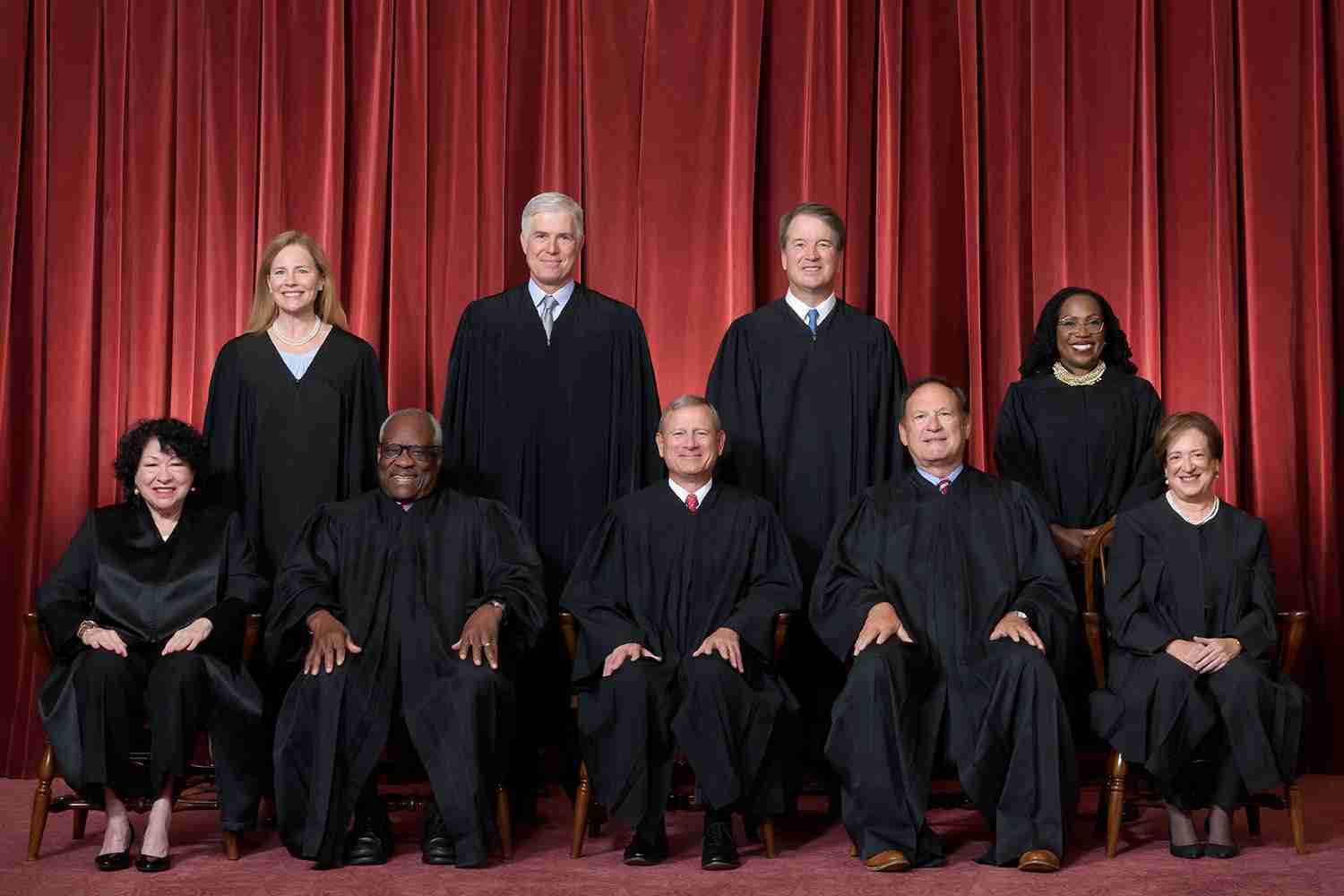
Supreme Court extends Trump $5 billion foreign aid freeze in emergency order
The Supreme Court Friday extended an emergency order allowing the Trump administration to keep nearly $5 billion in congressionally approved foreign aid frozen, a procedural move preserving the status quo while courts weigh separation-of-powers and funding disputes.
Key takeaways
- The court’s conservative majority granted the administration’s emergency appeal to keep the freeze in place; the three liberal justices dissented. Sources: The Daily Record, Los Angeles Times.
- The order is procedural and indefinite, preserving the status quo while lower courts and the high court consider the legal merits. Coverage: The Daily Record, Los Angeles Times.
- Lower-court finding: U.S. District Judge Amir Ali described the freeze as “likely illegal,” saying Congress must approve withholding appropriated funds; reporting: The Daily Record, Los Angeles Times.
- Humanitarian concerns include stalled programs and reports of food aid spoiling; background on related litigation was covered by GV Wire and other outlets.
Main coverage and analysis
Case background and legal path
Last month, President Trump announced a pause on nearly $5 billion in foreign aid that Congress had approved, invoking a rarely used presidential authority dating back roughly 50 years to redirect or withhold foreign spending tied to national security and foreign-policy priorities. Reporting on the announcement and statutory justification is available from The Daily Record and the Los Angeles Times.
A coalition of states and aid organizations filed suit, arguing the president lacked authority to suspend funds that Congress had appropriated. U.S. District Judge Amir Ali issued an order finding the freeze was “likely illegal,” writing that the executive branch must provide stronger justification before pausing congressionally mandated spending. (See The Daily Record, Los Angeles Times.)
The administration appealed. A federal appeals court declined to block Judge Ali’s ruling, prompting Chief Justice John Roberts to issue a temporary stay on Sept. 9; the full Supreme Court then extended that stay in its recent procedural order, keeping the freeze in place while the courts continue consideration.
Emergency appeals and the court’s approach
This case highlights how the administration has used emergency appeals to accelerate review. Instead of waiting for ordinary appellate processes, the administration repeatedly sought immediate relief; the Supreme Court’s conservative majority has granted multiple such emergency applications in recent months, enabling rapid, procedural orders that preserve policies while litigation proceeds. See reporting in The Daily Record and the Los Angeles Times.
Those fast-track emergency actions have touched migrant protections, federal employment decisions, and regulatory leadership. The court’s orders frequently provide limited explanation and are procedural steps rather than final merits decisions.
Legal and constitutional questions
At the center is the constitutional principle of the separation of powers and Congress’s power of the purse. Plaintiffs contend the Constitution vests spending decisions with lawmakers and that the president cannot unilaterally suspend or redirect funds appropriated by Congress. Supporters of the administration counter that the executive needs flexibility to respond to national-security and foreign-policy contingencies and cite the decades-old statutory authority invoked to justify the pause. (Coverage: The Daily Record, Los Angeles Times.)
“How much discretion can a president exercise over money Congress sets aside?” — the central constitutional question that will affect foreign policy and the balance of powers.
Humanitarian and policy impact
Advocacy groups and international partners warn of immediate harm: reports of food aid rotting in warehouses and program disruptions in countries reliant on U.S. assistance. Those groups say the freeze undermines U.S. credibility and damages development, health, and humanitarian work. Background and earlier related litigation are chronicled by GV Wire and other outlets.
Earlier this year the court rejected a related emergency bid to freeze nearly $2 billion in aid by a narrow vote, illustrating the intense division among the justices on similar issues (see GV Wire).
Why the decision matters for governance
For moderate conservatives and other readers, practical and constitutional concerns coexist: a president needs tools to respond to sudden threats, yet unchecked executive withholding of appropriated funds risks eroding Congress’s role. The dispute therefore pits efficient executive action against constitutional guardrails.
Implications for the United States
Economic impact: Delays in nearly $5 billion can ripple through international programs that involve U.S.-based contractors and non-profits, causing lost contracts, wages, and work, and potentially raising costs for future assistance.
Political consequences: Congress may pursue clearer statutory limits or additional oversight to prevent unilateral executive freezes without legislative approval; conversely, proponents will argue for stronger presidential discretion in foreign policy. The Supreme Court’s emergency handling raises questions about judicial deference and the court’s role in policy disputes.
Social effects: Interruptions to humanitarian programs can increase instability, migration pressure, and global-health risks with domestic consequences. Citizens concerned about stewardship of taxpayer dollars may view broad administrative discretion skeptically.
Cultural relevance: The debate reflects deeper differences about American leadership abroad — some favor decisive executive action, others seek predictable, bipartisan-backed foreign policy.
Practical applications
For federal agencies, contractors, and aid organizations, continued uncertainty requires contingency planning in budgeting and program delivery. Legal teams should prepare for extended litigation timelines. For Congress, this may spur legislative clarification on when and how the executive can pause appropriations.
Next steps
The Supreme Court’s order is procedural and preserves the freeze while lower courts and the high court consider fuller briefing and argument. A final merits ruling could come later and will likely set a precedent on the scope of presidential authority over appropriated funds.



