
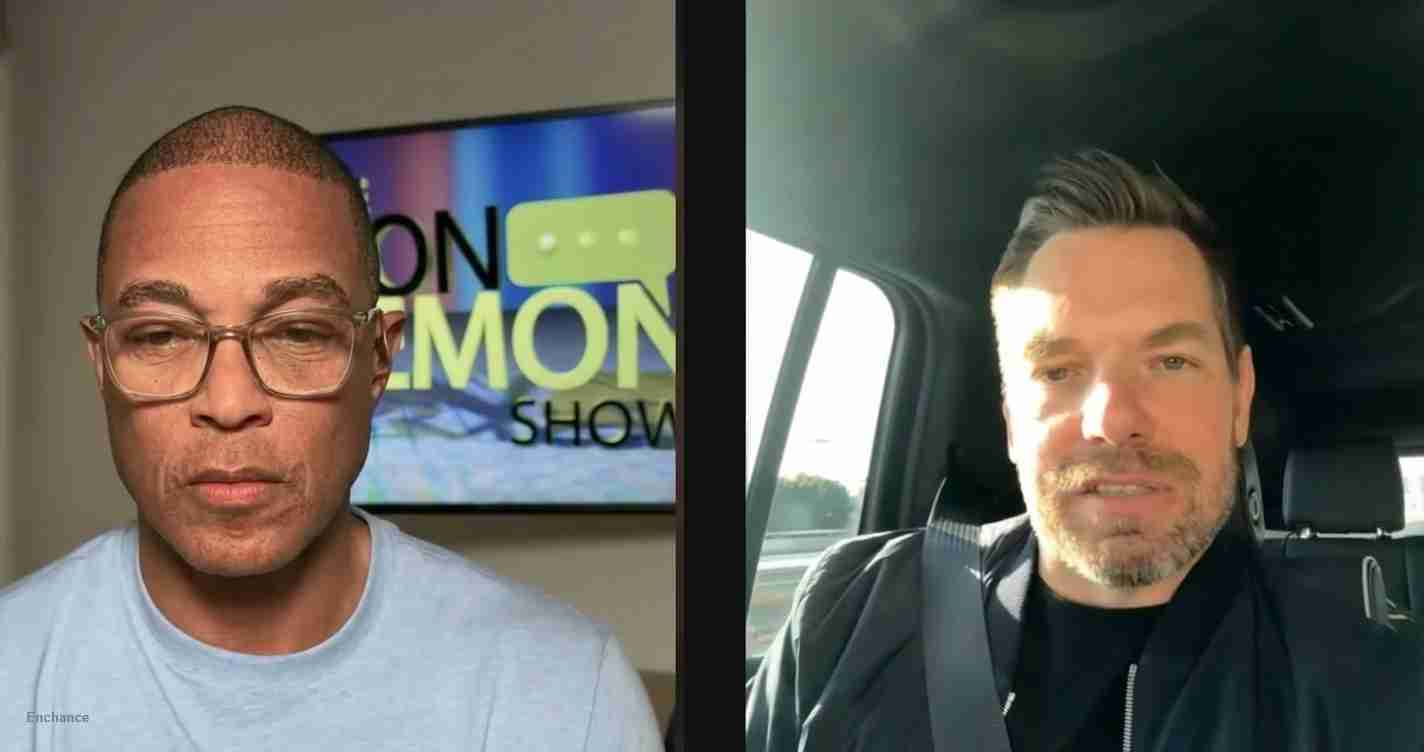
Swalwell says military can act as a check on Trump after video urges troops to “refuse illegal orders”
Rep. Eric Swalwell said the U.S. military could serve as a constitutional check on President Trump, urging service members to refuse unlawful orders after a video of lawmakers prompted a Department of Defense review and intensified partisan debate.
- On CNN: Swalwell told Don Lemon’s show the military could act as a check if courts and Congress fail.
- Video prompt: Six Democratic lawmakers urged troops to refuse illegal orders, which sparked the controversy.
- DoD review: The Department of Defense opened a formal review after retired Navy captain Sen. Mark Kelly appeared in the clip.
- Constitutional duty: Swalwell cited service members’ oath to the Constitution and military law as the basis for refusing unlawful commands.
Swalwell’s remarks on Don Lemon’s show
On CNN’s Don Lemon program, Rep. Eric Swalwell described a short video in which six Democratic lawmakers told service members they have a duty to refuse unlawful orders. He said he has spoken with military personnel who told him, “We’re not going to betray our oath to the Constitution because this guy tells us to.”
Swalwell argued that when Congress and the courts do not act, the honor and integrity of the armed forces could become a last line of defense for constitutional order. He also framed the administration’s pursuit of Sen. Mark Kelly as evidence of a potential willingness to carry out unlawful directives.
Swalwell: “To me, the only reason you’d go after Mark Kelly if he’s telling soldiers, ‘You don’t have to follow an unlawful order’ — and they don’t — is if you intend to carry out unlawful orders.”
The video and the Department of Defense review
The clip featured six Democratic lawmakers urging members of the U.S. military to refuse orders that are clearly illegal under military law and constitutional principles. After retired Navy captain Sen. Mark Kelly appeared in the footage, the Department of Defense launched a formal review to assess whether his participation violated rules for uniformed or retired personnel.
Kelly’s presence in the video became a focal point: Republicans accused Democrats of encouraging insubordination, while Democrats said the message was a lawful reminder of duty and moral responsibility.
Legal and constitutional background
U.S. military law draws a sharp distinction between lawful and unlawful orders. The Uniform Code of Military Justice and long-standing legal tradition require service members to obey lawful commands and to refuse those that are manifestly illegal. Swalwell cited these principles in arguing that service members could block unlawful directives when civil institutions fail.
For further context, see official guidance such as the Department of Defense materials and summaries of the UCMJ summaries.
Swalwell’s political framing and Republican response
Swalwell linked the controversy to broader concerns about executive intent and the way some in the administration discuss the military. He suggested the administration’s actions—specifically targeting Sen. Mark Kelly—imply a fear of limits on presidential power.
Republican critics argue that urging service members publicly to refuse orders can undermine discipline, morale, and civilian control by introducing partisan pressure into the chain of command. Debates also touched on the appropriateness of retired officers appearing in political content.
Voices from the Senate and military observers
Sen. Ruben Gallego (D-Ariz.) echoed Swalwell’s concerns on television, warning that any targeting of sitting senators or members of Congress by the executive branch would be deeply dangerous and could amount to weaponizing government powers against opponents.
Military analysts emphasize that civilian control of the armed forces is fundamental to U.S. democracy, coexisting with the legal expectation that service members refuse manifestly unlawful orders. The video highlights tension between those principles in a highly polarized environment.
Why this matters now
The controversy arrives amid heightened worries about the potential misuse of executive power. Advocates for the video say the military’s oath to the Constitution is a necessary safeguard when political institutions fail. Critics worry public appeals could be construed as encouraging disobedience or weakening military effectiveness.
This debate centers on two legitimate aims: preserving the rule of law and maintaining military readiness and discipline.
Implications for United States
Economic and governance impact
- Political instability and disputes over civil-military relations can affect investor confidence, defense contracting, and federal budgeting.
- A prolonged public fight involving the Defense Department could distract leaders from operations, readiness, and long-term planning.
Political consequences
- The debate could shape campaigns and Congressional battles, with centrists and conservatives wary of politicizing the armed forces.
- Calls for refusing orders may mobilize both voters who fear authoritarian tendencies and those who prioritize order and chain of command.
Social effects
- Service members, veterans, and families may feel torn between duty and political messaging, potentially straining trust with civilian leaders.
- Public discourse may further polarize, with competing groups framing the same actions as constitutional defense or an attack on discipline.
Cultural relevance
The military’s broad public respect lends weight to framing it as a constitutional check, but that approach risks drawing service members deeper into partisan conflict. Localities with large military populations may see heightened debate, town halls, and media attention.
Practical applications for citizens
- Expect hearings, further Pentagon statements, and legal analysis clarifying boundaries for retired officers’ political activities.
- Members of Congress may propose legislation clarifying political activity rules for current and former military personnel or protections for refusing unlawful orders.
Sources and further reading
- Don Lemon show (CNN)
- Department of Defense
- U.S. House Office of Rep. Eric Swalwell
- Sen. Mark Kelly’s Senate office
- UCMJ summaries
Reporting note: This article is based on Rep. Eric Swalwell’s on-air comments, the text of the video featuring six Democratic lawmakers, and statements about a Department of Defense review. Times Media Service compiled and reported the initial findings.



