States Crack Down on “Gas Station Heroin” Tianeptine as Health Warnings Multiply
Tianeptine, nicknamed “gas station heroin,” is an unapproved, opioid-like substance sold illegally in stores and online across the U.S., prompting state bans amid health experts’ warnings about addiction, overdose, lethal respiratory depression and youth exposure.
- State action: Fourteen states have moved to schedule or ban tianeptine; VCU Health reports Connecticut most recently added it to Schedule I alongside kratom and phenibut.
- Drug profile: Tianeptine is not FDA-approved in the U.S., can act like an opioid at high doses and has been tied to addiction, overdose and death (FDA).
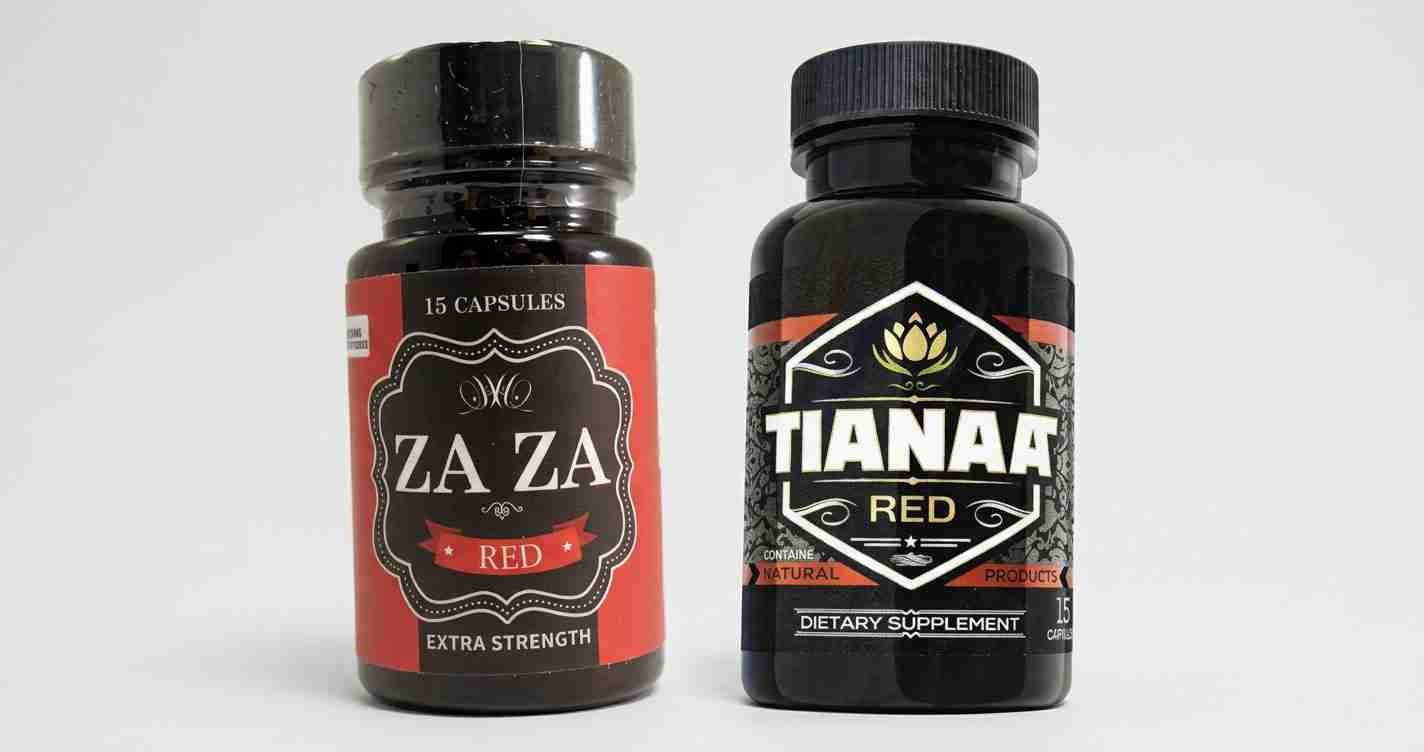
- Availability: Sold under names like Tianaa, ZaZa, Neptune’s Fix, Pegasus and TD Red in gas stations, vape shops and online, often with misleading health claims (FDA).
- Clinical risk: At low doses affects serotonin; at high doses stimulates mu-opioid receptors, producing opioid-like respiratory depression documented in fatal and near-fatal cases (New Jersey Health Alert).
What is tianeptine and why it alarms doctors
Tianeptine was developed and is prescribed at low doses in some countries for depression and other conditions, but it has never been approved by the U.S. Food and Drug Administration for any use, including as a dietary supplement. U.S. users commonly take doses far above therapeutic levels used abroad, greatly increasing the risk of harm. For federal updates see the FDA and for a consumer overview see the Mayo Clinic.
Medical experts emphasize a twofold danger: at lower doses tianeptine alters serotonin signaling, while at higher doses it stimulates mu-opioid receptors, producing euphoria, tolerance and the same risk of suppressed breathing seen with classic opioids. Dr. Robert Schwaner, vice chair of system clinical affairs at Stony Brook Emergency Medicine, has warned the mu-opioid effects can become lethal as doses rise. The DEA and regional poison centers have documented fatal and near-fatal exposures (VCU Health; NJ Health Alert).
Regulatory moves and federal attention
With federal regulation lagging, states have moved to protect residents. Connecticut recently added tianeptine to its Schedule I list; officials cited addiction concerns and candy‑like flavored products that attract young buyers. Officials point to state press materials and monitoring that show the product’s deceptive marketing.
At least a dozen other states have scheduled or banned tianeptine. Federal agencies issued public notices in 2025 alerting the public to the trend and members of Congress reintroduced legislation aimed at prohibiting marketing of dangerous tianeptine products; see materials from Rep. Pallone / Sen. Durbin and the FDA.
How people use and misuse the products
Tianeptine products are often marketed with false or misleading claims about pain relief, mood, energy or cognition. They appear in flavored formats and packaging designed to appeal to younger buyers. Many users seek an opioid-like high or attempt to self-treat withdrawal from other drugs. Poison control centers report a steady rise in exposure calls over the past two decades (FDA; NJ Health Alert).
Health risks, clinical effects and the challenge for emergency care
Clinicians describe a range of presentations: agitation, confusion, drowsiness, nausea, vomiting and sweating, with common cardiovascular signs including hypertension and tachycardia. Severe outcomes reported include seizures, coma and respiratory depression that may require ICU support. A 2024 New Jersey cluster linked products sold as Neptune’s Fix to deaths, seizures and hypotension, sometimes after mixing with opioids, benzodiazepines or synthetic cannabinoids (NJ Health Alert).
Withdrawal resembles opioid withdrawal with sweating, diarrhea, myalgia, chills, severe anxiety and depression. Addiction specialists and emergency clinicians urge aggressive prevention and treatment; many cases need ICU-level care. A Virginia report noted roughly one-third of 2024 cases required intensive treatment (VCU Health).
Detection, mixing risks and public safety
Tianeptine is not detected by most routine drug screens, complicating diagnosis for first responders and clinicians. The danger multiplies when tianeptine is combined with other central nervous system depressants — opioids, benzodiazepines or alcohol — increasing the risk of fatal respiratory suppression. Public health authorities urge parents, schools and retailers to watch for flavored powders, pills and liquids sold under street names.
Industry tactics and where products turn up
Market surveillance shows tianeptine products remain available in convenience stores, gas stations, vape shops and online retailers. Packaging often mimics legitimate supplements and includes inaccurate health claims — a primary reason cited by states for scheduling the product (FDA; Mayo Clinic).
Expert warnings and advice to the public
Federal agencies, poison centers and front-line physicians urge people to avoid tianeptine products entirely. Anyone who suspects exposure should contact poison control (for example, NJPIES at 1-800-222-1222) or the SAMHSA national helpline for support and treatment referrals (NJ Health Alert).
Public health leaders call for stronger national action to limit cross-border sales and online supply chains that undermine state bans. Clinicians advocate clearer labeling, tighter online enforcement and criminal penalties for sellers who market dangerous, unapproved drugs.
Implications for the United States of America
Economic impact
Retailers — convenience stores, vape shops and online sellers — will face compliance costs and potential lost revenue if sales are restricted. Stores that unknowingly stocked tianeptine products may need support to identify and remove illegal inventory. Reduced supply could lower emergency medical costs tied to overdoses and ICU care (FDA).
Political consequences
State bans reflect bipartisan appetite for public-safety measures. Lawmakers favoring stronger federal standards may use this issue to push national legislation limiting interstate sale and marketing of unapproved psychoactive substances (Rep. Pallone / Sen. Durbin).
Social effects
Communities fighting the opioid crisis must watch closely: tianeptine can prey on people with substance-use disorders and attract youth with flavored products. Public education campaigns and school outreach are needed to reach at-risk groups (VCU Health).
Cultural relevance
The rapid retail spread of tianeptine echoes earlier public-health surprises like vaping. The ordinary retail setting for a dangerous product makes it harder for families to spot risk; messaging that combines personal responsibility, parental oversight and retailer accountability may be effective.
Practical applications for residents
- Parents: Secure medicine cabinets and check household purchases for unfamiliar branded products such as Tianaa, ZaZa, Neptune’s Fix, Pegasus and TD Red.
- Retailers: Audit inventory for unlabeled or suspicious supplements and remove items making health claims inconsistent with FDA approval.
- Clinicians and first responders: Consider tianeptine in unexplained opioid-like overdoses and consult poison control early (NJ Health Alert).
Sources and further reading
- FDA: “New ‘gas station heroin’ tianeptine product trend”
- VCU Health: “What you need to know about gas station heroin”
- National Center for Biotechnology Information (research news)
- Mayo Clinic: Tianeptine safety overview
- New Jersey Health Alert (2024 cluster report)
- Rep. Pallone / Sen. Durbin press materials on legislation (House)
- SAMHSA national helpline
If you suspect exposure to tianeptine, contact your local poison control center or call 1-800-222-1222 for immediate guidance.