CES 2026 Gadgets: 10 Showstoppers From Las Vegas You Need to See
CES 2026 in Las Vegas showcased groundbreaking innovations, but a select few stole the show — from LG’s Wallpaper OLED to the Dreame Cyber X stair‑climbing vacuum, this roundup examines the top 10 devices and the trends they reveal.
- Design and display: Ultra‑thin, wireless gallery TVs led visual attention, headed by LG’s W6 Wallpaper OLED.
- Robotics evolution: Home robots moved from single‑task vacuums to multi‑role companions with mobility and sensing upgrades.
- Privacy and utility: Wearables and safety devices emphasized on‑device inference, subtle design and practical use cases.
- Mobility and power: Automotive and portable power concepts signaled changing interiors and autonomous, off‑grid solutions.
The top 10 gadgets from CES 2026
1) LG W6 Wallpaper OLED TV — the show’s headline display
What it is: A near‑paper‑thin OLED dubbed the Wallpaper W6 that mounts almost flush to a wall and uses a wireless Zero/One Connect box for inputs and processing.
Why it mattered: The W6 blends striking industrial design with serious display upgrades — a reported ~3.9× brighter OLED stack, Primary RGB Tandem OLED tech, Hyper Radiant Color, and gaming specs like 4K at 165 Hz plus G‑SYNC/FreeSync support. Its thin, mostly cable‑free look made it one of the most photographed TVs at CES.
Coverage and manufacturer details: Engadget, What Hi‑Fi, and LG newsroom. Demo video: LG video. See LG CES materials: LG Canada CES page and LG CES pages.
2) Dreame Cyber X — a stair‑climbing robot vacuum
What it is: A concept‑to‑product robot vacuum designed to climb stairs and handle multiple floors without manual lifting.
Why it mattered: For homes with steps or split levels, the Cyber X tackles a long‑standing limit of robot vacuums. It uses an articulated drive, lidar/vision mapping and room scheduling to attempt whole‑home cleaning. Final battery and launch details were not locked at the show; coverage is based on CES floor reports and Dreame briefings.
3) SwitchBot AI MindClip — small, smart, privacy‑aware wearable
What it is: A clip‑on, screenless wearable that acts as an ambient AI assistant focused on smart‑home control.
Why it mattered: Rather than another social AI pin, the MindClip leans into local sensing and on‑device inference to control lights, thermostats and routines, while aiming to limit continuous audio/video streaming. Reporting emphasized its practical, privacy‑first approach based on SwitchBot briefings at CES.
4) LG CLOiD — a rolling mobile hub
What it is: The next evolution of LG’s CLOi robots, CLOiD is a companion robot that moves through the home to assist with appliances and reminders.
Why it mattered: CLOiD acts as a mobile smart‑home hub, with voice interaction, a face‑like UI and person recognition that could serve elder‑care and family reminders. Coverage came from LG’s CES showcase and demo briefings. See LG CES materials: LG CES pages.
5) Glyde Smart Hair Clippers — grooming gets connected
What it is: Smart clippers with sensors, app guidance and user profiles for precise home and pro haircuts.
Why it mattered: Glyde brings pro features—cut‑length tracking, angle guidance and maintenance alerts—to consumer grooming. It was highlighted as a surprise practical gadget on the CES floor.
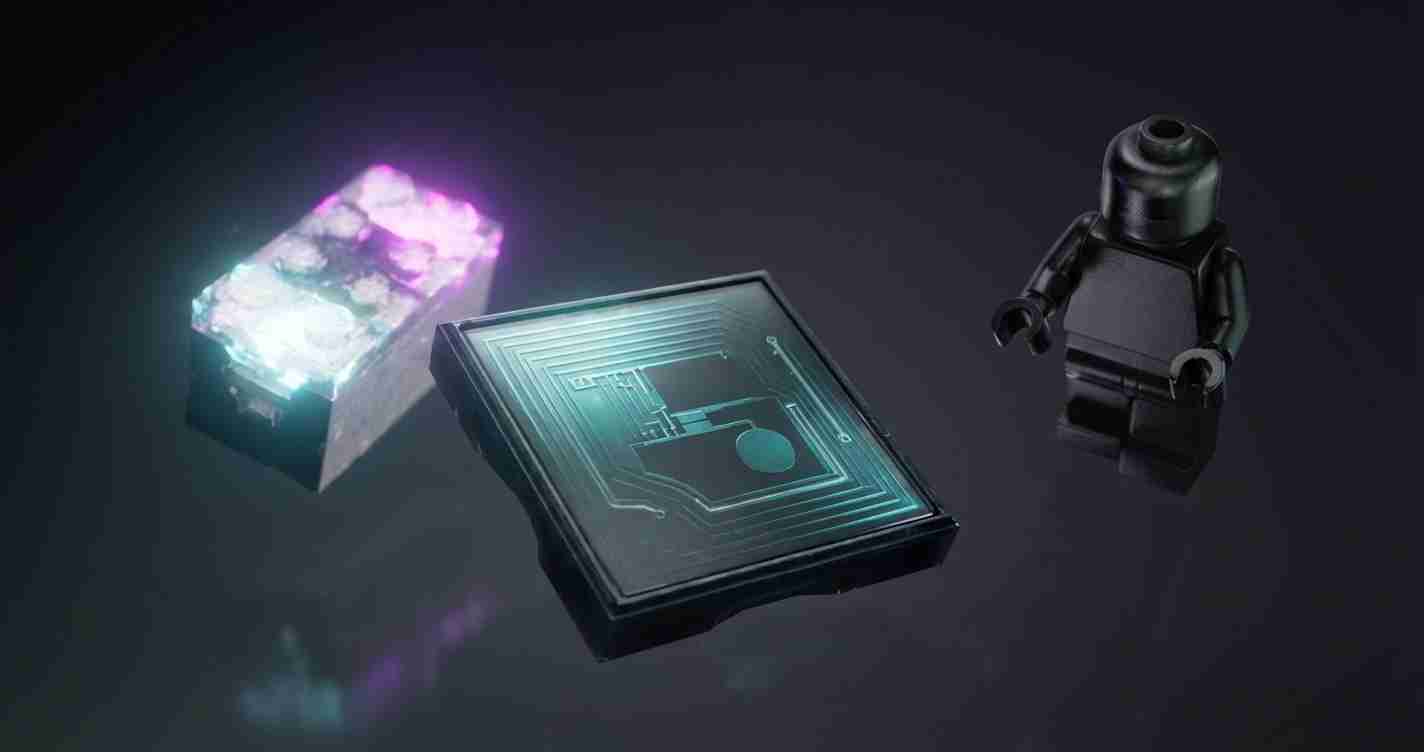
6) LEGO Smart Bricks — building blocks that sense and code
What it is: Programmable LEGO bricks with sensors, LEDs and Bluetooth that still work with standard LEGO sets.
Why it mattered: These bricks aim to bridge play and coding, letting kids build interactive projects with block‑coding tools. Reports called the idea a likely evolution beyond LEGO Boost/Spike kits—melding classic play with learning.
7) Autoliv foldable steering wheel — rethinking the car interior
What it is: A steering wheel that can fold or retract when a vehicle is in high‑automation mode, while keeping airbags and controls integrated.
Why it mattered: The concept shows how interiors might change as driver control becomes optional, balancing comfort with instant takeover safety. Autoliv presented the prototype during CES mobility exhibits and briefings.
8) TDM Neo Hybrid headphones — audiophile tech for real life
What it is: Headphones with hybrid drivers (dynamic plus balanced armature/planar) offering rich bass and detailed treble, adaptive ANC and head‑tracked spatial audio.
Why it mattered: The Neo Hybrid aimed to satisfy audiophiles without losing modern wireless convenience; its serviceable build also stood out against many sealed ANC rivals. Coverage is based on CES audio demos.
9) Jackery Solar Mars Bot — mobile solar + power station
What it is: A robotic platform that carries a Jackery battery and deployable solar panels, capable of repositioning itself to follow sun and supply AC/DC power.
Why it mattered: The Mars Bot targets camping, off‑grid work and disaster response—taking portable power into a more autonomous space. Jackery demoed navigation and solar deployment at CES.
10) Timeli personal safety device — small, discreet protection
What it is: A compact wearable or keychain device that can send emergency alerts with location, short audio and activity logs to chosen contacts.
Why it mattered: Timeli focused on ease of daily wear and subtle activation, getting attention in safety‑tech roundups for its practicality.
How these gadgets fit the bigger CES story
CES 2026 reinforced themes already forming in consumer tech: ultra‑thin, wireless displays and gallery‑style TVs dominated visual coverage (with LG’s Wallpaper W6 leading that trend) and smarter home robots moved from single‑task vacuums to multi‑role companions (Dreame Cyber X, LG CLOiD). Wearables leaned into privacy and usefulness rather than hype (SwitchBot MindClip), while mobility and safety concepts showed how cars and everyday life could change as automation spreads. These patterns were visible across press demos, product briefings and floor reporting.
“Design, AI and mobility combined at CES 2026 to push everyday tech toward quiet convenience and practical assistance.”
Sources and reporting notes
This roundup is based on CES 2026 floor reports, company briefings and press materials. Specific LG details are drawn from LG’s newsroom and CES pages and independent coverage noted below: LG newsroom, LG Canada CES page, LG CES pages, Engadget, What Hi‑Fi, and LG video. Other device descriptions are synthesized from CES demonstrations and vendor briefings on the show floor.
Implications for the United States
Economic impact
CES 2026 gadgets point to new consumer markets. A strong year for premium TVs, home robots and wearable AI could mean more U.S. imports, retail activity and tech jobs in design, software and support. Makers of home and outdoor power gear (like Jackery) may see growth in camping and emergency‑prep markets, boosting small business sales and distribution networks nationwide.
Political and regulatory consequences
Devices that collect personal data or move autonomously raise policy questions. Home robots with cameras and person recognition (LG CLOiD) and wearable AI devices (SwitchBot MindClip) will attract scrutiny over privacy rules and data storage. Foldable steering wheels and other automotive innovations will interact with federal and state safety standards and NHTSA review processes. Lawmakers and regulators may face pressure to update guidelines on AI inference, consent and vehicle automation.
Social effects
Practical safety wearables such as Timeli could change how people feel safe in public and during everyday travel. Smart grooming and LEGO Smart Bricks suggest tech will enter more household routines and children’s play, raising parental questions about screen time, skills training and affordable access.
Cultural relevance
The LG Wallpaper TV and similar design‑forward products reflect a demand for tech that blends into home decor. Products that prioritize quiet convenience—like Dreame Cyber X’s stair‑climbing promise—appeal to families and older Americans who value practical help over novelty. The popularity of connected, discrete safety devices may reflect public concerns about personal safety and privacy.
Practical applications for residents
Consumers should watch a few things before buying:
- Check privacy and data policies for devices with cameras or voice AI.
- For home robots, confirm battery life, warranty and whether stair‑climbing is fully supported across models.
- For big‑ticket items like the LG Wallpaper TV, measure walls and plan for professional installation for near‑wall mounting and the wireless connect box.
- For emergency planning, mobile solar platforms such as Jackery’s Mars Bot suggest new options for off‑grid power during storms and outages.
Bottom line: For buyers and policymakers alike, CES 2026’s top gadgets show rapid capability gains and clear tradeoffs. Innovations from the LG Wallpaper TV to the Dreame Cyber X combine design, AI and mobility in ways that will shape homes, roads and everyday routines across the United States.