Musk’s Boring Company fined nearly $500,000 as Nevada cites nearly 800 Vegas Loop violations
Nevada regulators cited nearly 800 violations tied to Elon Musk’s Boring Company during the Vegas Loop expansion, imposing close to $500,000 in penalties for environmental dumping, missed inspections, and unauthorized construction that delayed work and raised safety concerns.
- Nearly 800 violations were recorded by state and local regulators tied to the Vegas Loop expansion, according to ProPublica.
- Separate penalties: roughly $242,800 tied to state environmental permits and nearly $500,000 tied to illegal dumping of drilling fluids into city infrastructure (Clark County Public Health).
- Worker safety enforcement: Nevada OSHA previously assessed more than $112,000 after complaints about hazardous tunnel conditions (ProPublica).
Nature of the violations
Regulators cataloged a broad set of environmental and safety problems tied to the Boring Company’s tunneling work in Las Vegas. Inspectors reported:
- Dumping of tunneling and drilling fluids into manholes and other city infrastructure, and releasing untreated water onto streets (Clark County Public Health).
- Spills of tunneling “muck” from trucks onto public property and inadequate containment of waste.
- Beginning excavation and construction work without required state or local permits (ProPublica).
- Failure to perform or document nearly 700 required environmental inspections, and not hiring independent environmental managers to oversee compliance.
Fines and regulatory response
Local and state agencies initially tallied potential penalties that could have exceeded $3 million. After negotiations and adjustments:
- Nevada’s Division of Environmental Protection applied about $242,800 for violations tied to state permits.
- Clark County pursued a near-$500,000 fine specifically tied to illegal dumping of drilling fluids into manholes and the sewer system (Clark County Public Health).
- Nevada OSHA separately assessed more than $112,000 after worker complaints about unsafe conditions, including tunnels with ankle-deep water (ProPublica).
Beyond fines, regulators reserved the authority to order work stopped, placed holds on permit approvals, performed directed remediation, and conducted focused inspections—measures that contributed to delays on parts of the Vegas Loop.
Impact on Vegas Loop progress and worker safety
The enforcement actions and investigations produced concrete delays. Several construction activities were paused while agencies reviewed documentation or required fixes. Planned station openings were postponed as officials raised fire safety and other concerns.
Worker reports amplified oversight urgency: employees described chemical burns from waste materials and working in tunnels with standing water—accounts that helped prompt OSHA scrutiny and public attention (ProPublica).
Records, oversight questions and transparency
The case also raised questions about government transparency and record-keeping. Media reports indicate records of a meeting between the Boring Company and Nevada’s governor about OSHA violations vanished from public files, an episode that drew scrutiny (Benzinga; Fortune).
The Boring Company has at times sought lighter oversight, arguing its methods differ from traditional tunneling and that self-regulation is appropriate. Regulators and local officials have emphasized that permits, inspections, and independent oversight are necessary to protect public health and safety (ProPublica).
Project scale and policy stakes
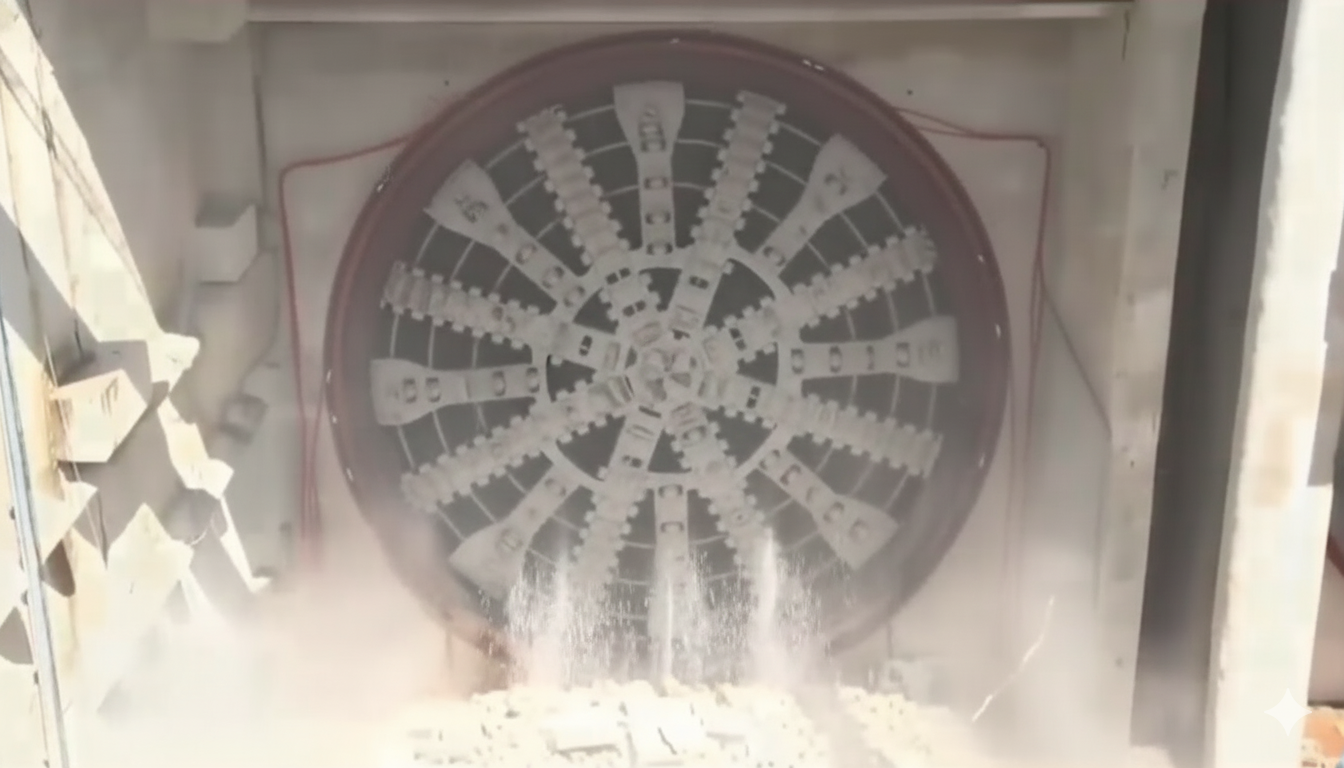
A project that began as a modest tunnel under the Las Vegas Convention Center has grown into plans for up to 68 miles of tunnels and more than 100 stations. That scale raises enforcement risks: small problems at one site can multiply across many locations if controls are weak.
For policymakers, the episode underlines the tension between encouraging private investment and protecting residents, workers, and infrastructure. Regulators signaled that legal and environmental requirements apply regardless of a firm’s speed or ambition.
Implications for United States of America
Economic and infrastructure implications
Oversight actions show how enforcement can affect large private infrastructure projects nationwide. While private projects can bring jobs and improved transit, fines and delays increase costs and may slow economic benefits.
Regulatory and legal precedent
Nevada’s multi-agency approach—environmental, county, and OSHA actions—could become a model for other states. Companies should expect coordinated reviews when public health or worker safety is at risk.
Public safety and workforce standards
Worker safety complaints and reported chemical injuries highlight the need for strict Occupational Safety and Health enforcement. Independent environmental and safety managers, regular inspections, and clear reporting can help protect workers and communities.
Political and regulatory balance
The case prompts a practical policy question: how to encourage innovation while enforcing baseline protections. Transparent permits, consistent inspections, and predictable penalties help create a level playing field.
Practical effects for other cities
Cities considering similar tunnel or transit projects should require early, enforceable agreements on inspections, environmental monitoring, and independent oversight to reduce the risk of pauses and legal disputes.
Sources and reporting
This article draws on reporting and documents from multiple outlets and public agencies, including:
- ProPublica investigation on violations and fines
- Clark County Public Health public notice on drilling fluid fines
- Benzinga coverage of missing meeting records
- Drive Tesla Canada summary of Clark County fines
- Fortune report on records and oversight questions
Reporting assembled from Times Media Service sources and independent reporting cited above.