
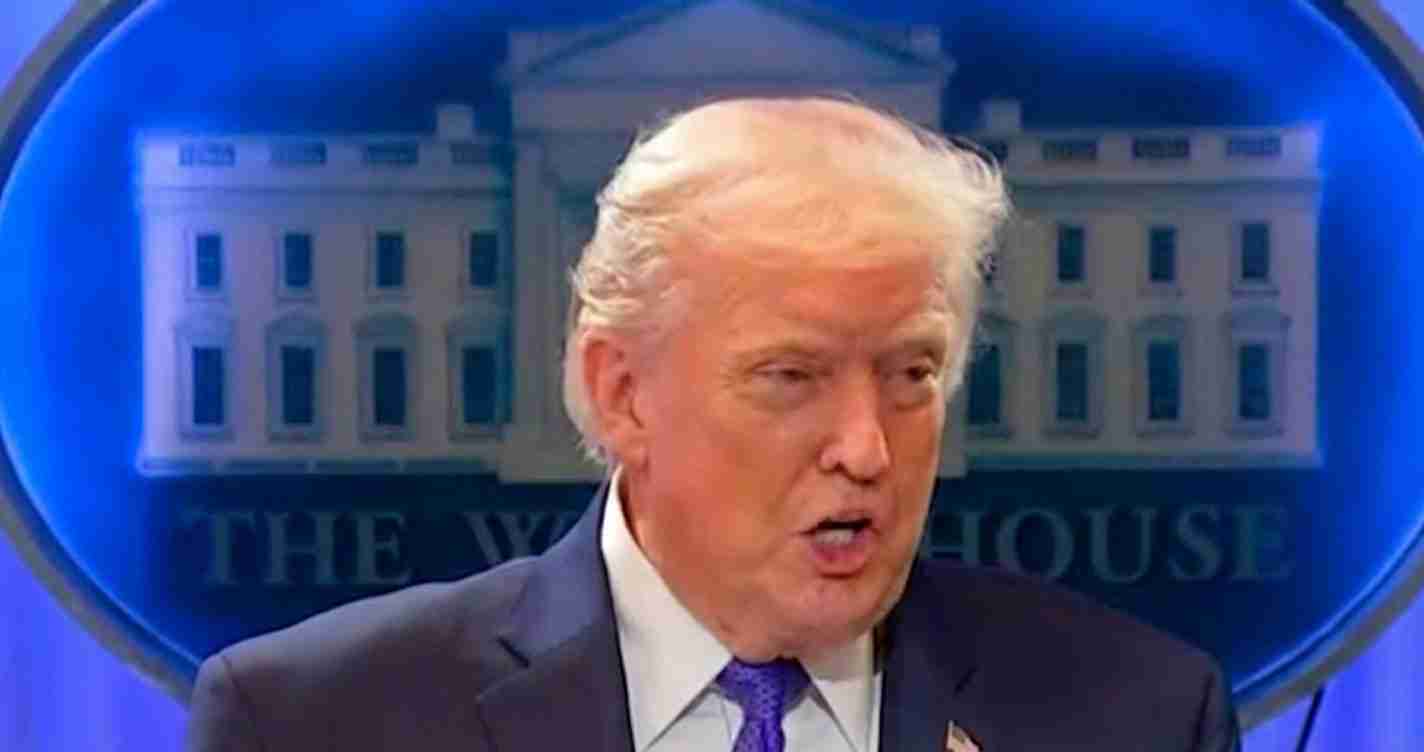
Trump lashes out at Supreme Court after 6-3 ruling on emergency tariffs, calls liberal justices “automatic no”
President Trump lashed out at the Supreme Court after a 6-3 decision that his administration exceeded emergency tariff authority, calling liberal justices “an automatic no” and praising conservative dissents while vowing new alternative tariff strategies.
Key takeaways
- The Supreme Court ruled 6-3 that the administration exceeded its authority imposing broad tariffs under emergency powers; the White House reaction was streamed on the White House livestream.
- Conservative dissenters—Justices Brett Kavanaugh, Clarence Thomas and Samuel Alito—were praised by the president; the administration highlighted a clip titled President Trump on the Supreme Court’s Tariff Decision.
- Trump attacked three liberal justices — Sonia Sotomayor, Elena Kagan and Ketanji Brown Jackson — calling them “an automatic no” and “a disgrace to our nation” during a press conference (full remarks on President Trump Delivers Remarks, Feb. 20, 2026).
- Administration promises alternatives and says it will still seek to bring in “hundreds of billions” of dollars via other trade or revenue measures.
Background on the ruling and what the court said
The Supreme Court issued a 6-3 decision rejecting the Trump administration’s use of emergency powers to impose broad tariffs. The White House livestream of the president’s reaction does not include the court’s full written opinion; legal analysts and the administration will now parse how the majority framed limits on executive emergency authority. See the full live stream at White House livestream and the short clip at President Trump on the Supreme Court’s Tariff Decision.
President’s remarks at the White House press conference
Hours after the ruling, President Trump used the White House podium to denounce the Court’s liberal justices and to applaud the conservative dissent. He said the three liberal justices were “an automatic no” who oppose anything “that makes America strong, healthy and great again,” calling them “frankly a disgrace to our nation.”
“No matter how good a case you have. It’s a no,” the president said, summarizing his view of the liberal justices’ voting pattern.
The administration posted the president’s full remarks and a focused clip. Watch the full event at President Trump Delivers Remarks, Feb. 20, 2026 and the shorter tariff clip at President Trump on the Supreme Court’s Tariff Decision.
What Kavanaugh’s dissent says (as described by the president)
At the press conference the president summarized Justice Kavanaugh’s dissent as arguing that presidents have “commonly” used tariffs to regulate imports and warning of “serious practical consequences” if the majority constrained that authority. Trump emphasized Kavanaugh’s point about potential refunds for tariffs already collected.
Note: the White House video contains the president’s description of the dissent; readers should consult the published dissent text once the Court releases its opinions publicly. See the administration’s clip at President Trump on the Supreme Court’s Tariff Decision.
Legal and policy implications
Legal scholars and policymakers will focus on how the majority defined the limits of emergency power and whether the ruling requires refunds for tariffs already collected. If the Court’s majority narrows executive authority over trade, future presidents may need congressional approval or will have to rely on narrower statutory authorities.
Key questions to watch:
- How the majority frames the statutory or constitutional limits on emergency tariff authority.
- Whether refund obligations for past collections are required and how that would affect federal receipts and businesses.
- Whether Congress will move to clarify trade authority or pass new statute-based tools.
Trump’s economic argument and proposed alternatives
Tariffs imposed under emergency orders were central to the administration’s trade policy. After the Court’s decision, Trump said the administration has “alternatives” and promised it would still take in “hundreds of billions” of dollars via options such as negotiated trade deals, traditional tariffs enacted through legislation, or other revenue measures. The administration did not specify which alternatives it would use during the press conference; see the relevant remarks at President Trump on the Supreme Court’s Tariff Decision.
Rhetoric, politics and the court
Trump framed the decision as political and predictable, drawing a direct comparison between the Court’s liberal justices and opposition lawmakers. His public praise for the dissenting conservatives underscores how high-profile rulings shape partisan views of the Court and may deepen public debate about judicial impartiality. Broadly, the exchange highlights increased scrutiny of the Court’s role in separation-of-powers disputes.
Available coverage and how to watch the remarks
The White House streamed the full nearly 73-minute remarks on its White House livestream and on its YouTube channel (White House YouTube live). Broadcasters including CNBC and PBS NewsHour carried live coverage and commentary.
Implications for United States
Economic impact
If the Court curtails executive emergency tariff power, the federal government may need to rely on Congress or narrower authorities for trade restrictions. Questions about refunds could affect federal receipts and businesses that paid duties; industry groups and importers will watch for guidance.
Political consequences
The president’s sharp attack on three liberal justices and praise for dissenting conservatives will intensify partisan debate. Conservatives may view the decision as a legal setback; supporters of separation of powers may see it as reasserting congressional authority.
Social effects and cultural relevance
Households and businesses concerned about imports, manufacturing, or prices will monitor policy responses. The exchange highlights a broader national debate over executive power versus constitutional limits and will likely deepen public discussion about judicial impartiality.
Practical applications for residents and businesses
Individuals and businesses should monitor guidance from Treasury, Commerce and U.S. Customs for notices about tariff refunds, new import duty procedures, or alternative measures. Importers may need to adjust pricing, contracts and cash management if refunds or retroactive adjustments are ordered.
Sources and coverage
- White House live stream: “President Trump Delivers Remarks, Feb. 20, 2026”
- White House video: “President Trump on the Supreme Court’s Tariff Decision”
- White House video: “President Trump Delivers Remarks, Feb. 20, 2026”
- CNBC Television coverage: “Trump speaks after Supreme Court strikes down tariffs — 2/20/2026”
- PBS NewsHour live coverage: “Trump holds news conference after Supreme Court…”
Reporting draws from White House videos and live streams of the Feb. 20, 2026 remarks and broadcast coverage listed above.



