
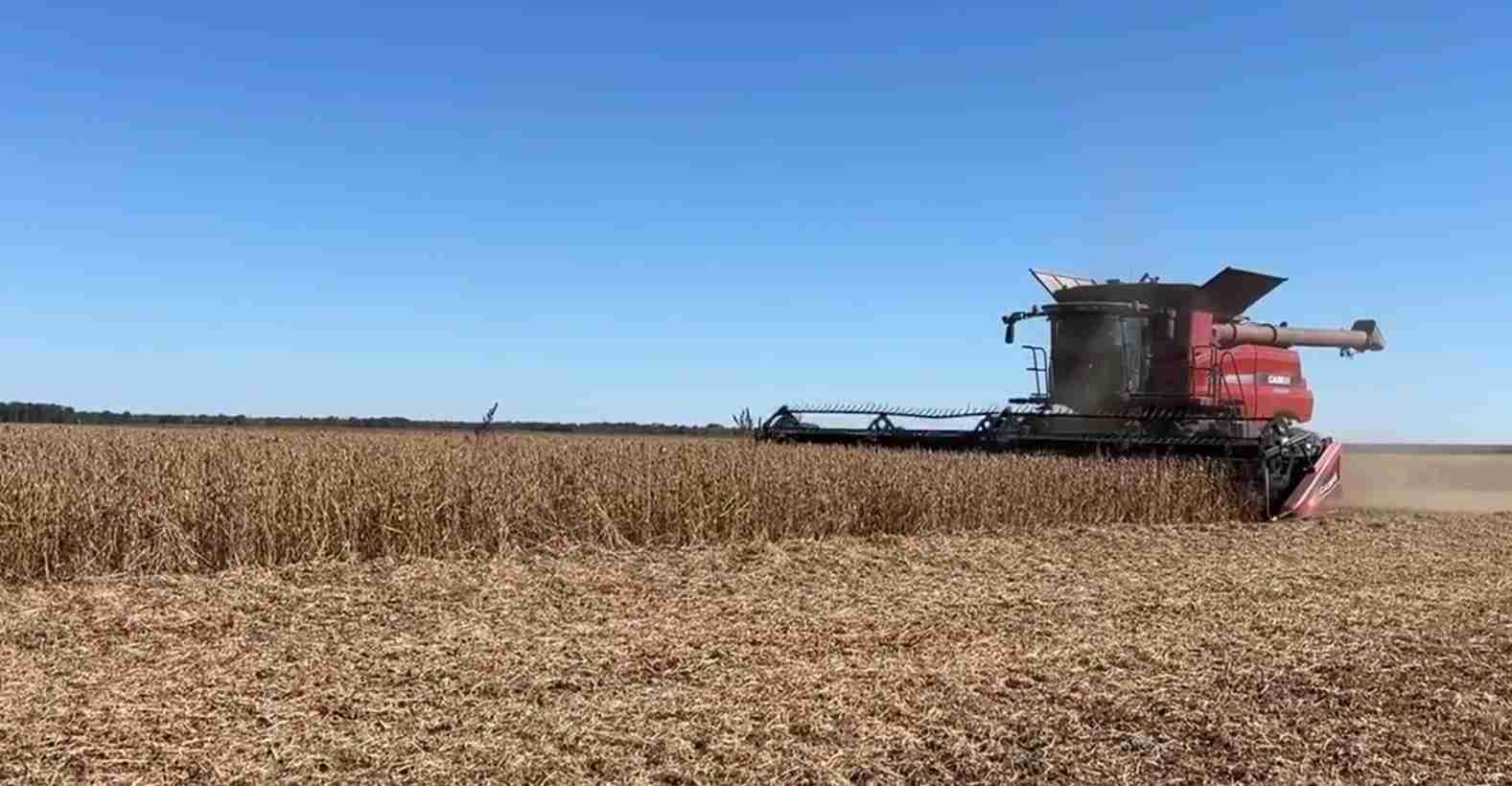
Trump Calls China’s Soybean Cuts “Economically Hostile,” Threatens Trade Retaliation Over Cooking Oil
President Donald Trump condemned China’s reduced soybean purchases as an “economically hostile” act against U.S. farmers and warned of trade retaliation, including potentially ending cooking oil imports from China — an escalation that risks reshaping global agricultural supply chains.
Key takeaways
- Trump labeled China’s cuts an “Economically Hostile Act”, saying the move targets U.S. farmers (source: Fox Business).
- Retaliation floated: Trump suggested ending imports of certain Chinese goods, including cooking oil, arguing U.S. producers could supply them domestically (source: Fox Business).
- Long-term risk: Industry groups warn losing market share in China may produce persistent damage to U.S. soybean exporters and supply-chain positioning (source: Fox Business).
- Supply-chain shift: China’s move toward South American suppliers could create durable advantages for Brazil and Argentina, complicating U.S. recovery efforts (source: Fox Business).
Background: China, soybeans and shifting markets
China is the world’s largest soybean buyer and has exerted outsized influence on global markets. Over the past five years, China imported roughly 61% of globally traded soybeans (source: Fox Business).
Historically, the U.S. supplied a large share. Before the 2018 tariffs the U.S. exported about 28% of its soybean crop to China on average. After the trade dispute and retaliatory tariffs that share fell to 11% in 2018–19, rebounded during the pandemic to about 31% in 2020–21, and was near 22% in 2023–24 (source: Fox Business).
Market shift to South America
When tariffs were first imposed, importers moved purchases to South America, especially Brazil and Argentina. That shift gave South American farmers long-term market access and a competitive advantage — a structural change U.S. producers now say may be difficult to reverse (source: Fox Business).
Impact on American soybean farmers
American soybean farmers are facing immediate pressure from reduced Chinese demand. Producers dependent on exports report tighter margins, rising debt stress, and elevated risk for younger or rented-land operators.
“It has a huge impact on our business and our bottom line,” said Brad Arnold, a Missouri soybean farmer, describing China’s pullback (source: Fox Business).
The American Soybean Association notes that short-term aid can help, but payments cannot replace lost customers in international markets (source: Fox Business).
Trump’s retaliation talk: cooking oil and beyond
In posts and public comments, Trump framed China’s soybean reductions as a deliberate strategy to “draw a wedge” between the U.S. and other producers and to weaken American farmers. As a potential countermeasure, he suggested ending certain imports from China — notably cooking oil — arguing the U.S. could produce those goods domestically (source: Fox Business).
Practical hurdles: Experts point out legal and logistical barriers to banning or heavily restricting a broad trade category. Cooking oil imports may be embedded in blended products and industrial inputs, and abrupt limits could disrupt American food processors, retailers, and ingredient chains.
Broader trade context and historical parallels
This episode forms part of a years-long tug-of-war over tariffs, technology, and trade practices. During Trump’s first term, tariffs were used to pressure China and the administration provided billions in farm relief as temporary mitigation. Economists and farm groups caution that direct payments offer short-term relief but do not replace sustained market access (source: Fox Business).
If China permanently favors South American suppliers, rebuilding U.S. share will require sustained diplomacy, competitive pricing, and possibly incentives for importers — all difficult amid geopolitical tension.
What farmers and industry groups are asking for
Industry leaders want renewed diplomatic engagement and a combined approach of short-term relief plus long-term export promotion:
- Trade talks with China to restore market access;
- Export promotion and incentives for importers;
- Investment in domestic processing capacity to make U.S. soy more competitive;
- Clear White House guidance on whether retaliation is rhetorical or policy-driven (source: Fox Business).
Implications for United States
Economic impact
Farmers and rural economies could face lower incomes and higher loan stress without returning Chinese demand. Reduced exports can hurt grain elevators, trucking, input suppliers, and local businesses. If cooking oil imports are restricted, some food processors could face higher input costs and potential consumer price increases.
Political consequences
Trade action aimed at protecting soybean farmers may resonate in key farm states and with voters who prioritize domestic industry. Conversely, aggressive measures risk escalation with China and could prompt reciprocal actions affecting other U.S. exporters and manufacturers.
Social effects
Rural communities reliant on farming incomes could face higher unemployment and out-migration if revenues fall and aid is insufficient. Younger farmers with operating loans and rented land are especially vulnerable, potentially accelerating consolidation in the farm sector.
Cultural relevance
Farming communities view access to overseas markets as central to livelihoods and identity. Policies perceived as protecting those markets will appeal to voters who value traditional industries and self-reliance.
Practical applications for residents and businesses
- Farmers should monitor market signals and federal guidance, consider crop diversification, domestic processing options, or financial counseling;
- Food manufacturers and retailers should assess supplier footprints and inventories to prepare for disruptions or price shifts;
- State and local policymakers may need targeted support programs — loan relief, workforce development, and processing investments — to boost resilience.
Sources and further reading
Fox Business: “Trump calls China soybean cuts ‘economically hostile’ act against American farmers nationwide”



