
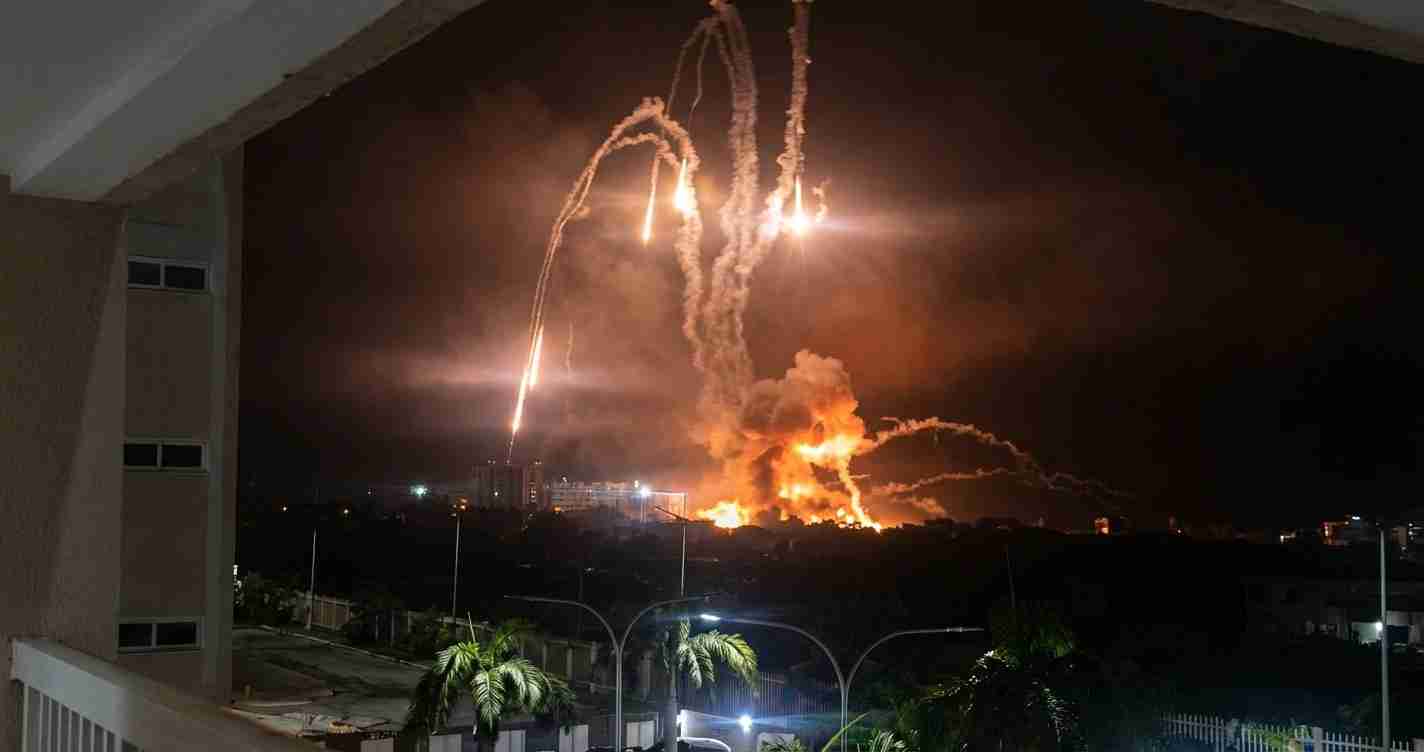
Trump says US carried out “large‑scale” strike in Venezuela, claims Maduro and wife captured; FAA bans flights
President Donald Trump announced on Truth Social that U.S. forces executed a “large‑scale” strike in Venezuela, claiming Nicolás Maduro and his wife were captured and flown to the United States for trial; the FAA has banned U.S. commercial flights over Venezuela.
Key takeaways
- Trump posted that Maduro and his wife were captured and taken to the U.S. to face criminal charges — claims currently based on the president’s public posts and interview (source).
- The Federal Aviation Administration issued a ban on U.S. commercial flights over Venezuela, citing reported military activity (source).
- Venezuelan authorities have not confirmed the capture; Vice President Delcy Rodríguez asked for proof of life while state institutions appear to be functioning (source).
What Trump said and where the claims came from
President Trump posted on Truth Social that U.S. forces had carried out a “large‑scale” strike in Venezuela and that President Nicolás Maduro and his wife were captured and flown to the United States to face trial on criminal charges. He described the action as “brilliant” and framed it as law enforcement rather than an act of war. Trump also gave a short phone interview to the New York Times and said he would provide further details at a Mar‑a‑Lago press conference scheduled for January 3, 2026 (source).
These claims currently rest largely on the president’s posts and public statements. There is no independent public verification from U.S. agencies, Venezuelan officials, or international news organizations that confirms Maduro is in U.S. custody (source).
Venezuelan government response
Venezuelan Vice President Delcy Rodríguez addressed the nation in an audio message broadcast on state television, saying the government remains in charge and asking for proof of life for both Maduro and the first lady. State institutions and key ministries appeared to continue functioning under Rodríguez’s direction, with no immediate signs that the government had collapsed (source).
International reporting and context
News outlets noted the unusual timing: Maduro had recently offered to open talks with the United States on drug trafficking, a move some described as unexpected prior to the reported operation. International reporting called the situation “unprecedented” and raised questions about the rationale for an operation when talks appeared possible. Observers point to significant unanswered questions about planning, authorization, and the regional implications (source).
FAA flight ban and immediate safety measures
The Federal Aviation Administration announced a ban on U.S. commercial flights over Venezuelan airspace early Saturday, citing reported military activity. The directive restricts U.S. carriers from operating over the country and is a routine safety step when hostile operations are reported. The FAA did not publish public evidence tied to the alleged strike beyond the flight restriction notice, which aims to protect airlines and passengers (source).
Legal, political and military questions
If the president’s account is accurate, it raises complex legal and diplomatic issues. Moving a foreign head of state to the United States for trial would involve jurisdictional, treaty, and international‑law concerns. Trump said he would address congressional authorization and next steps at his January 3 press conference, signaling he intends to present a legal and political rationale (source).
Experts and lawmakers are likely to demand documentation of legal authority, a clear accounting of how the operation unfolded, and assessment of risks to U.S. personnel and regional stability. The possibility of targeting a sitting head of state — even under law enforcement framing — will prompt scrutiny from allies, the State Department, and legal scholars.
What’s not verified
Independent confirmation remains limited. Beyond the president’s statements and related reporting, there are no public records from the U.S. government, Venezuelan authorities, or international monitors that verify Maduro’s capture or his transport to the United States. The Venezuelan government’s request for proof of life highlights core unresolved facts (source).
Implications for the United States
Economic impact
Energy markets
Venezuela is an oil‑producing nation; any military action or instability can push oil prices higher, potentially raising pump prices and influencing inflation measures if regional shipping or sanctions are affected.
Trade and airlines
The FAA flight ban halted U.S. commercial flights over Venezuela. Airlines may reroute, extend flight times, and face higher fuel costs, affecting fares and schedules for routes that normally cross Caribbean or northern South American airspace (source).
Political consequences
- Congressional oversight — Questions about authorization of force, transparency, and the War Powers process will likely follow.
- 2026 election politics — The timing may shape debates about national security, executive power, and campaign narratives.
Social effects
- Migration and border pressure — Instability in Venezuela could spur migration to neighboring countries, indirectly increasing pressures on the U.S. southern border.
- Public safety and perception — Venezuelan‑American communities will closely follow developments for family and human‑rights concerns.
Practical applications for citizens and institutions
- Travelers: Follow FAA notices and State Department advisories. Airlines will publish routing changes and cancellations as needed (source).
- Policymakers: Demand full briefings on legal authority, intelligence, and contingency plans for hemispheric fallout.
- Businesses: Energy and shipping firms should assess exposure to price swings and consider hedging or contingency logistics.
Reporting notes and sources
This article is based on public statements by President Donald Trump on Truth Social, a brief phone interview cited by the president, the FAA notice restricting U.S. commercial flights over Venezuela, and televised statements from Venezuelan Vice President Delcy Rodríguez. Much of the initial public reporting and clips are aggregated in broadcast and video summaries available here: video source. At the time of publication, independent verification from U.S. agencies, Venezuelan authorities, or international monitors of Maduro’s custody or transport to the United States was not available (source).
Journalists will continue to seek on‑the‑ground confirmation, official documents, and international comment as the story develops. President Trump’s Mar‑a‑Lago briefing on January 3, 2026, will be a focal point for additional public information and claims from the administration (source).



