California leaders prepare backup plans as US withdraws from WHO; state eyes direct ties to global disease networks
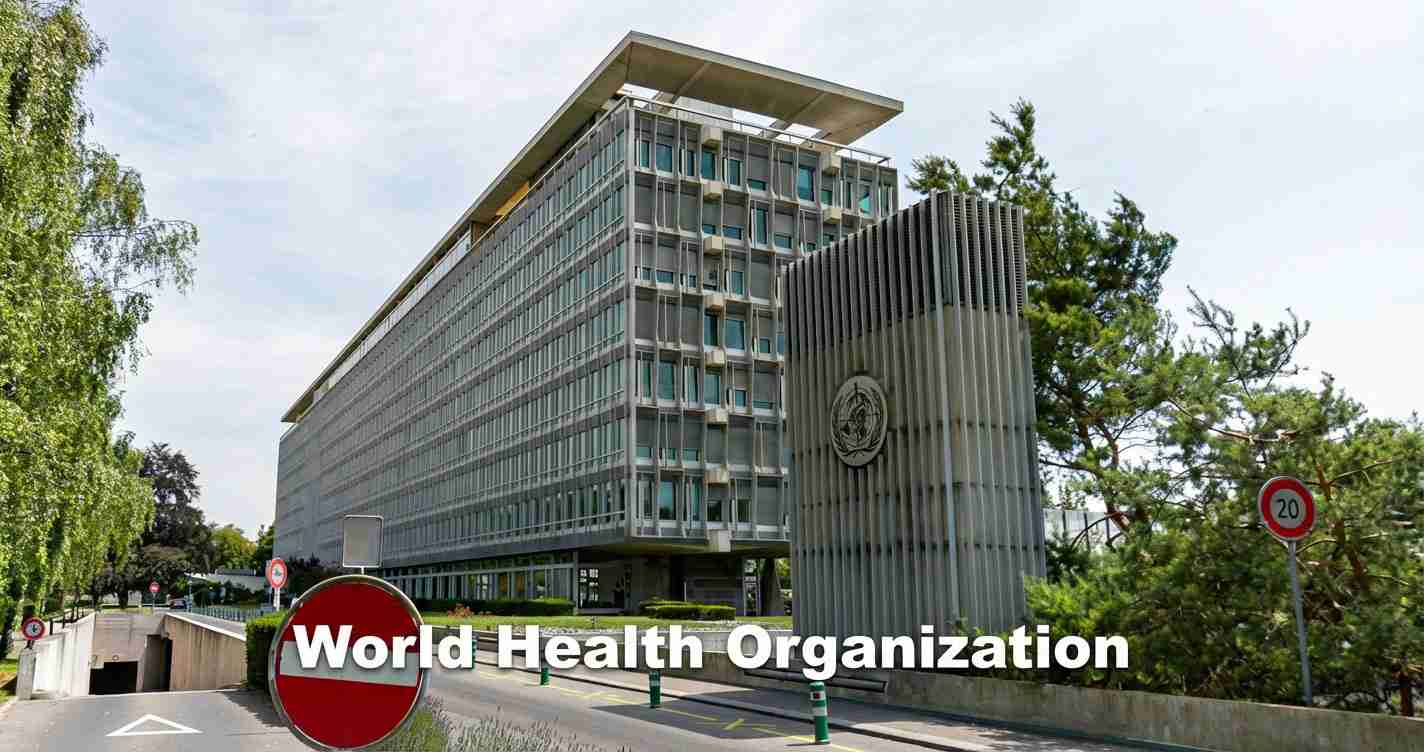
The United States completed its withdrawal from the World Health Organization on Jan. 22, 2026, ending U.S. funding and participation after a one‑year notice initiated by President Trump’s Jan. 20, 2025 executive order, and prompting state leaders to plan alternatives.
Key takeaways
- The US formally left the WHO on Jan. 22, 2026, ending funding, membership and staff participation after a one‑year notice. (ABC7, ABC News)
- Technical networks disrupted: US roles in WHO technical groups, including the Global Influenza Surveillance and Response System (GISRS), will end.
- Administration strategy: Officials say the US will pursue bilateral surveillance agreements and not remain an observer. (White House fact sheet)
- California response: Gov. Gavin Newsom is exploring direct links to global disease‑tracking networks, though no formal state plan was found in public records.
Main coverage
What happened: timeline and process
Executive Order 14155, signed Jan. 20, 2025, initiated the formal one‑year withdrawal process under WHO bylaws. The deadline of Jan. 22, 2026 was met and the administration announced immediate termination of U.S. funding and participation. Federal agencies say U.S. staff in Geneva and other WHO offices will be recalled and engagements suspended. Sources include ABC7, the CDC, and HHS.
Debt dispute and legal questions
WHO bylaws require dues payment during the notice year. Reporting shows a disputed balance for 2024–2025 assessed contributions in the range of $133 million to $278 million; U.S. officials deny owing the amount. Legal scholars note questions about treaty and congressional roles in terminating membership, an issue likely to spur debate in Congress and the courts. (Sources: ABC7; CIDRAP.)
Why the administration withdrew
Officials at the Department of Health and Human Services and the State Department accused the WHO of straying from its mission during COVID‑19, delaying emergency declarations, reversing guidance on airborne transmission and of political influence—citing concerns about independence and influence from China. The administration argued the U.S. should negotiate directly with other countries about surveillance and health priorities. (See ABC News.)
Federal plans for disease surveillance
The administration says it will pursue bilateral and multilateral agreements outside the WHO framework. The White House fact sheet and State Department statements indicate the U.S. Health and State Departments will work directly with partner countries and private organizations to track threats rather than through WHO channels.
Public health experts raise alarms
Scientific and public health leaders warn of risks. They say the exit could slow U.S. access to early outbreak data, shared lab resources and cooperative systems used for seasonal flu vaccine strain selection. “Risky for flu vaccine planning and for detecting threats such as Ebola,” said Infectious Diseases Society of America President Ronald Nahass. Georgetown public health law scholar Lawrence Gostin noted potential legal and practical damage to global responses. (Reporting: ABC News; CIDRAP.)
WHO reaction
The World Health Organization said it regrets the move and warned global health security will be weakened. WHO defended its handling of COVID‑19 and said it will raise the matter at the Executive Board in February 2026 and at the World Health Assembly in May, noting the decision makes both the U.S. and other countries less safe.
California response and state action questions
News reports indicate Gov. Gavin Newsom is exploring ways for California to link directly to global disease‑tracking networks to protect nearly 39 million residents. However, searches of public records and official statements did not find confirmed, detailed California plans to join WHO networks independently. No state press release or federal filing reviewed lays out a formal California-run agreement with WHO networks. When federal participation in GISRS and other WHO technical groups ends, states and local public health agencies will face gaps in raw data and coordination they may need to fill. (Federal withdrawal sources: CDC; HHS.)
What experts say states can do
Public health experts advise that states can:
- Strengthen surveillance systems and expand genomic sequencing capacity.
- Expand lab capacity and invest in standardized data pipelines.
- Forge direct partnerships with foreign health agencies, academic institutions and private labs to obtain raw data on emerging pathogens.
Experts caution these are partial fixes: centralizing and standardizing data-sharing is complex and likely less efficient than the broader WHO-run systems. (See analysis from CIDRAP.)
Why the move matters: access to early outbreak data & implications
A central concern is access to early warning. WHO collects and verifies reports from countries, runs lab networks, and coordinates resource deployment. Without participation, officials worry the U.S. could see delays in detection, fewer data on new strains, and complications in coordinated vaccine planning—affecting federal and state responses and the speed of countermeasure development and distribution. (Sources: CDC; CIDRAP.)
Global health impact
Public health organizations warn that U.S. withdrawal weakens global disease detection and response. Many international partners expect a patchwork of bilateral deals rather than a single coordinated global system, which could create gaps where outbreaks spread before being widely recognized. The WHO has pledged to raise the issue at upcoming executive meetings. (See WHO statement: WHO.)
Reporting note and sources
This article draws on federal and international statements and reporting by network outlets and public health research organizations including HHS, the CDC, the WHO, ABC News, ABC7, CIDRAP, the State Department, and the White House.
Quote: “The decision makes both the United States and other countries less safe,” the WHO said, underscoring the global implications of the withdrawal.
For policy makers and public health leaders: consider immediate investments in sequencing, lab networks and bilateral agreements while acknowledging these will be partial and costly substitutes for multilateral systems.