
Trump administration bars five Europeans in move billed as fight against “extraterritorial censorship”
The Trump administration has barred five prominent Europeans, including former EU commissioner Thierry Breton, from receiving US visas under a new policy, accusing them of promoting “extraterritorial censorship” that pressures American platforms to remove lawful speech.
- US visa bans target five European figures and their immediate families under a May policy aimed at those judged to censor Americans.
- Targets include regulators and NGO leaders connected to the EU’s Digital Services Act (DSA) and organizations fighting disinformation and hate.
- Washington cites pressure on US platforms to downrank or remove lawful speech; Europeans call the move politically motivated and extraterritorial.
- Implications span diplomatic tensions, industry compliance challenges, and potential chilling of transatlantic cooperation on platform safety.
What happened
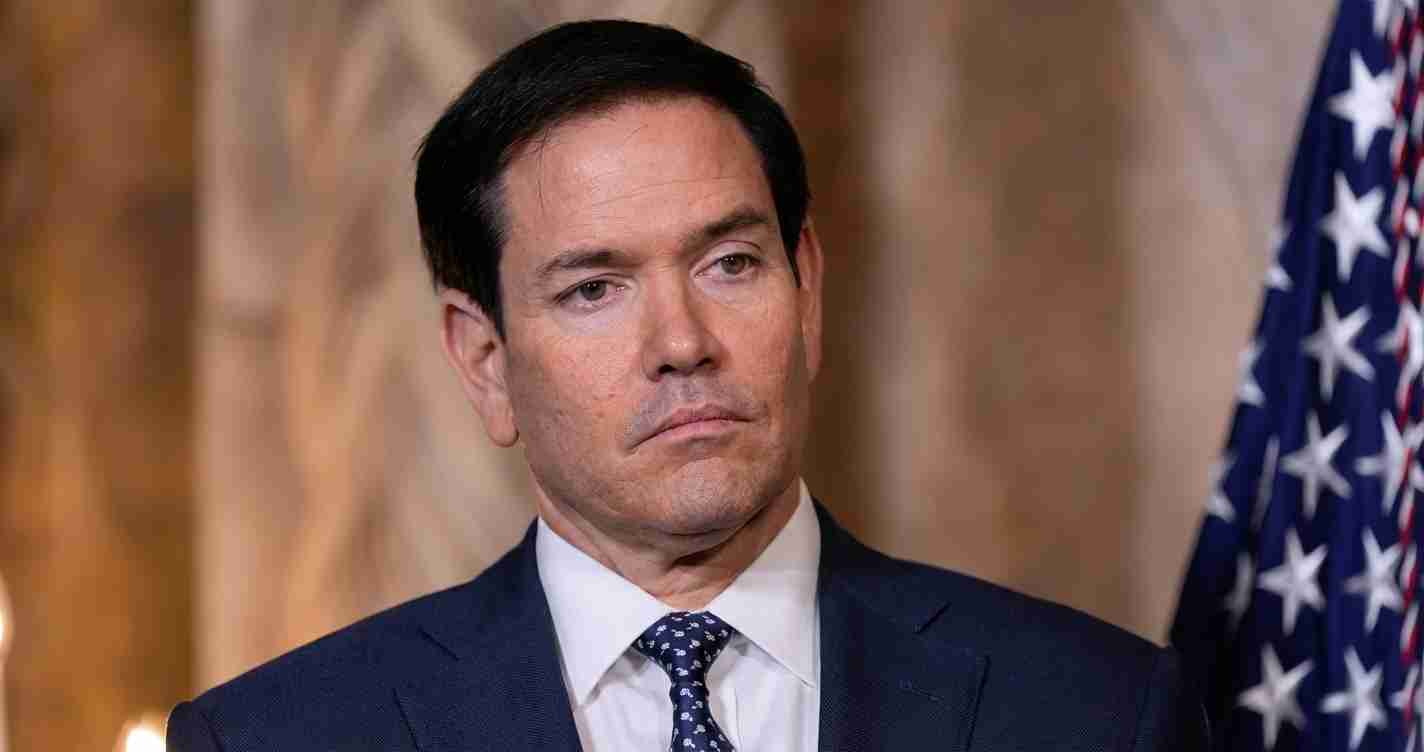
In a move announced by Secretary of State Marco Rubio and Under Secretary for Public Diplomacy Sarah Rogers, the State Department invoked a May visa rule to bar five Europeans and their immediate families from US entry. Officials said the policy targets foreigners “responsible for censorship of Americans” and aimed to confront what they described as a “global censorship‑industrial complex.”
Who was barred — the five named
US officials named five individuals tied to EU regulation and NGOs that study or fight online harm. Sources reporting the story include Le Monde and Euronews.
- Thierry Breton — former EU Commissioner for the Internal Market and a central architect of the EU’s Digital Services Act. (Le Monde, Euronews)
- Imran Ahmed — chief executive of the Center for Countering Digital Hate (CCDH). (Euronews, Le Monde)
- Clare Melford — leader of the Global Disinformation Index (GDI). (Le Monde, Euronews)
- Anna‑Lena von Hodenberg — executive director of Germany‑based HateAid. (Euronews, Le Monde)
- Josephine Ballon — co‑founder and senior leader at HateAid. (Le Monde, Euronews)
Why the administration acted
Officials said the action relies on the May visa rule that allows restrictions for foreign persons judged to be involved in censoring Americans or pressuring US platforms to limit lawful speech. Rubio and Rogers argued the five “have led organised efforts to coerce American platforms to censor, demonetise, and suppress American viewpoints they oppose,” and warned the United States will not tolerate “egregious acts of extraterritorial censorship.”
DSA, letters and cited examples
Officials singled out the EU’s Digital Services Act (DSA) as central to the dispute, saying that European rules and NGO pressure can push US platforms to remove or downrank content lawful in the United States. They cited Thierry Breton’s August 2024 letter to Elon Musk — which reminded X of its DSA obligations and mentioned formal proceedings — as an example of European pressure affecting an American platform. Sources covering these developments include Le Monde and Euronews.
NGOs targeted and their work
The four NGO leaders are affiliated with groups that research and combat online hate and disinformation:
- Center for Countering Digital Hate (CCDH) — researches harmful accounts and publishes reports naming those it deems problematic.
- Global Disinformation Index (GDI) — issues risk ratings that can influence advertiser behavior.
- HateAid — provides legal support for victims of online abuse and campaigns for enforcement against hate.
US officials say these activities can indirectly pressure platforms and advertisers to punish lawful American speech. The NGOs reject that characterization and say their work protects users and democratic debate. (Le Monde, Euronews).
The DSA fines and diplomatic tensions
Tensions escalated after the European Commission fined X €120 million in early December for alleged DSA violations tied to transparency rules. US officials, including Rubio, called the fine an “attack on all American tech platforms and the American people by foreign governments,” which further strained ties. Brussels maintains the DSA governs operations in the EU market and is not intended to regulate US speech. (Le Monde).
European response
Thierry Breton called the visa bans a political witch hunt, noting broad support in the European Parliament and member states for the DSA. France’s Foreign Minister Jean‑Noël Barrot said France “strongly condemns” the restrictions and insisted the DSA has no extraterritorial scope. France’s Minister Delegate for European Affairs Benjamin Haddad called the US action unacceptable and defended EU rule of law. European officials maintain any effect on US discourse is incidental and part of the DSA’s aim to protect the EU single market. (Euronews, Le Monde).
US domestic reaction and concerns
Some US groups working on disinformation expressed alarm. The International Fact‑Checking Network said it was “deeply concerned” about the visa policy’s use against people whose work focuses on content moderation and disinformation. Critics warn the move could politicize visa rules, chill international cooperation on platform transparency, and mark a shift from prior US support for transatlantic work on online safety. (Le Monde).
Political context: a broader free‑speech clash
The bans fit a wider rhetorical and policy shift under the Trump administration. Vice President JD Vance and other officials have criticized European digital rules, arguing at venues such as the Munich Security Conference that freedom of expression has waned in Europe. Administration voices frame EU disinformation and hate‑speech laws as at odds with American First Amendment norms, especially when those rules are perceived to influence US platforms. (Euronews, Le Monde).
Implications for the United States
- Political and legal stakes: The action signals a tougher US posture on perceived foreign influence over online speech and raises debate about when diplomatic tools should be used to defend First Amendment norms.
- Tech industry impact: US platforms may face intensified pressure to resist foreign rules or face political blowback, complicating global compliance strategies.
- International cooperation: The bans risk chilling collaboration between US and European researchers, NGOs, and regulators on disinformation and platform safety.
- Legal precedent: The May visa rule broadens executive discretion on entry and will draw scrutiny from legal experts and civil society about its long‑term use.
Officials said Washington will not tolerate “egregious acts of extraterritorial censorship” and described the measures as necessary to protect lawful American speech.
Reporting note
This article draws on State Department statements and reporting from Le Monde and Euronews. Key sources: Le Monde; Euronews.



